
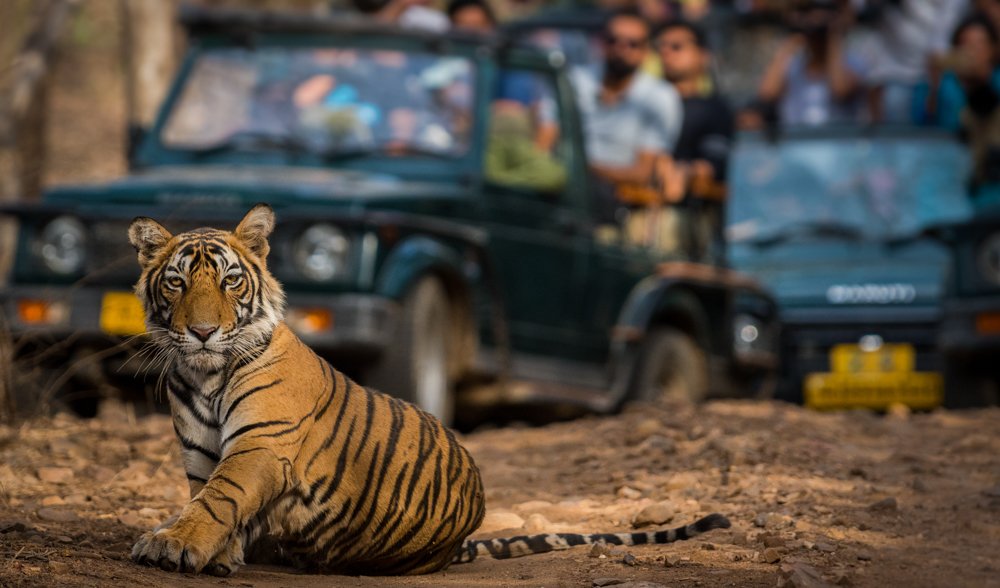
Ranthambore National Park stands as a testament to India’s successful wildlife conservation efforts, offering a raw and unfiltered glimpse into the lives of the majestic Royal Bengal Tiger. For travelers planning a jaipur to ranthambore tour, the transition from the “Pink City’s” urban splendor to the rugged deciduous forests of Sawai Madhopur is a journey into a different era. The park is unique not just for its predator population but for its historical backdrop, where ancient ruins and crumbling cenotaphs provide a dramatic stage for the wild. It is a place where nature and history have reached a silent agreement, allowing the jungle to reclaim stone structures while providing a sanctuary for some of the world’s most photographed big cats.
The Geography of a Predator’s Paradise
The landscape of Ranthambore is characterized by the confluence of the Vindhya and Aravalli hill ranges. This topographical meeting point creates a diverse ecosystem consisting of steep cliffs, sprawling grasslands, and massive lakes like Padam Talao and Raj Bagh. Such variety in terrain is essential for a healthy tiger population, providing both high-ground vantage points and lush valleys for stalking prey. Navigating through the various gates requires a strategic approach, as each Ranthambore safari zone offers a distinct atmosphere and different probabilities of sightings based on the movement of resident tigers and their cubs. The presence of the 10th-century Ranthambore Fort overlooking the forest adds an authoritative sense of time, reminding every visitor that they are walking through a land that has been protected by both kings and conservationists for centuries.
Encountering the Royal Bengal Tiger
What sets this park apart from other reserves in India is the diurnal nature of its tigers. Unlike many nocturnal predators, the tigers here have become accustomed to the presence of safari vehicles, often patrolling their territories or resting by water bodies in broad daylight. This behavior allows for an unparalleled level of observation, where one can witness the intricate social dynamics of these solitary hunters. From the legendary tales of Machli, the “Queen Mother of Tigers,” to the current dominant males, the lineage of Ranthambore’s big cats is documented with scientific precision. This wealth of expertise shared by local naturalists and guides ensures that every safari is not just a ride through the woods, but an educational masterclass in forest ecology and animal behavior.
Beyond the Stripes: Biodiversity and Birdlife
While the tiger is undoubtedly the protagonist of the Ranthambore story, the supporting cast is equally fascinating. The park is home to a significant population of leopards, which often occupy the higher rocky outcrops to avoid conflict with their larger feline cousins. Sloth bears, striped hyenas, and caracals also roam these woods, though they are much more elusive. For bird enthusiasts, the lakes act as a magnet for both resident and migratory species. You might spot the Crested Serpent Eagle perched high on a Dhok tree or watch the Bronze-winged Jacana skip across the lotus leaves of the Great Lake. The sheer density of life here reinforces why choosing a reputable resort in ranthambore is vital for those who wish to stay close to the heartbeat of the wilderness while enjoying expert-led excursions.
The Importance of Sustainable Tourism
As Ranthambore grows in popularity, the focus on sustainable and ethical tourism has never been more critical. The forest department strictly regulates vehicle entry and pathing to minimize human impact on the environment. Trustworthy travel involves respecting these boundaries—staying on designated tracks, maintaining silence during sightings, and supporting local communities that live on the fringes of the park. Many local lodges and guides have spent decades studying the movements of the wildlife, and their insights provide a layer of expertise that no guidebook can replicate. By choosing authorized operators and staying informed about the park’s conservation status, visitors contribute directly to the funds required for anti-poaching squads and habitat restoration projects.
Planning Your Wilderness Retreat
The best time to visit this tiger haven is between October and June, when the weather allows for comfortable morning and afternoon drives. During the peak summer months of April to June, the thinning vegetation and drying water holes actually increase the chances of sightings, as animals are forced to congregate around the remaining permanent water sources. Each trip requires meticulous planning, from securing permits months in advance to understanding the seasonal shifts in animal behavior. A visit here is more than a vacation; it is an immersive experience that challenges your senses and rewards your patience. Whether you are a professional photographer or a family looking for adventure, the sight of a tiger emerging from the golden grass is a memory that remains etched in your mind long after you have left the forest gates. The silence of the jungle, interrupted only by the alarm call of a Sambar deer, signals the start of a story that has been playing out in these hills for millennia. By engaging with the land respectfully and soaking in the expertise of those who call it home, you become a part of the ongoing effort to keep Ranthambore wild and free for generations to come.