
Jaisalmer, often referred to as the Golden City, stands as a sentinel of the Thar Desert, offering a blend of medieval charm and rugged landscape that is hard to find anywhere else in India. Planning a short excursion requires a balance between exploring the intricate sandstone architecture of the city and venturing out into the vast, rolling plains of the desert. Whether you are a solo traveler seeking history or looking for a Jaisalmer 02 Night 03 Days Couple Package to enjoy a romantic getaway, the city’s golden hue promises a backdrop that feels frozen in time. This guide explores the must-visit landmarks and local secrets that ensure your 48 hours in the desert are nothing short of legendary.
Day 1: Exploring the Golden Fort and Havelis
The first day of your journey should begin at the heart of the city: Jaisalmer Fort. Unlike many other forts in India, this is a “living fort,” where nearly a quarter of the old city’s population still resides within its towering walls. Built in 1156 AD by the Rajput ruler Rawal Jaisal, the fort is a sprawling maze of narrow lanes, hidden temples, and vibrant markets. Walking through its massive gates—Akshya Pole, Suraj Pole, Ganesh Pole, and Hawa Pole—you immediately feel the weight of centuries of history. The intricate carvings on the Jain Temples located inside the fort are a testament to the architectural expertise of the era, showcasing delicate craftsmanship in yellow sandstone.
After spending the morning inside the citadel, head toward the famous Havelis of Jaisalmer. Patwon Ki Haveli is perhaps the most significant, being a cluster of five small havelis built by a wealthy brocade merchant. The stone carvings here are so fine they often resemble lace rather than solid rock. Following this, a visit to Salim Singh Ki Haveli, with its distinctive peacock-shaped roof, offers a glimpse into the opulent lifestyle of the erstwhile prime ministers of the state. These structures provide deep insight into the regional heritage and the artistic spirit that defines Rajasthan.
As the sun begins to lower, make your way to Gadisar Lake. This man-made reservoir was once the only source of water for the city and is surrounded by numerous shrines and ghats. Taking a boat ride during the golden hour allows you to see the city lights begin to shimmer against the water. The evening is best spent wandering through the local markets near the fort, where you can find authentic Rajasthani textiles, camel leather goods, and intricate silver jewelry.
Day 2: The Call of the Thar Desert
On your second day, the focus shifts from the urban stone structures to the raw beauty of the desert. Before heading to the dunes, take a detour to Kuldhara, the famous abandoned village located about 18 kilometers from the main city. Legend has it that the Paliwal Brahmins who lived here vanished overnight to escape the tyranny of a local minister, leaving behind a hauntingly beautiful collection of ruins. Walking through the empty streets provides a chilling yet fascinating look at rural Rajasthani life from centuries ago and adds a layer of mystery to your travel experience.
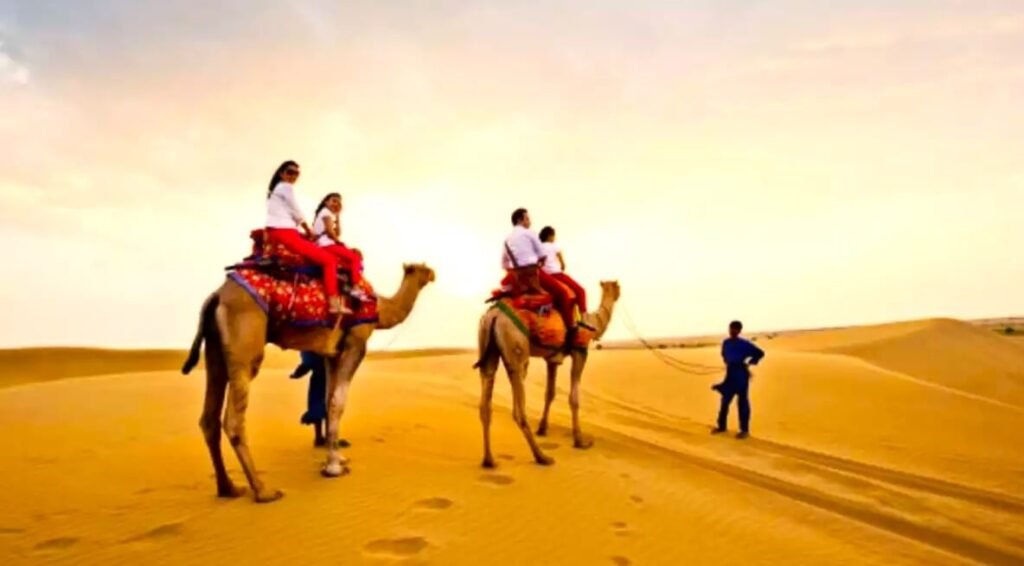
By mid-afternoon, it is time to move toward the Sam Sand Dunes or the more secluded Khuri region. This is where the true desert experience begins. For those seeking an authentic stay, booking a camp in jaisalmer allows you to experience the hospitality of the desert tribes while enjoying modern comforts under the stars. A camel safari is the traditional way to navigate the dunes, providing a rhythmic and peaceful way to witness the changing colors of the sand as the sun dips below the horizon. The vastness of the Thar is humbling, and the silence of the desert at sunset is a stark, beautiful contrast to the bustling city center.
As night falls, the desert transforms into a stage for cultural immersion. Many camps host traditional folk music and Kalbelia dance performances around a central bonfire. The highlight of any desert trip, however, is the culinary experience. Having a private dinner at sand dunes jaisalmer under the canopy of the Milky Way is an unforgettable experience. The taste of authentic Ker Sangri and Bajra Rotis, prepared with local spices and ghee, offers a sensory journey into the heart of Marwar culture.
Essential Travel Tips for Jaisalmer
To make the most of your two-day trip, timing is everything. The best time to visit is between October and March when the weather is pleasant enough for sightseeing. During the summer months, temperatures can soar above 45°C, making outdoor activities nearly impossible. When packing, remember to carry sun protection, comfortable walking shoes for the fort’s uneven paths, and a light jacket for the desert nights, which can get surprisingly chilly even in the peak of winter.
In terms of transportation, while the city itself is walkable, hiring a local guide or a reliable taxi service is recommended for reaching the dunes and Kuldhara. This ensures you get accurate historical context and don’t miss out on the hidden gems that aren’t always listed in standard brochures. Respecting the local customs, especially when visiting religious sites within the fort, is crucial. Always dress modestly and seek permission before taking photographs of the locals.
Jaisalmer is a destination that rewards those who take the time to look beyond the surface. It is a place where every stone tells a story of bravery, trade, and artistic brilliance. By following this 2-day itinerary, you ensure a comprehensive experience that captures both the architectural majesty of the “Golden City” and the ethereal peace of the Thar Desert. Whether you are exploring the heights of the fort or the depths of the dunes, Jaisalmer leaves an indelible mark on every traveler’s soul.