
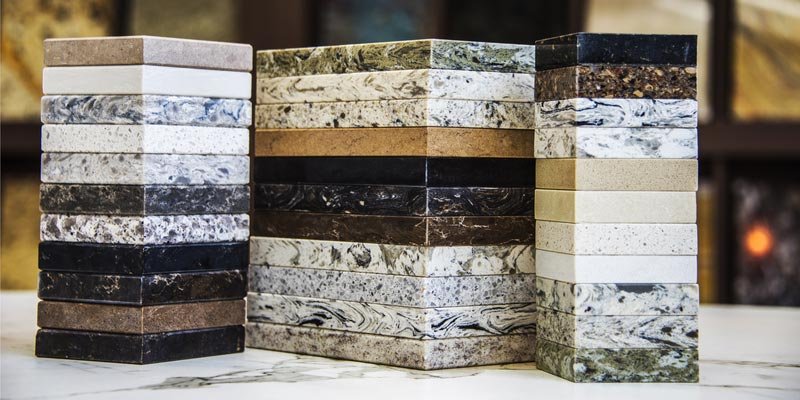
Selecting the right stone for your home is a significant investment that defines the aesthetic and longevity of your space. While working with a reputable granite exporter in india ensures a foundation of quality, homeowners should still understand how to verify the physical properties of their slabs. Granite is celebrated for its durability and heat resistance, but natural variations and processing methods can affect performance. By performing a few straightforward tests at home, you can confirm that the material delivered to your doorstep meets the high standards required for heavy-duty kitchen countertops or high-traffic flooring.
The Lemon Juice Acid Sensitivity Test
One of the most critical factors in determining granite quality is its reaction to acidic substances. Genuine granite is an igneous rock composed primarily of quartz and feldspar, meaning it should not react with mild acids. To perform this test, place a few drops of fresh lemon juice or white vinegar on a sample piece or an inconspicuous corner of your slab. Let it sit for approximately five to ten minutes before wiping it away. If the stone remains smooth and unchanged, it is high-quality granite. However, if you notice “etching”—a dulling of the surface polish or a slight white mark—the stone may contain high levels of calcite, suggesting it is a softer stone like marble or a low-grade hybrid being sold as granite.
Assessing Porosity with the Water Drop Test
Granite is naturally resistant to moisture, but different varieties have varying levels of porosity. High porosity can lead to deep-seated stains and bacterial growth within the stone. You can easily check the absorption rate by pouring a small puddle of water on the surface. Observe how long it takes for the water to disappear or darken the stone. If the water beads up and stays on the surface for over twenty minutes, the stone is dense and well-sealed. If the stone darkens within a minute or two, it is highly porous and will require frequent professional sealing to maintain its integrity. This is one of the important facts for buying granite that every homeowner should keep in mind during the selection process.
The Scratch Test for Surface Hardness
Granite ranks high on the Mohs scale of mineral hardness, typically between 6 and 7. This makes it incredibly difficult to scratch with common household items. To verify this, take a sharp stainless steel knife or a copper coin and attempt to scratch a small area of the slab. A genuine, high-quality granite slab will show no marks, and in some cases, the metal of the knife might actually rub off onto the stone rather than cutting into it. If the tool leaves a visible groove or a white powdery scratch, the material is likely a softer imitation or has been treated with excessive amounts of resin to hide structural weaknesses.
Detecting Artificial Dyes and Pigments
In the international market, some lower-quality stones are “doctored” with dyes to mimic the deep, vibrant colors of premium varieties. This is particularly common with darker stones. To ensure you are getting the authentic color you paid for, dampen a clean white cloth with denatured alcohol or acetone and rub the surface of the stone vigorously. If any color transfers onto the cloth, the granite has been artificially dyed. For those sourcing specific materials like the deep crimson hues from an Imperial Red Granite supplier, ensuring the color is geological rather than chemical is vital for long-term UV resistance and color fastness.
Visual Inspection for Fissures and Cracks
While natural stones often feature “fissures”—which are naturally occurring, hairline-thin openings that do not affect structural integrity—they should be distinguished from “cracks.” Cracks often go through the entire thickness of the slab and are signs of poor handling or structural failure. Run your hand across the surface of the granite; it should feel perfectly smooth. If you feel a “lip” or a snag where a vein appears, it is likely a crack. You can also perform a “ring test” by tapping the slab gently with a small wooden mallet. A solid, high-quality slab will produce a clear, ringing sound, whereas a cracked or heavily resined slab will produce a dull thud.
Evaluating Polish Uniformity
The quality of the factory polish is a reflection of the processing technology used by the exporter. Inspect the slab under a bright light held at an angle. The reflection should be crisp and mirror-like without any “orange peel” texture or hazy patches. Check for “pitting,” which are tiny holes between the mineral grains. While some pitting is natural in certain granite varieties, excessive pitting can trap dirt and moisture. A high-quality finish indicates that the stone was polished using premium abrasives and that the mineral structure is tight and well-formed.
Final Checks for Consistency
When your slabs arrive, compare the thickness across different points of the stone using a caliper or a standard ruler. Variations in thickness can lead to uneven joints and installation headaches. Standard premium slabs are usually 2cm or 3cm thick with minimal deviation. Additionally, check the edges for any signs of “spalling” or chipping, which indicates the stone might be brittle. By taking the time to conduct these simple home evaluations, you ensure that your investment in natural stone provides the durability and timeless beauty that Galaxy Exports is known for delivering to clients worldwide. Understanding these physical nuances allows you to move forward with your renovation projects with total confidence in your material choice.