
Planning a comprehensive journey through India’s most vibrant desert state requires a blend of historic grandeur and authentic cultural immersion. While majestic forts and glittering palaces dominate the typical itinerary, the true soul of the region thrives within its rural landscapes. If you are coordinating your travel plans with a premier travel agency in Rajasthan, a deep dive into the rustic countryside is likely at the top of your checklist. Among the most profoundly moving cultural excursions available is the Bishnoi Village Safari—a journey that transitions you from the bustling city streets into an eco-friendly sanctuary managed by one of the world’s first true environmentalist communities.
The Legacy of the Bishnoi Community
To truly appreciate this day excursion, one must understand the profound philosophy that governs the Bishnoi people. Founded in the 15th century by Guru Jambheshwar, the community follows 29 strict principles centered heavily on environmental conservation, wild animal protection, and sustainable living. The Bishnoi individuals are legendary for their fierce, unconditional protection of nature.
For centuries, they have coexisted harmoniously with local wildlife, treating native animals like family members. This deep-rooted cultural ethic transforms a simple desert drive into a masterclass in ecological harmony, offering travelers a rare glimpse into a society where conservation isn’t a modern marketing trend, but an ancient religious duty passed down through generations.
Designing Your Perfect Jodhpur Full Day Tour
Most travelers choose to experience this rural safari as part of an organized day trip originating from the Blue City. Integrating this safari into a comprehensive jodhpur full day tour ensures a perfectly balanced itinerary, contrasting the monumental scale of Mehrangarh Fort with the humble, inspiring lifestyle of the local villages.
The safari generally commences in the early morning when the desert temperature remains crisp and wildlife activity peaks. Traveling in an open-top 4×4 jeep, you leave the urban limits behind as the paved highways gradually give way to sandy terrain, acacia groves, and vast open plains. The transition is sudden and exhilarating, immediately setting the stage for an authentic desert adventure.
Wildlife Encounters on the Desert Plains
Despite the arid conditions, the wilderness surrounding these settlements thrives with biodiversity. Because the local residents strictly prohibit hunting and poaching, wild animals roam freely without fear of human presence.
Wildlife Highlights
- The Elegant Blackbuck: You will frequently spot these striking, spiral-horned antelopes grazing peacefully near the settlements.
- Chinkaras and Desert Foxes: The timid Indian gazelle is a common sight, darting gracefully across the sands alongside camouflaged desert foxes.
- A Paradise for Birdwatchers: The regional water bodies attract migratory birds, including Demoiselle cranes, vibrant peacocks, and majestic eagles.
Immersive Cultural Stops and Artisan Interactivity
A true safari is not merely a wildlife drive; it is a direct window into traditional craftsmanship. The itinerary includes curated stops at various family-run homesteads, allowing visitors to engage directly with local master artisans.
The Pottery Village (Singasni)
Here, traditional potters demonstrate remarkable skill, shaping local clay into beautiful, functional vessels using manual wooden wheels. Visitors are often invited to try their hand at the wheel, experiencing the tactile connection to an ancient art form.
The Weaving Village (Salawas)
Salawas is famous for its hand-woven durries (traditional rugs). Local weavers use manual pit looms to create intricate geometric patterns using camel hair, goat hair, and fine cotton. The geometric designs tell stories of desert life, and watching these craftsmen work provides a profound appreciation for slow, sustainable fashion.
Essential Elements of a Premium Rajasthan Heritage Tour
Experiencing the rustic side of India provides a necessary counterweight to exploring royal monuments. A well-designed Rajasthan heritage tour emphasizes that the region’s true heritage lies not just in stone architecture, but in its living traditions, folklore, and rural lifestyles.
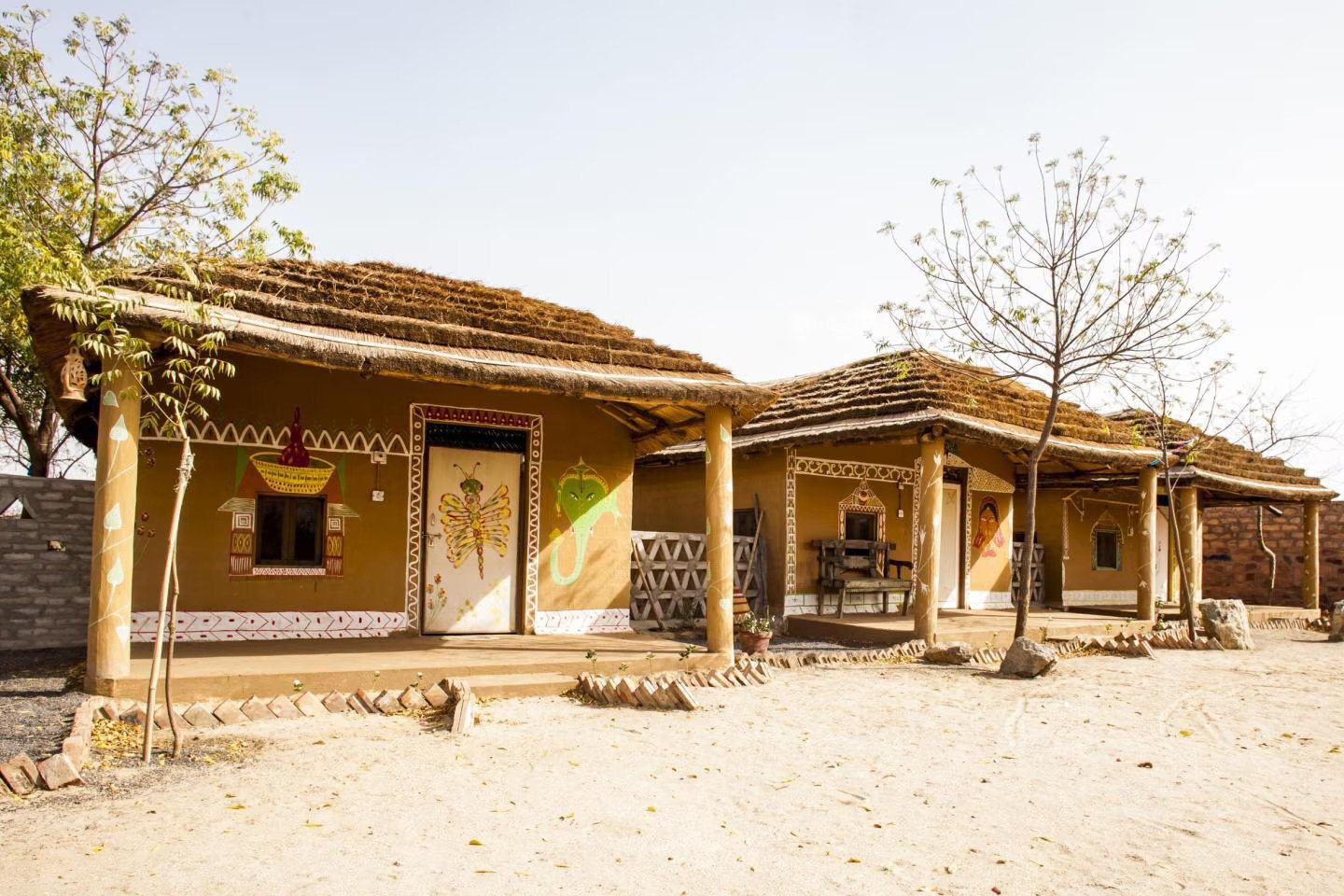
During the safari, guests are invited into traditional Bishnoi homes—clean, circular mud huts called ‘Bhungs’ with thatched roofs. These natural structures remain remarkably cool during intense summer days and warm during chilly desert nights. Inside, the spotless surfaces and highly organized setups reflect a lifestyle focused on minimalism, cleanliness, and functional simplicity.
The Opium Ceremony: A Traditional Ritual
A highly memorable highlight of the cultural safari is participating in the ancient Amal Sabha, or traditional opium ceremony. Historically used to seal friendships, welcome honored guests, and mark significant social agreements, this ritual remains a symbolic gesture of hospitality.
The village elders filter a highly diluted opium solution through a customized wooden apparatus, offering it to guests from the palm of their hands. While modern legal regulations strictly govern the practice, experiencing this ritual firsthand offers a fascinating look into the social customs that have bound these desert communities together for generations.
Practical Information for Travelers
To make the most of your excursion, timing and preparation are key. The ideal months to visit are between October and March when the weather is pleasant for outdoor exploration.
Expert Travel Tips
- Clothing Selection: Wear lightweight, breathable cotton apparel that covers your shoulders and knees to respect local cultural sensibilities.
- Sun Protection: Bring high-quality sunscreen, UV-protection sunglasses, and a wide-brimmed hat to shield yourself from the intense desert sun.
- Photography Ethics: Always ask for permission before photographing local villagers, especially women and elders, to maintain mutual respect.
- Hydration: Carry a reusable water bottle to stay hydrated throughout the day journey.