
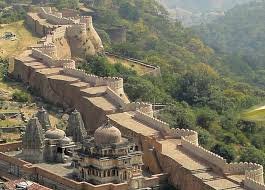
Standing atop the jagged ridges of the Aravalli Range, Kumbhalgarh Fort is not just a monument; it is a testament to Mewar’s indomitable spirit. As someone who has traversed these winding mountain roads countless times, I can tell you that the journey from the City of Lakes is as enchanting as the destination itself. Whether you are a history buff or a nature lover, booking a reliable Udaipur taxi service ensures that you don’t miss the hidden viewpoints and local eateries that make this circuit special. This guide is designed to help you navigate the “Great Wall of India” and its surrounding gems with the insight of a local.
The Architectural Marvel of Kumbhalgarh Fort
The first thing that hits you when you approach Kumbhalgarh is the sheer scale of its fortification. Built by Rana Kumbha in the 15th century, the fort boasts a perimeter wall extending over 36 kilometers, making it the second-longest continuous wall in the world. As you walk along the broad ramparts, which were designed to allow eight horses to ride abreast, you feel the weight of history. The fort remained virtually invincible throughout its existence, thanks to its strategic elevation and thick stone masonry. Inside, the Badal Mahal, or the ‘Palace of Clouds,’ offers a panoramic view that, on a clear day, stretches all the way to the dunes of the Thar Desert.
Planning Your Journey: Udaipur to Kumbhalgarh
The drive from Udaipur to the fort takes approximately two to three hours, depending on how often you stop to photograph the lush valleys. The terrain becomes increasingly rugged as you ascend, requiring a vehicle with good suspension and a driver familiar with the hairpin bends. For those traveling in a small group or as a couple, a sedan or SUV is perfect for the Udaipur to kumbhalgarh taxi route. However, if you are traveling with an extended family or a large group of friends, comfort should be your priority. To ensure everyone travels together without feeling cramped, many locals and frequent visitors prefer booking a luxury tempo traveller in udaipur to handle the mountainous incline while providing ample legroom and air conditioning.
Sacred Temples Within the Walls
While the palace is the main draw, the fort complex houses over 300 ancient temples. The Neelkanth Mahadev Temple is a personal favorite for many locals. Dedicated to Lord Shiva, it features a massive six-foot-high monolith Lingam. The architecture here is unique, with high pillars that give it an almost ethereal feel during the early morning mist. Walking through the Jain temples located further down the path allows you to see intricate carvings that have survived centuries of mountain weather. These sites offer a quiet place for reflection away from the main tourist crowds.
Wildlife and Nature: The Kumbhalgarh Wildlife Sanctuary
Surrounding the fort is a vast expanse of verdant forest known as the Kumbhalgarh Wildlife Sanctuary. This isn’t your typical manicured park; it’s a rugged wilderness home to leopards, sloth bears, hyenas, and the four-horned antelope. If you are a birdwatcher, the sanctuary is a paradise during the post-monsoon months. Local guides often recommend taking a Jeep safari through the sanctuary tracks, which can be arranged near the fort entrance. The contrast between the grey stone of the fort and the deep green of the forest is a sight that defines the beauty of the Rajsamand district.
Nearby Gems: Ranakpur and Beyond
Most locals suggest pairing a trip to Kumbhalgarh with a visit to the Ranakpur Jain Temple. Located about 33 kilometers away, this temple is a marvel of white marble and features 1,444 uniquely carved pillars. No two pillars are the same, a fact that never fails to amaze visitors. If you have extra time, a stop at the Hammeripal Lake in Kelwara offers a serene environment where you can watch crocodiles basking in the sun. These spots are often overlooked by standard tour packages but offer the most authentic glimpse into the rural life of Rajasthan.
Practical Tips for Your Visit
To truly enjoy Kumbhalgarh, timing is everything. The fort is best explored during the winter months (October to March) when the weather is cool enough for the steep climb to the Badal Mahal. Every evening, the fort is illuminated with golden lights, and a Light and Sound show narrates the history of the Mewar dynasty. I highly recommend staying for this, as the fort looks magical under the stars. Wear comfortable walking shoes with good grip, as the stone paths can be slippery. Lastly, always carry water and a light jacket, as the temperature on the hilltop drops significantly once the sun sets.
Why a Local Perspective Matters
Navigating the Rajasthan hinterland is more than just following a GPS route. It is about knowing which dhaba serves the best dal baati churma and understanding the rhythms of the local traffic. By choosing a service that understands these nuances, you turn a simple sightseeing trip into a cultural immersion. Sanwariya Cabs prides itself on providing drivers who aren’t just navigators but storytellers of the land. Whether you are exploring the heights of the fort or the depths of the sanctuary, having a reliable vehicle and an experienced hand at the wheel makes all the difference in your Rajasthani adventure.