
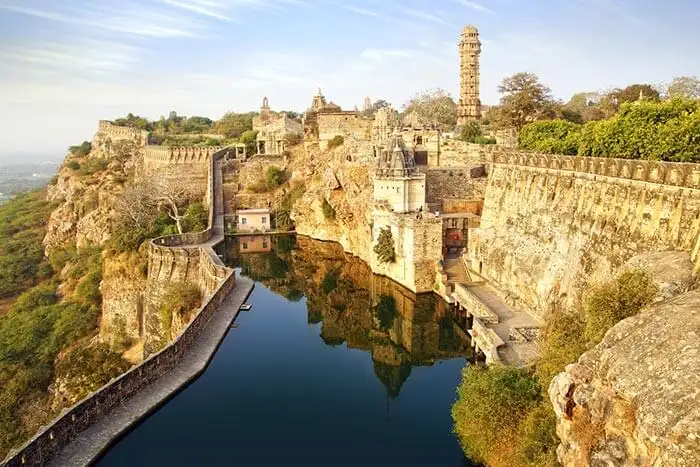
Chittorgarh, a city that resonates with the echoes of Rajputana bravery and timeless legends, is far more than just a destination on a map. It is a living testament to the spirit of Rajasthan. When you stand atop the massive fortifications and look out over the horizon, you aren’t just seeing a landscape; you are witnessing the stage where history was written in gold and sacrifice. For those planning a journey through the desert state, finding a reliable tour operator in Rajasthan is the first step toward uncovering the hidden narratives of this majestic land. The city of Chittorgarh, centered around the largest fort in India, offers a profound experience that blends architectural brilliance with emotional depth.
The Majestic Chittorgarh Fort: A Bastion of Pride
Spreading across 700 acres, the Chittorgarh Fort is the crown jewel of the region. Unlike many other forts that sit perched on isolated peaks, this “Water Fort” was designed as a self-sustaining ecosystem with 84 water bodies, of which many still exist today. Walking through the seven massive gates, or Pols, each with its own historical significance, you begin to understand why this site is a UNESCO World Heritage landmark. The fort has survived three major sieges, and each time, the stories of Jauhar and Saka reinforced its reputation as a symbol of unyielding courage. It is the centerpiece of any well-planned trip, offering views that stretch for miles across the Berach River valley.
Vijay Stambh: The Tower of Victory
Rising 37 meters into the sky, the Vijay Stambh is perhaps the most iconic structure within the fort complex. Built by Maharana Kumbha in 1448 to commemorate his victory over the armies of Malwa and Gujarat, this nine-story tower is an architectural marvel. Each floor is intricately carved with depictions of Hindu deities, celestial bodies, and scenes from daily life in the 15th century. Climbing the narrow, winding stairs to the top provides a panoramic view of the entire city. The level of detail in the stone carvings demonstrates the high level of craftsmanship that makes a Rajasthan heritage tour so rewarding for history enthusiasts and photographers alike.
Kirti Stambh: The Tower of Fame
While Vijay Stambh is dedicated to Lord Vishnu, the Kirti Stambh is a 22-meter high tower dedicated to the first Jain Tirthankara, Rishabhanatha. Built by a Jain merchant in the 12th century, it predates the Victory Tower and showcases a different architectural style. It is adorned with figures of the Digambara sect and stands as a beautiful example of the religious harmony and cultural diversity that has existed in Rajasthan for centuries. The intricate lattice work and the weathered texture of the stone tell a story of devotion that has survived the passage of nearly a millennium.
Padmini’s Palace: Beauty Amidst the Battlements
Situated beside a lotus pool, Padmini’s Palace is a delicate structure that offers a stark contrast to the rugged military architecture of the rest of the fort. This is the site associated with the legend of Rani Padmini, whose beauty is said to have led Sultan Alauddin Khalji to besiege the city. While the architectural style is understated, the historical weight of the location is immense. The palace surroundings, especially during the golden hour, provide a serene atmosphere that allows visitors to reflect on the legends that have shaped the cultural identity of India.
Rana Kumbha Palace: Where History Breathes
The ruins of Rana Kumbha Palace are perhaps the most atmospheric part of the fort. As the oldest structure within the walls, it was once the residence of the kings and the birthplace of Maharana Udai Singh, the founder of Udaipur. It is also deeply connected to the life of the poet-saint Meera Bai. Exploring the vaulted chambers and open courtyards gives you a sense of the domestic life of the royalty. Even in its ruined state, the palace exudes a sense of grandeur. Many travelers looking for Rajasthan Budget Tour Packages find that spending extra time here offers a rich historical return without the need for expensive modern attractions.
Meera Temple and Kalika Mata Temple
Spirituality is woven into the fabric of Chittorgarh. The Meera Temple, built in the North Indian style, is dedicated to the mystic poet Meera Bai who abandoned her royal life for her devotion to Lord Krishna. Its carved pillars and tranquil sanctum offer a space for quiet contemplation. Nearby, the Kalika Mata Temple, originally an 8th-century Sun Temple later converted to honor Goddess Kali, showcases the evolution of temple architecture over several hundred years. The vibrant energy of these living temples provides a unique “boots-on-the-ground” experience that connects the past with the present.
Gaumukh Reservoir: The Sacred Spring
The Gaumukh Reservoir is a deep tank filled by a spring coming from a “cow’s mouth” carved into the cliffside. In ancient times, this was the primary source of water for the fort’s inhabitants. Seeing the green waters set against the backdrop of ancient stone walls is visually stunning. It is considered a holy spot, and many pilgrims still come here to pay their respects. The engineering required to divert mountain springs into these reservoirs centuries ago is a testament to the expertise of the Rajput builders.
Pattan’s Memorial and the Jauhar Sthal
No visit to Chittorgarh is complete without acknowledging the somber sites of Jauhar. The Jauhar Sthal is the ground where the queens and women of the fort committed self-immolation to protect their honor during times of defeat. It is a place that demands silence and respect. While the stories are tragic, they are an inseparable part of why Chittorgarh is revered as a land of the brave. Understanding these events provides a deeper layer of “Experience” to your journey, moving beyond simple sightseeing into a true understanding of the local heritage.
Tips for the Modern Traveler
When visiting Chittorgarh, the best time to explore is between October and March when the weather is pleasant. Since the fort is vast, hiring a local guide or using a dedicated vehicle is highly recommended to ensure you don’t miss the nuances of each site. Wear comfortable walking shoes, as the terrain is uneven, and carry plenty of water. Ending your day by watching the Sound and Light Show at the fort is the perfect way to see the history come alive through narration and illumination.
Chittorgarh is not just a stopover; it is a destination that stays with you. From the towering heights of the Stambhs to the quiet corners of the ruined palaces, every stone has a story to tell. By choosing a path that respects the history and authenticity of the region, your trip becomes a meaningful exploration of one of the most significant chapters in human history.