
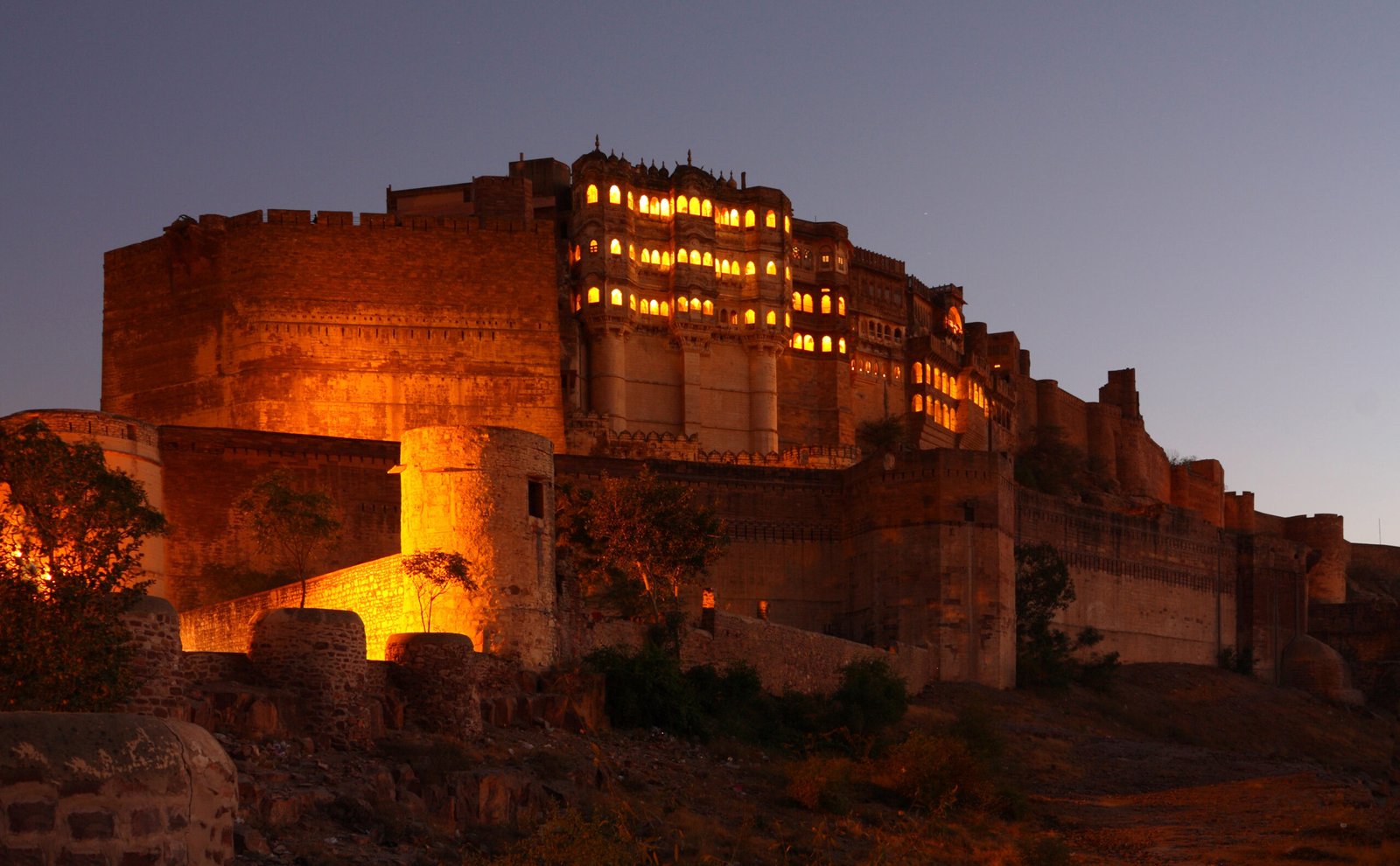
Whether you are a history buff, a photography enthusiast, or a foodie, Jodhpur offers an intoxicating blend of old-world charm and vibrant Rajasthani culture. Known globally as the “Blue City” due to the iconic azure-hued houses surrounding the Mehrangarh Fort, Jodhpur serves as a gateway to the Thar Desert. Planning a short trip requires a strategic itinerary to ensure you capture the essence of this royal destination. If you are arriving from the City of Lakes, booking a reliable Udaipur to Jodhpur taxi service ensures a comfortable four to five-hour drive, allowing you to arrive refreshed and ready to explore.
Day 1: Fortresses, Palaces, and Blue Alleys
Your first day should be dedicated to the architectural marvels that define the city’s skyline. Start your morning early at Mehrangarh Fort, one of the largest and best-preserved forts in India. Perched on a perpendicular cliff, the fort offers a bird’s-eye view of the blue houses below. Spend at least three hours here exploring the Moti Mahal, Phool Mahal, and the well-curated museum that showcases royal palanquins and armor. The expertise of a local guide can significantly enhance this experience, providing historical context that you won’t find on placards alone.
Just a short walk or drive from the fort lies Jaswant Thada, a milky-white marble cenotaph built in memory of Maharaja Jaswant Singh II. Often described as the “Taj Mahal of Marwar,” this peaceful spot features intricate carvings and a tiered garden. It provides a serene contrast to the imposing ruggedness of Mehrangarh. After soaking in the architecture, head down into the old city. Navigating the narrow, winding streets of the Brahmapuri area is the best way to understand why Jodhpur is called the Blue City. For larger groups or families touring multiple cities, hiring a tempo traveller in Rajasthan provides the necessary space and comfort to navigate between these heritage sites without the stress of multiple vehicles.
End your first day at the Clock Tower (Ghanta Ghar) and the bustling Sardar Market. This is the heart of Jodhpur’s commerce. Here, you can shop for traditional textiles, hand-dyed fabrics, and authentic spices. Don’t forget to try the famous Shahi Samosa or the Makhaniya Lassi, which are staple culinary experiences for any visitor.
Day 2: Royal Luxury and Local Life
On your second day, shift your focus to the more contemporary royal history and the natural beauty surrounding the city. Begin at the Umaid Bhawan Palace. This is one of the world’s largest private residences, and while a significant portion is a luxury hotel, the museum section is open to the public. It houses a fascinating collection of vintage clocks, cars, and photographs that detail the transition of Jodhpur into the modern era.
In the afternoon, consider a short excursion to Mandore Gardens. Located about 9 kilometers from the city center, these gardens contain the high-reaching cenotaphs of Jodhpur’s former rulers. Unlike the typical umbrellas-shaped chhatris found elsewhere in Rajasthan, these are built like Hindu temples with exquisite stone carvings. The lush greenery and the presence of playful langurs make it a relaxing spot for a mid-day stroll.
If you have time in the late afternoon, a Rao Jodha Desert Rock Park visit is highly recommended. Created to restore the natural ecology of a large, rocky wasteland next to the fort, it features several walking trails where you can see unique desert flora. It is also one of the best spots to catch the sunset against the backdrop of the fort. Having a dedicated Taxi service in Udaipur or Jodhpur means you can easily pivot your plans based on the weather or your personal pace, ensuring you don’t miss these hidden gems due to transport delays.
Practical Tips for Your Jodhpur Visit
To make the most of your 48 hours, keep these logistical tips in mind. The best time to visit Jodhpur is between October and March when the weather is pleasant for outdoor sightseeing. During the summer months, temperatures can soar above 40°C, making midday exploration difficult. When it comes to clothing, opt for breathable fabrics but keep a shawl or light jacket if you are visiting in winter, as desert nights can be chilly.
Respecting local customs is also vital for an authentic experience. When entering temples or traditional homes in the blue alleys, remember to remove your shoes. While Jodhpur is generally safe, always use registered transport services for late-night commutes to your hotel. Atithi Cabs prioritizes passenger safety and local transparency, which aligns with the trustworthiness visitors expect when navigating a new city.
Culinary Highlights of the Blue City
No trip to Jodhpur is complete without indulging in the local Marwari cuisine. The city is famous for its spicy street food and rich sweets. Aside from the aforementioned lassi, make sure to try Mirchi Bada (large green chilies stuffed with potato and deep-fried) and Pyaaz Kachori. For a sit-down dinner, look for restaurants offering “Ker Sangri,” a traditional desert vegetable dish, and “Dal Bati Churma.” Many rooftop restaurants in the Navchokiya or Gulab Sagar areas provide stunning views of the illuminated fort at night, creating a magical atmosphere for your final meal in the city.
Jodhpur is a city that demands you slow down and observe the details—the shade of paint on a wall, the scent of rosewater in the market, and the sound of the evening prayer echoing from the fort. By following this two-day guide, you ensure a balanced experience that covers both the monumental “must-sees” and the soulful local corners that make the Blue City truly unforgettable.