


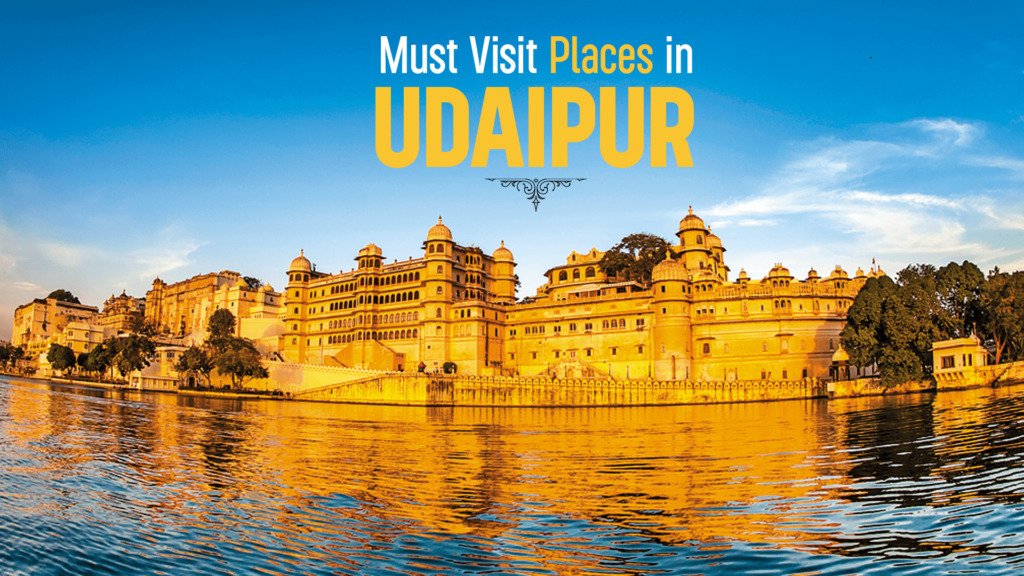
Udaipur, often referred to as the “City of Lakes” or the “Venice of the East,” stands as a living testament to the grandeur of Rajputana. While Rajasthan is dotted with majestic forts and golden deserts, Udaipur offers a unique, water-cooled perspective on the state’s heritage. Choosing a reliable taxi in Udaipur is the first step for any traveler looking to dive deep into this cultural oasis. The city isn’t just a destination; it is a sensory experience where the past and present coexist in a delicate dance of architecture, folk art, and royal hospitality.
The Architectural Marvels of the Mewar Dynasty
The soul of Udaipur lies in its architecture. Unlike the rugged, warrior-like structures of Jodhpur or Bikaner, Udaipur’s palaces reflect a sophisticated aesthetic that prioritized beauty and climate control. The City Palace complex, towering over Lake Pichola, is a labyrinth of courtyards, pavilions, and hanging gardens. Each granite and marble structure tells a story of the Mewar rulers who refused to bow to external pressures, maintaining a fierce sense of cultural identity.
Navigating these sprawling heritage sites requires a structured itinerary. Many visitors opt for a comprehensive Udaipur sightseeing taxi to ensure they cover the Bagore Ki Haveli and Saheliyon-ki-Bari without the stress of navigating narrow old-city lanes. At Bagore Ki Haveli, the evening Dharohar dance show provides a direct window into Rajasthani folklore, featuring the famous glass-balancing Bhavai dance and traditional puppet shows that have been passed down through generations.
A Culinary Journey Through Mewari Flavors
To understand Rajasthani culture, one must taste it. Udaipur’s culinary scene is a robust blend of rustic flavors and royal recipes. While Dal Baati Churma is a staple across the state, Udaipur offers specific variations like Ker Sangri (desert beans and berries) and Gatte ki Sabzi that carry a distinct local tang.
The city’s geography, defined by its lakes, also influences its food. Dining by the lakeside isn’t just a tourist activity; it’s a tradition of appreciating the “Vibe of Mewar.” The spice levels here are masterfully balanced, reflecting the hospitable nature of the locals. From the spicy Laal Maas enjoyed by the royals of old to the street-side Poha and Jalebi found near Jagdish Temple, every bite is an education in local geography and history.
Group Travel and the Spirit of Community
Rajasthan has always been a land of community. Whether it is a colorful Teej festival or a large-scale Rajput wedding, the culture thrives on togetherness. For those traveling with extended family or large groups of friends, the logistics of staying together are vital to experiencing this communal warmth. Booking a Tempo Traveller in Udaipur allows groups to share the journey, echoing the traditional way Indians travel—as a collective unit sharing stories and songs along the road.
This mode of transport is particularly useful when heading to the outskirts of the city. Sites like the Monsoon Palace (Sajjangarh) or the ancient temples of Eklingji and Nagda are best visited with a group. The shared experience of watching a sunset over the Aravalli Hills from the heights of Sajjangarh creates memories that a solo trip simply cannot replicate.
Craftsmanship and the Living Arts
Udaipur is a thriving hub for artisans. The city is world-renowned for its miniature paintings, a craft that requires immense patience and precision. These paintings, often done with brushes made from just a few squirrel hairs, depict scenes from the Ramayana, royal hunting parties, and the iconic Pichwai art dedicated to Lord Krishna.
Beyond paintings, the city is a treasure trove for silver jewelry, Bandhani textiles, and handcrafted leather journals. Visiting the Shilpgram crafts village, located a short drive from the city center, allows travelers to interact directly with the craftsmen. This interaction adds a layer of “Experience” and “Expertise” to your travel, as you learn the origins of the patterns and the significance of the colors used in local attire.
The Spiritual Heart of the City
Religion and spirituality are the bedrock of Rajasthani life. The Jagdish Temple, an Indo-Aryan masterpiece, serves as the city’s spiritual anchor. The constant chanting, the smell of incense, and the intricate carvings on the temple walls offer a meditative contrast to the bustling markets outside.
Udaipur’s culture is also deeply tied to its water bodies. The lakes are not just scenic backdrops; they are sacred. The ghats of Lake Pichola and Fateh Sagar Lake are places where rituals are performed, and daily life unfolds. Observing the evening aarti or simply sitting on the steps of Gangaur Ghat provides a sense of the “Trustworthiness” of local traditions—they have remained unchanged for centuries despite the modern world encroaching upon them.
Why Udaipur Stands Out in Rajasthan
While Jaipur is the administrative capital and Jaisalmer is the desert jewel, Udaipur is the emotional heart of Rajasthan. It is softer, greener, and more romantic, yet it carries the same DNA of bravery and pride found across the Thar Desert. It serves as a perfect gateway because it eases the traveler into the Rajasthani way of life.
The city’s ability to preserve its heritage while embracing sustainable tourism is a model for the rest of the country. By choosing local transport services and supporting traditional artisans, visitors become part of the city’s ongoing story. Udaipur doesn’t just show you its culture; it invites you to live it, breathe it, and take a piece of it back home with you.


