


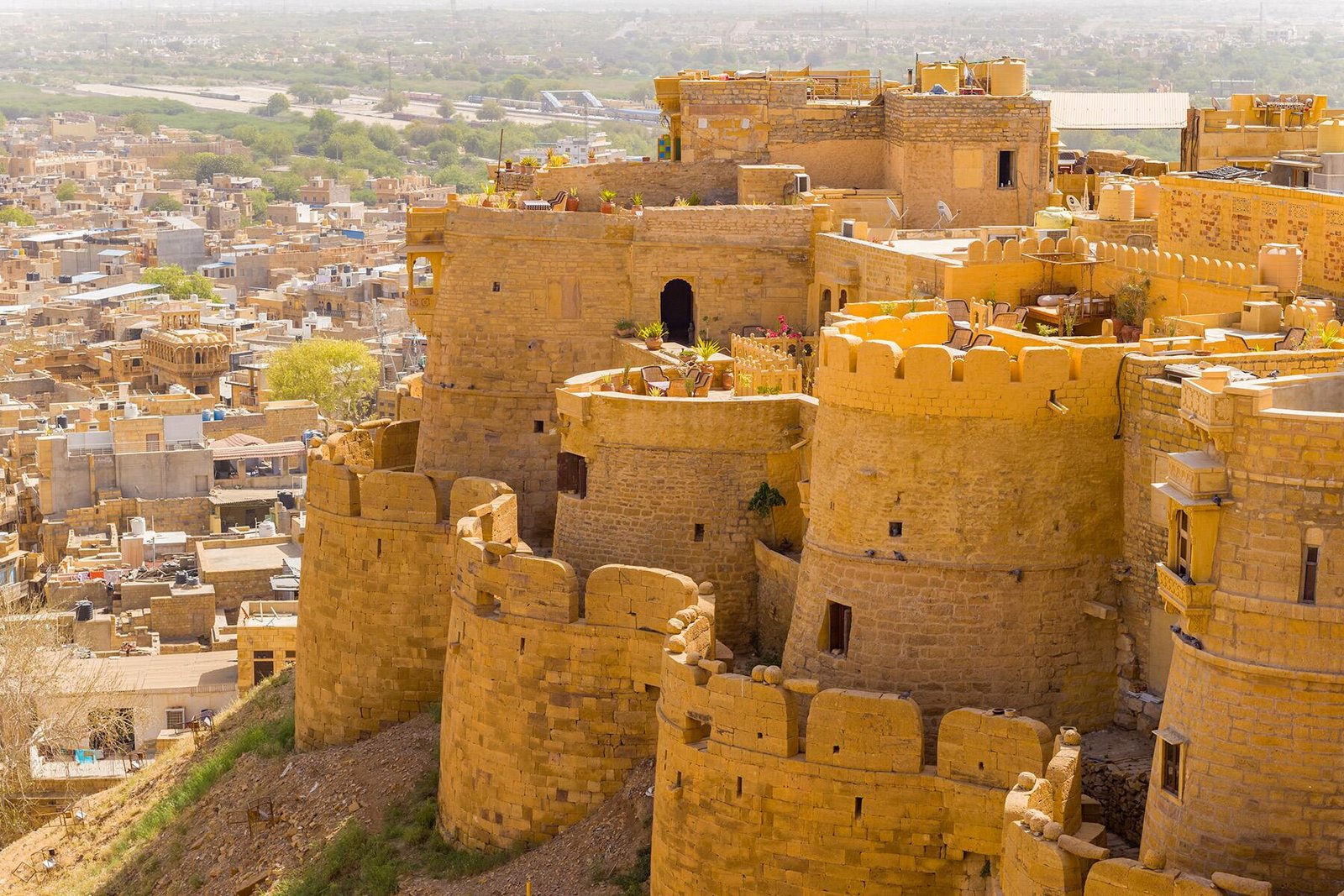
While many of the world’s great citadels stand as silent, hollowed-out museums of a bygone era, the Sonar Qila, or the Golden Fort, tells a different story. To understand the true essence of Jaisalmer, one must look past the ornate sandstone carvings and see the laundry hanging from balconies, the children playing in narrow cobblestone alleys, and the elders sharing tea at the doorsteps of ancestral homes. Jaisalmer Fort is not just a landmark; it is a living, breathing neighborhood that has remained inhabited for over 800 years. For travelers planning a Desert camp in Jaisalmer, starting the journey within these living walls provides the essential cultural context needed to appreciate the vast Thar Desert that lies beyond.
The Architecture of Coexistence
The distinction between a monument and a neighborhood lies in how space is utilized. In most historic forts, rooms are cordoned off with velvet ropes. In Jaisalmer, those same rooms serve as kitchens, shops, and living rooms. This continuous occupation has preserved the fort’s soul. The architecture itself was designed for community living, with the famous “Protas” or massive gates serving as social hubs where residents gather. The yellow sandstone structures are not just aesthetically pleasing; they are functional homes that have passed down through generations. This sense of continuity is what creates an atmosphere of authenticity that no museum can replicate.
A Microcosm of Rajasthani Life
Walking through the fort, you aren’t just a tourist; you are a guest in someone’s backyard. The “Living Fort” is home to nearly 3,000 people, primarily descendants of the Brahmin and Rajput families who served the former rulers. Life here follows a rhythm dictated by the sun and the seasons. In the morning, the smell of fresh kachoris wafts through the air, and by evening, the ramparts are filled with locals watching the sunset. This social fabric is what turns a massive stone structure into a cozy, albeit vertical, village. After spending a day navigating these bustling lanes, many visitors find that a 01 Night 2 days Sam Sand Dunes Package offers the perfect transition from the intimate, crowded charm of the fort to the expansive silence of the desert.
The Social Economy of the Golden Fort
What makes this neighborhood thrive is its self-sustaining ecosystem. The fort houses everything from silver smithies and textile weavers to small cafes and ancient Jain temples. Unlike monuments that rely solely on entry fees, the Golden Fort survives on active trade and hospitality. The residents are the custodians of the history; they don’t just know the stories, they live them. This local expertise adds a layer of depth to the visitor experience. When a shopkeeper explains the significance of a particular stone carving, they aren’t reciting a script; they are talking about their home. This organic interaction is the cornerstone of trustworthy travel, ensuring that the heritage is preserved through practice rather than just preservation laws.
Cultural Immersion Beyond the Walls
The transition from the urban density of the fort to the serenity of the dunes is a classic Jaisalmer experience. While the fort offers a glimpse into the historical lifestyle of the desert dwellers, the true traditional hospitality is often found under the stars. For those who have spent the day exploring the fort’s residential nooks, an evening of Dinner in Sand Dunes Jaisalmer provides a complementary experience. It bridges the gap between the structured life of the city and the nomadic traditions of the Thar. In the dunes, the same warmth found in the fort’s narrow alleys is translated into folk music, communal meals, and stories shared around a campfire.
Challenges of a Living Monument
Maintaining a neighborhood within a UNESCO World Heritage site is no small feat. The influx of modern amenities and the pressure of tourism present unique challenges to the fort’s structural integrity. However, the residents’ commitment to their ancestral homes remains the primary reason the fort is still standing. They understand that the value of the Golden Fort lies in its inhabitants. If the people were to leave, the fort would lose its “Sonar” (Golden) glow, becoming just another cold stone structure. The balance between preservation and progress is what keeps this neighborhood vibrant and relevant in the 21st century.
Why Jaisalmer Fort Remains Unique
There is a specific kind of magic in staying in a place where the walls have ears and the stones have memories. Jaisalmer Fort challenges the conventional definition of a monument by being stubbornly human. It refuses to be a relic. By choosing to explore this living neighborhood, travelers contribute to the survival of a unique way of life. It reminds us that history is not just about kings and battles, but about the everyday resilience of people. Whether you are navigating the fort’s labyrinth or retreating to Rajwada Desert Camp for a night in the wilderness, the connection to the land and its people remains the common thread that defines the Jaisalmer experience.


