


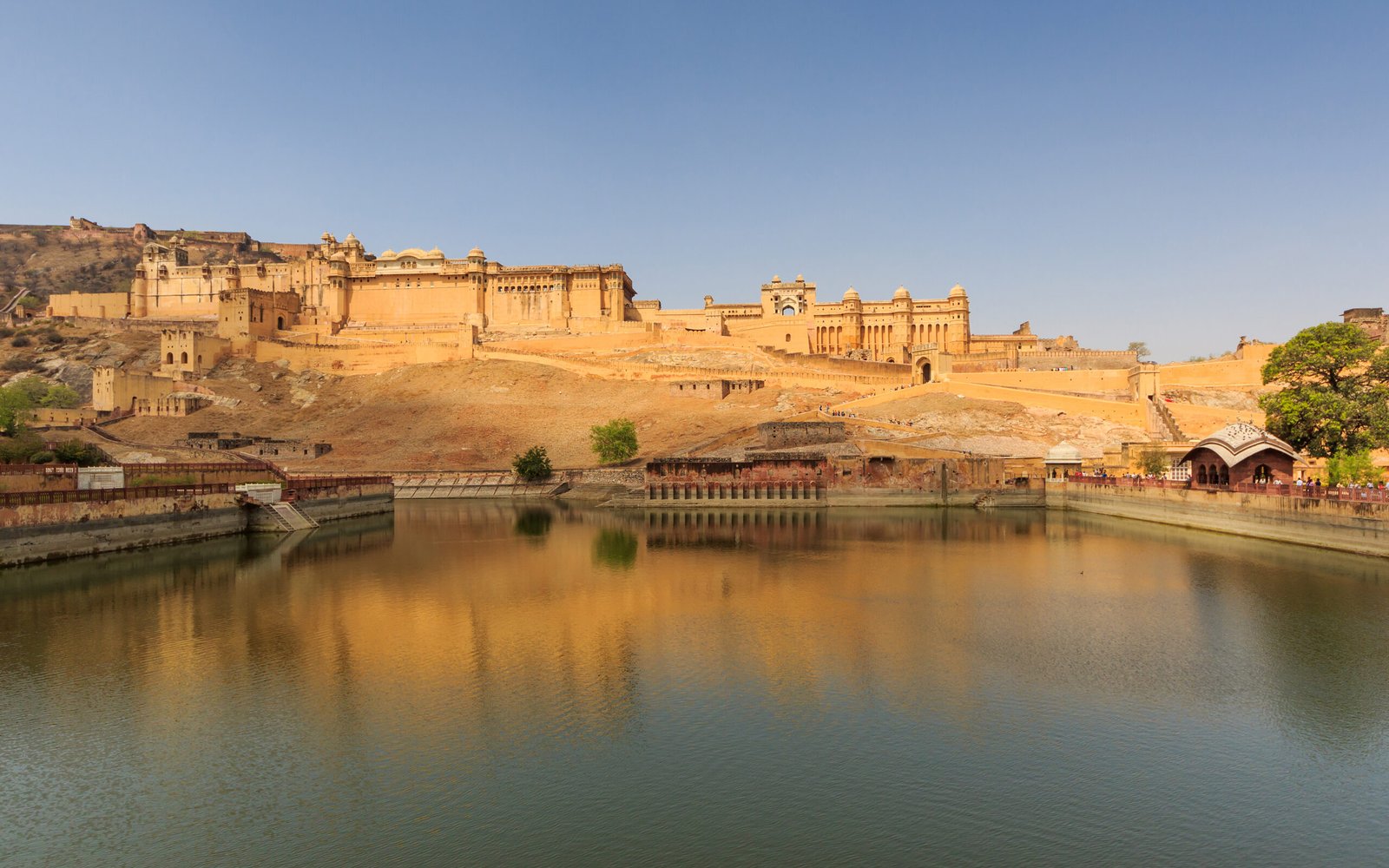
Stepping into the heart of Rajasthan feels like walking through a living museum, where every sandstone brick tells a tale of royalty and hospitality. If you are planning a journey from the Sun City, booking a reliable taxi in jodhpur is the first step toward witnessing the architectural marvels of the neighboring capital. Jaipur, famously known as the “Pink City,” holds a secret within its walls that transcends mere aesthetics. While many believe the city was always rosy, the truth is rooted in a fascinating blend of 19th-century diplomacy and a deep-seated cultural philosophy.
The Royal Welcome: Why Pink?
The story of Jaipur’s transformation begins in 1876. To prepare for the state visit of Prince Albert, the Prince of Wales, Maharaja Sawai Ram Singh II sought a way to make a lasting impression on the British royals. In Rajasthani culture, the color pink—specifically a terracotta shade—is the traditional symbol of hospitality and warmth. To ensure the entire city spoke the language of welcome, the Maharaja ordered every building in the walled city to be painted in this uniform hue.
The transformation was so impactful that the Prince’s travel chroniclers immediately dubbed it the “Pink City.” This wasn’t just a temporary makeover; the Maharaja’s favorite queen was so enamored with the look that she persuaded him to pass a law in 1877 making it illegal for any building in the old district to be painted any other color. To this day, the local municipal corporation maintains this law, ensuring that the heritage remains untarnished by modern palettes.
Architectural Mastery and the Science of Stone
Beyond the paint, the “pink” of Jaipur is also a result of the natural materials used in its iconic structures. Many of the most significant monuments, such as the Hawa Mahal and the City Palace, were constructed using indigenous red and pink sandstone sourced from the quarries of Rajasthan. This stone doesn’t just provide color; it offers incredible durability against the harsh desert sun.
For those traveling in large groups or with extended family, hiring a jodhpur tempo traveller ensures that everyone can experience these grand facades together. When you stand before the Hawa Mahal at sunrise, the light hits the 953 intricate jharokhas (windows), turning the building into a glowing ember of rose and gold. It is a moment where science, through the heat-resistant properties of the stone, meets the pure artistry of Rajput architecture.
The Best Spots to Witness the Original Hue
To truly understand the “secrets” of the pink hue, one must move beyond the main thoroughfares. The authentic terracotta shade is best preserved in the following areas:
- Sireh Deori Bazaar: The bustling market surrounding the Hawa Mahal where the uniform storefronts create a rhythmic visual experience.
- The City Palace Complex: Here, the pink walls serve as a backdrop for the famous “Peacock Gate,” creating a contrast that highlights the vivid colors of Rajasthani art.
- Albert Hall Museum: Named after the very prince who inspired the city’s color, this building showcases the Indo-Saracenic style against the classic pink backdrop.
Navigating these crowded historical lanes requires local expertise. Utilizing a professional Jaipur sightseeing taxi allows you to bypass the logistical stress of city traffic and focus entirely on the hidden details of the architecture, from the white lime-paste designs etched into the pink walls to the hidden courtyards that remain cool even in the height of June.
A Legacy That Never Fades
The “Pink City” is more than just a nickname; it is a commitment to heritage. Even as Jaipur grows into a modern metropolis with tech hubs and luxury malls, the walled city remains a protected sanctuary of terracotta. Every few years, the government commissions a massive repainting project to touch up the facades, using a specific pigment compound that mimics the original 19th-century lime wash.
This consistency is what makes Jaipur a UNESCO World Heritage site. It serves as a reminder that identity is often found in the details—in the choice of a color that represents a handshake, a smile, and an open door. Whether you are a history buff or a casual traveler, the secrets of the pink hue offer a glimpse into a time when a whole city could be transformed by a single gesture of friendship.


