
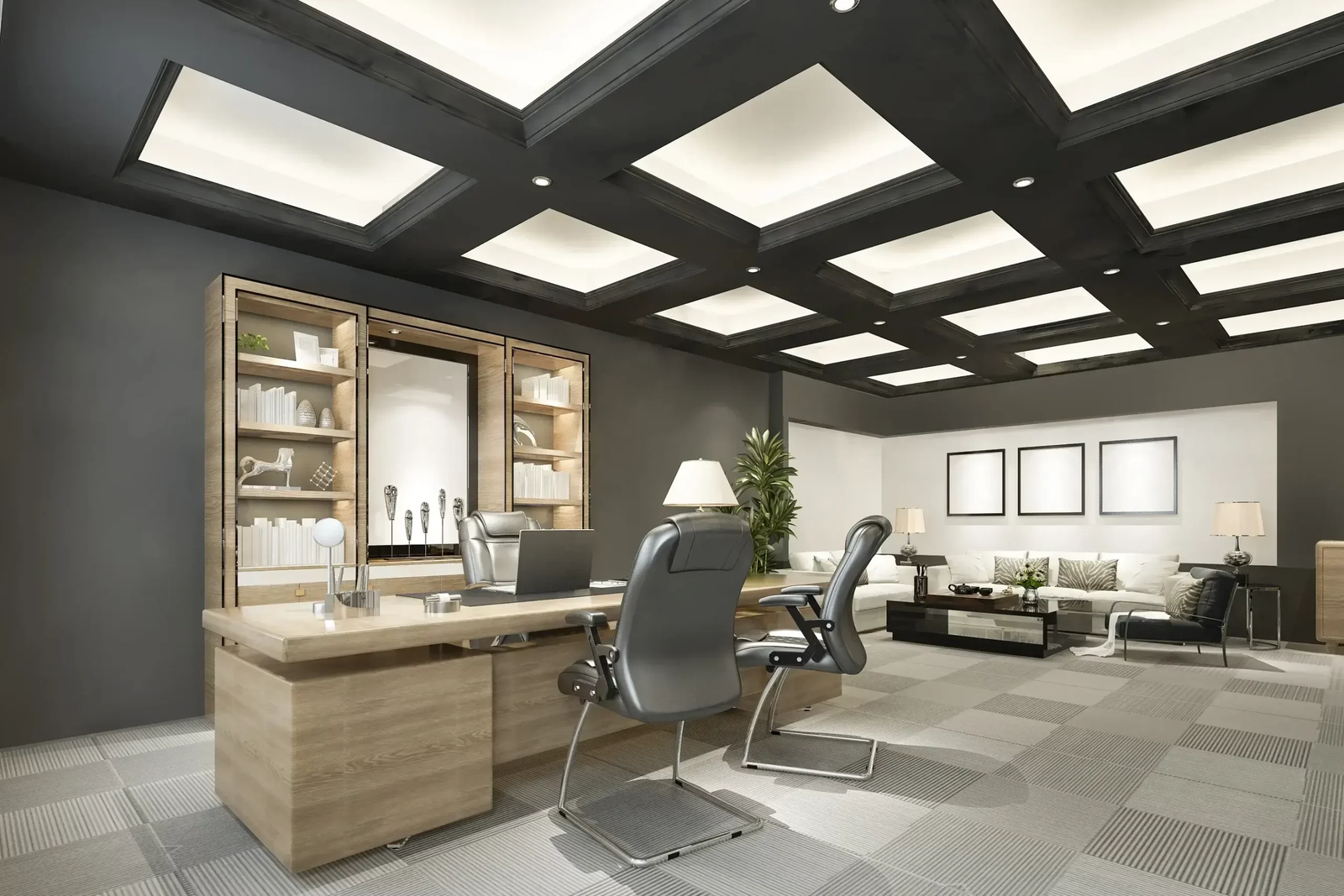
Modern corporate architecture is undergoing a significant transformation, shifting away from sterile, synthetic environments toward spaces that foster well-being and environmental responsibility. As businesses prioritize long-term value and ecological footprints, the materials chosen for interior infrastructure have come under intense scrutiny. Among the most resilient and aesthetically versatile options available, granite exports in india have emerged as a cornerstone for sustainable office design, offering a unique blend of geological permanence and low-impact maintenance. By integrating natural stone into the workplace, designers are not only enhancing the visual appeal of professional environments but also ensuring that the materials used contribute to a healthier, more durable building lifecycle.
The Lifecycle Advantage of Natural Stone
Sustainability in design is often measured by the longevity of a product. Unlike synthetic laminates or engineered surfaces that require replacement every few years due to wear and tear, natural stone is a “lifetime” material. When architects source high-quality natural stone blocks in india, they are investing in a substrate that withstands heavy foot traffic, resists heat, and maintains its structural integrity for decades. This durability directly translates to a reduction in waste, as the need for frequent renovations and the subsequent disposal of old materials are virtually eliminated. In a large-scale office setting, where communal areas and lobbies face constant use, the physical “hardness” of granite ensures the space remains pristine without the need for energy-intensive repairs or chemical-heavy refinishing.
Biophilic Benefits and Employee Well-being
The concept of biophilic design—incorporating natural elements into the built environment—is a proven method for increasing productivity and reducing stress among office workers. Natural granite provides a tactile and visual connection to the earth that artificial materials simply cannot replicate. Each slab contains unique mineral patterns and crystalline structures that add a sense of organic depth to a room. Whether utilized as a feature wall, a reception desk, or executive flooring, the presence of natural minerals creates an atmosphere of stability and calm. Furthermore, because granite is a natural product, it does not emit Volatile Organic Compounds (VOCs). Many modern office materials, such as certain plastics and glues, off-gas harmful chemicals over time, leading to “sick building syndrome.” By choosing natural stone, companies ensure superior indoor air quality, which is a fundamental pillar of the E-E-A-T standards regarding health and safety in architectural planning.
Versatility in Modern Workspaces
While granite is often celebrated for its strength, its versatility in design is equally impressive. It can be finished in various ways—polished for a high-gloss, professional look, or honed for a matte, contemporary feel. This adaptability allows it to fit into diverse office aesthetics, from industrial tech hubs to traditional law firms. Beyond the standard gray and black varieties, specialized stone variants offer unique textures. For instance, collaborating with a reputable Quartzite stone supplier in india allows designers to introduce even more variety, blending the durability of granite with the elegant, marble-like veining of quartzite. This range of choice empowers designers to create bespoke environments that reflect a company’s brand identity while maintaining a commitment to natural, eco-friendly sourcing.
Thermal Mass and Energy Efficiency
An often-overlooked aspect of sustainable office design is the thermal performance of materials. Granite possesses high thermal mass, meaning it can naturally regulate indoor temperatures by absorbing, storing, and slowly releasing heat. In an office environment, this can lead to significant energy savings. During the day, stone surfaces absorb the ambient heat generated by electronics and sunlight; during the cooler evening hours, they release that heat back into the space. This passive temperature regulation reduces the load on HVAC systems, lowering the building’s overall energy consumption and carbon emissions.
Maintenance and Environmental Impact
True sustainability also involves the “aftercare” of a material. Granite is incredibly easy to clean and does not require harsh industrial cleaners to maintain its luster. In most cases, mild soap and water are sufficient to keep the surfaces hygienic. For large-scale office complexes, this reduces the volume of toxic cleaning chemicals entering the local water system. Additionally, because granite is a 100% natural product, it is fully recyclable. If a building is ever decommissioned or remodeled, the stone can be repurposed for landscaping, paving, or even crushed for use in sustainable construction aggregates.
The Economic Case for Natural Materials
From a business perspective, the “Trustworthiness” of a material is tied to its ROI. While the initial investment in natural stone might be higher than that of budget synthetic alternatives, the total cost of ownership is significantly lower. The absence of replacement costs, coupled with the increased property value associated with high-end natural finishes, makes granite a fiscally responsible choice. For global exporters like Galaxy Exports, the focus is always on providing materials that represent both geological excellence and long-term utility. By choosing materials that are sourced responsibly and built to last, modern enterprises are making a clear statement about their values, showing that they prioritize quality and the environment over short-term savings. Natural granite stands as a testament to the fact that the most sophisticated office designs are those that respect the balance between human industry and the natural world.