
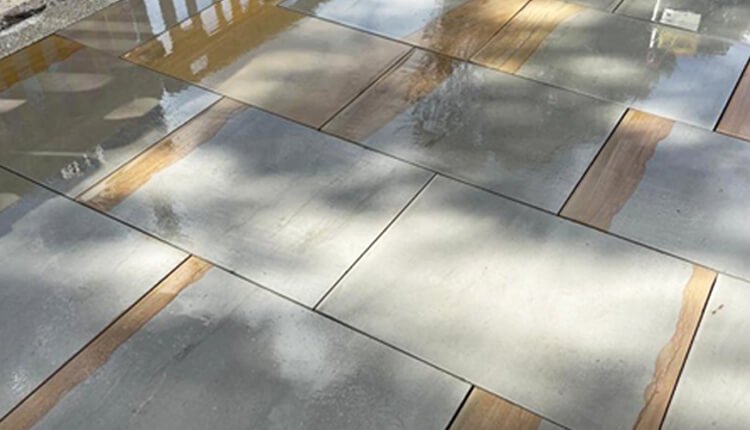
Choosing the right material for architectural, interior, or exterior projects often begins with understanding the core characteristics of stone surfaces. While all natural stone is quarried directly from the earth, terms like “natural stone” and “exotic stone” differentiate standard, widely available dimensional varieties from rarer, geologically complex specimens. For designers, builders, and homeowners, knowing the key differences between these selections ensures that structural longevity, aesthetic impact, and maintenance expectations are perfectly balanced.
Defining Natural Stone and Exotic Stone
Natural stone encompasses any organic rock quarried from geological deposits around the globe, cut into slabs, blocks, or tiles, and finished for construction or decor. This umbrella category includes well-known varieties such as granite, marble, slate, limestone, and quartzite. These stones are celebrated for their organic beauty, physical strength, and versatile applications across both residential and commercial builds.
Exotic stone represents an exclusive subcategory within the natural stone spectrum. Characterized by rare mineral inclusions, intense veining patterns, translucent properties, and striking color palettes, exotic stones are quarried in limited quantities from remote geological formations. Materials such as onyx, semiprecious stone, and high-pattern quartzite fall into this tier. Every slab of exotic stone functions as an individual geological work of art, featuring dynamic movement and visual depth that cannot be replicated.
Key Differences Between Standard Natural Stone and Exotic Stone
Selecting between standard architectural stone and an exotic variety involves weighing several performance and aesthetic factors:
- Geological Rarity: Common natural stones are sourced from expansive quarries with uniform formations, making supply predictable and consistent. Exotic stones come from narrow geological veins that may yield only a small number of slabs before the formation changes or becomes depleted.
- Visual Character and Consistency: Standard stones offer reliable chromatic themes and subtle grain structures suitable for expansive flooring or uniform facades. Exotic slabs exhibit bold mineral swirls, dramatic color contrasts, and shifting crystalline transparency that demand focal-point placement.
- Durability and Mineral Hardness: Traditional stones like dense granite and slate resist scratches and heavy impact naturally. Exotic stones vary widely in hardness; some quartzites exceed granite in abrasion resistance, while calcareous exotics like onyx require gentler care and protection against acid etching.
- Porosity and Maintenance: Regular natural stone requires periodic sealing depending on its density, but generally tolerates standard cleaning protocols. Exotic surfaces frequently require specialized penetrating sealers and non-abrasive care to protect delicate mineral inclusions.
- Project Investment: Due to extraction complexity, limited availability, and specialized shipping requirements, exotic stones command a higher investment per square foot than widely quarried dimensional stone.
Best Uses for Classic Natural Stone
Standard natural stones are workhorses in modern construction, offering durability across high-traffic and exterior environments:
- Kitchen Worktops and Countertops: Dense granites and quartzites handle heat, daily food preparation, and heavy use with exceptional resilience.
- Flooring and Wall Cladding: Marbles, slates, and limestones provide uniform, wear-resistant flooring for entryways, living areas, and executive corridors.
- Outdoor Paving and Landscaping: Weatherproof varieties withstand freeze-thaw cycles, sun exposure, and moisture, making them ideal for garden pathways, pool surrounds, and architectural facades. Sourcing directly from an established Sandstone exporter in India ensures premium dimensional consistency and slip resistance for large-scale outdoor projects.
Best Uses for Exotic Stone
Because of their visual drama and distinctive presence, exotic stones are best suited for high-impact showcase areas:
- Backlit Feature Walls: Translucent varieties like onyx or selective quartzites allow LED backlighting systems to illuminate the stone from behind, transforming vertical surfaces into glowing focal points in luxury lobbies, bars, and master suites.
- Statement Islands and Vanities: A single exotic slab on a kitchen island or powder room vanity acts as the centerpiece of an interior design, anchoring the surrounding cabinetry and fixtures.
- Custom Furniture and Inlay Accents: Rare stones are frequently crafted into custom dining tables, fireplace surrounds, and decorative wall medallions. Working with a dedicated exotic stone supplier in India gives architects and design professionals direct access to handpicked slabs with verified structural soundness and unique pattern composition.
Selecting the Right Stone for Your Project
The decision between standard natural stone and exotic varieties ultimately depends on functional requirements and design intent. For continuous spaces, high-impact prep surfaces, and expansive exterior environments, classic natural stones deliver the structural reliability and visual continuity necessary for lasting value. When a project demands an unforgettable signature element that highlights geological art, exotic stone provides unparalleled prestige and aesthetic distinction. Partnering with experienced stone processing specialists ensures that every chosen slab—whether robust sandstone or rare exotic quartzite—is cut, calibrated, and finished to the highest international standards.