


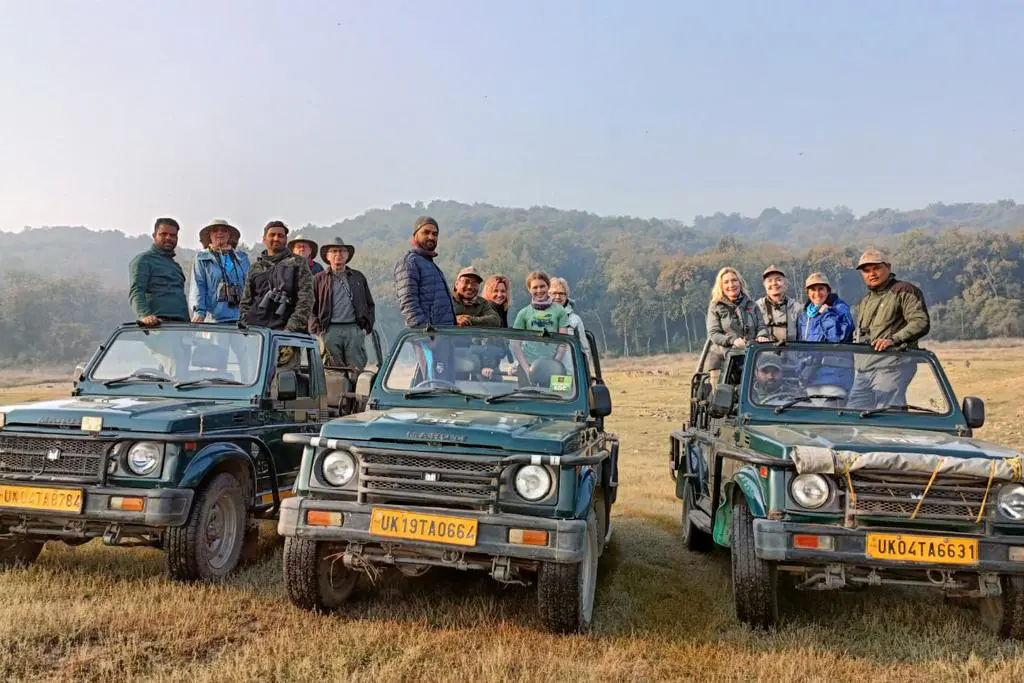
Ranthambore National Park stands as a testament to India’s incredible biodiversity, offering a raw and unfiltered look into the lives of some of the world’s most majestic creatures. Nestled in the heart of Rajasthan, this former royal hunting ground has transformed into a premier destination for wildlife enthusiasts and photographers alike. Staying at a luxury resort in ranthambore provides the perfect base for your wilderness exploration, blending the rugged thrill of the safari with the refined comfort of modern hospitality. Understanding the nuances of the local ecosystem enhances your experience, allowing you to appreciate the intricate balance of nature as you traverse the ancient dry deciduous forests and rolling hills of the Aravalli and Vindhya ranges.
The Royal Bengal Tiger: The Soul of the Jungle
The undisputed star of the Ranthambore landscape is the Royal Bengal Tiger. Unlike many other parks in India, Ranthambore is famous for its “daylight” tigers—individuals that have become accustomed to the presence of safari vehicles, allowing for unprecedented viewing opportunities. Each tiger has a unique personality and territory, often centered around the park’s iconic landmarks like the Raj Bagh ruins or the Padam Talao lake. Spotting a tiger requires patience, a keen ear for alarm calls from deer and monkeys, and the expertise of a seasoned naturalist. The thrill of seeing a tigress patrol her territory or watching cubs play in the tall grass is an experience that remains etched in memory long after the safari ends.
The Elusive Indian Leopard
While the tiger dominates the headlines, the Indian Leopard is the park’s master of stealth. These spotted predators are highly adaptable but notoriously shy. In Ranthambore, they often inhabit the higher rocky escarpments and dense thickets, avoiding direct confrontation with their larger striped cousins. Seeing a leopard requires a sharp eye, as their coat provides near-perfect camouflage against the dappled light of the forest floor or the grey stones of the cliffs. They are most active during the twilight hours, making morning and evening drives the best time to catch a glimpse of these graceful feline acrobats.
Sloth Bears: The Shaggy Forest Residents
Ranthambore is one of the best places in India to witness the unique behavior of the Sloth Bear. With their shaggy black coats and long, sickle-shaped claws, these insectivores are a fascinating sight. They are often found near termite mounds or foraging for fruits like mahua and ber. Sloth bears are known for their vocalizations and can be quite animated when digging for food. While they might look slow and clumsy, they are surprisingly agile and can be fiercely protective of their young. Observing a mother bear carrying her cubs on her back is a rare and heartwarming highlight of a Ranthambore safari.
The Majestic Herbivores: Sambar and Chital
The prey base of the park is dominated by two primary deer species: the Sambar and the Chital (Spotted Deer). The Sambar is the largest deer in India and is often seen wading into the lakes to feed on aquatic vegetation, a behavior somewhat unique to Ranthambore’s population. Their deep honking alarm call is a vital clue for trackers searching for tigers. In contrast, the Chital is smaller, more delicate, and usually found in large herds in the open meadows. Their striking white spots and elegant antlers make them a favorite subject for wildlife photographers. These herbivores form the backbone of the ecosystem, supporting the park’s apex predators.
Planning Your Wildlife Escape
To truly immerse yourself in this wilderness, choosing the right accommodation and package is essential. Many travelers find that a structured itinerary allows for the best balance of relaxation and adventure. Opting for a Ranthambore 2N 3D Couple Package ensures that you have dedicated time for multiple safari drives, increasing your chances of high-quality sightings while enjoying the romantic ambiance of the desert landscape. Expert guides and naturalists are crucial to this journey, as they interpret the “language of the forest,” from the subtle scrape on a tree trunk to the direction of a sudden breeze.
The Predators of the Sky: Avian Wonders
Beyond the mammals, Ranthambore is a haven for birdwatchers. The park’s diverse habitats, ranging from wetlands to dry scrub, attract over 300 species of birds. Majestic raptors like the Crested Serpent Eagle and the Changeable Hawk-Eagle soar above the canopy, while the vibrant Indian Courser and Painted Spurfowl ground the experience in color. During the winter months, the lakes become a sanctuary for migratory waterfowl, including Northern Pintails and Bar-headed Geese. Whether you are a dedicated birder or a casual observer, the symphony of bird calls adds a rich layer of texture to every safari outing.
Crocodile Encounters and Aquatic Life
The water bodies of Ranthambore, particularly the larger lakes, are home to the Mugger Crocodile. These ancient reptiles can often be seen sunning themselves on the banks or gliding silently through the water with only their eyes and nostrils visible. The interaction between the crocodiles and the terrestrial animals visiting the water’s edge creates a dramatic tension that is fascinating to observe. Alongside them, various turtle species and a multitude of fish thrive, contributing to the healthy, self-sustaining environment that makes this the best resort in ranthambore for nature lovers seeking an authentic connection with the wild.
Conservation and Ethical Wildlife Viewing
The continued presence of these incredible animals depends heavily on conservation efforts and responsible tourism. Visitors are encouraged to follow park regulations strictly, maintaining silence during sightings and respecting the animals’ space. By choosing eco-conscious lodging and supporting local conservation initiatives, travelers play a role in ensuring that the tigers, leopards, and bears of Ranthambore continue to roam free for generations to come. The magic of Ranthambore lies not just in the sightings themselves, but in the knowledge that you are witnessing a precious and protected fragment of the natural world.


