


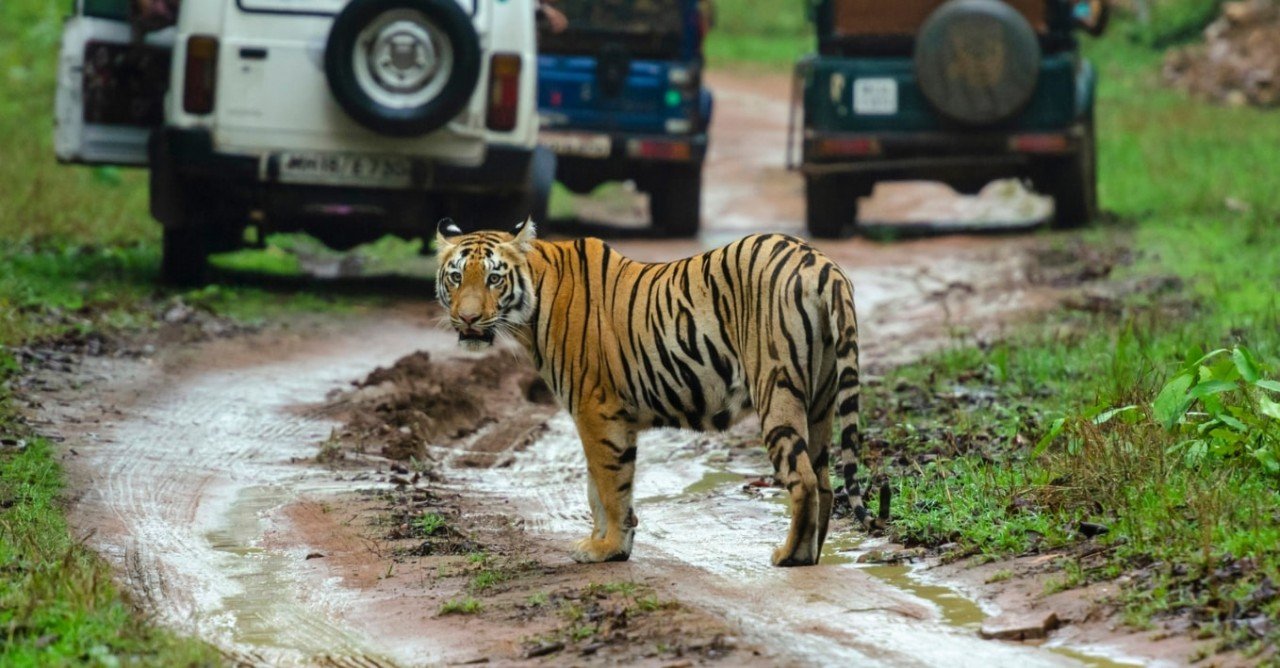
Ranthambore National Park stands as a crown jewel of India’s wildlife heritage, offering a raw and unfiltered glimpse into the lives of Bengal tigers. For many travelers, the dream of seeing a tiger in its natural habitat begins with finding the right base for their adventure. Staying at a dedicated resort in Ranthambore provides the necessary proximity to the park gates, ensuring you are first in line for the dawn excursions. Planning a successful safari requires a deep understanding of the park’s logistics, from the intricate zone system to the seasonal timing shifts that dictate animal movement.
Understanding the Safari Zones
The park is divided into ten distinct safari zones to manage tourist flow and protect the ecosystem. Zones 1 through 5 are considered the core areas and are historically the most popular due to frequent tiger sightings. Zones 6 through 10 were opened later to accommodate the growing number of visitors and offer breathtaking landscapes, ranging from steep cliffs to dense forest patches.
- Zones 1-5: These zones encircle the historic Ranthambore Fort. They feature large lakes like Padam Talao and Raj Bagh, which serve as vital water sources. Tigers are often spotted patrolling these banks or resting in the shade of ancient ruins.
- Zones 6-10: These areas offer a more rugged terrain. Zone 6 (Kundu) and Zone 10 (Aantri) have gained a reputation for excellent sightings in recent years as tiger territories expand. These zones are often quieter, providing a more serene experience for birdwatchers and nature enthusiasts.
Choosing a zone often feels like a game of chance, but every area of Ranthambore possesses unique flora and fauna. While the core zones are often booked months in advance, the outer zones provide a rugged, “off-the-beaten-path” feel that many seasoned photographers prefer.
Types of Safari Vehicles
To explore these wilderness areas, the forest department authorizes two types of vehicles: the 6-seater Gypsy and the 20-seater Canter. Each offers a different perspective on the forest.
- The Jeep Experience: A jeep safari in Ranthambore is widely considered the best way to navigate the narrow, winding tracks of the park. Because the vehicle is smaller and quieter, it can reach remote corners where larger vehicles might struggle. This option is ideal for small groups, families, and professional photographers who require more stability and flexibility for their gear.
- The Canter Experience: For larger groups or solo travelers on a budget, the Canter is a practical choice. It sits higher off the ground, offering a wide-angle view of the grasslands. While it cannot navigate the tightest turns, it remains a reliable way to experience the majesty of the park.
Essential Safari Timings
The timings for a jungle safari in Ranthambore change throughout the year, synchronized with the rising and setting of the sun. The park remains closed during the monsoon season (typically July to September), reopening in October when the vegetation is lush and vibrant.
- Winter (October to February): Morning safaris usually start around 7:00 AM, while afternoon sessions begin at 2:30 PM. The crisp morning air makes this a comfortable time for travel, though heavy woolens are essential for the early hours.
- Summer (March to June): As the heat intensifies, safari times shift earlier. Morning trips start as early as 6:00 AM to beat the sun, and afternoon trips start around 3:30 PM. This is often the best time for tiger sightings, as the predators frequently visit the remaining water holes to cool down.
Each safari lasts approximately three and a half hours. It is crucial to arrive at the boarding point at least 15 minutes before your scheduled departure to ensure a smooth entry process through the forest check posts.
Permit Fees and Booking Procedures
The cost of a Ranthambore safari includes several components: the forest department permit fee, vehicle hire charges, and the mandatory guide fee. Prices vary significantly between Indian nationals and international tourists.
- Online Booking: It is highly recommended to book your permits through the official government portal well in advance, especially for the high season (December and March). Permits for the core zones (1-5) often sell out within minutes of being released.
- Last-Minute Options: While there is a current provision for “Tatkal” or last-minute bookings, these come at a premium price and are subject to availability.
- Documentation: Ensure you carry the same original photo ID (Aadhar Card, Passport, or Voter ID) that you used during the booking process. The forest officials verify these documents at the gate before allowing entry.
Tips for a Successful Sightship
Wildlife viewing requires patience and a bit of luck. To maximize your chances of a memorable encounter, consider the following expert advice.
- Listen to the Jungle: Your guide and driver are experts at interpreting alarm calls from spotted deer, langurs, and sambar. These sounds are the most reliable indicators that a predator is on the move nearby.
- Dress Appropriately: Wear neutral colors like khaki, olive green, or brown to blend in with the surroundings. Avoid bright colors or strong perfumes that might distract the animals or disrupt the environment.
- Respect the Silence: The forest is a sanctuary. Keep conversations to a minimum and ensure your mobile phone is on silent. This respect for the habitat often leads to more intimate and prolonged sightings.
- Stay Hydrated: Even in the winter, the dry air of Rajasthan can be dehydrating. Carry a reusable water bottle to minimize plastic waste within the park.
Ranthambore is more than just a destination for tiger sightings; it is a complex ecosystem where history and nature coexist. From the soaring eagles above the fort to the crocodiles basking in the lakes, every moment spent in the park offers a lesson in biodiversity. By planning your zones, timing, and vehicle choice carefully, you set the stage for an unforgettable journey into the heart of the Indian wild. Whether you are a first-time visitor or a returning enthusiast, the mystery of the jungle never fails to deliver a new and profound experience.


