


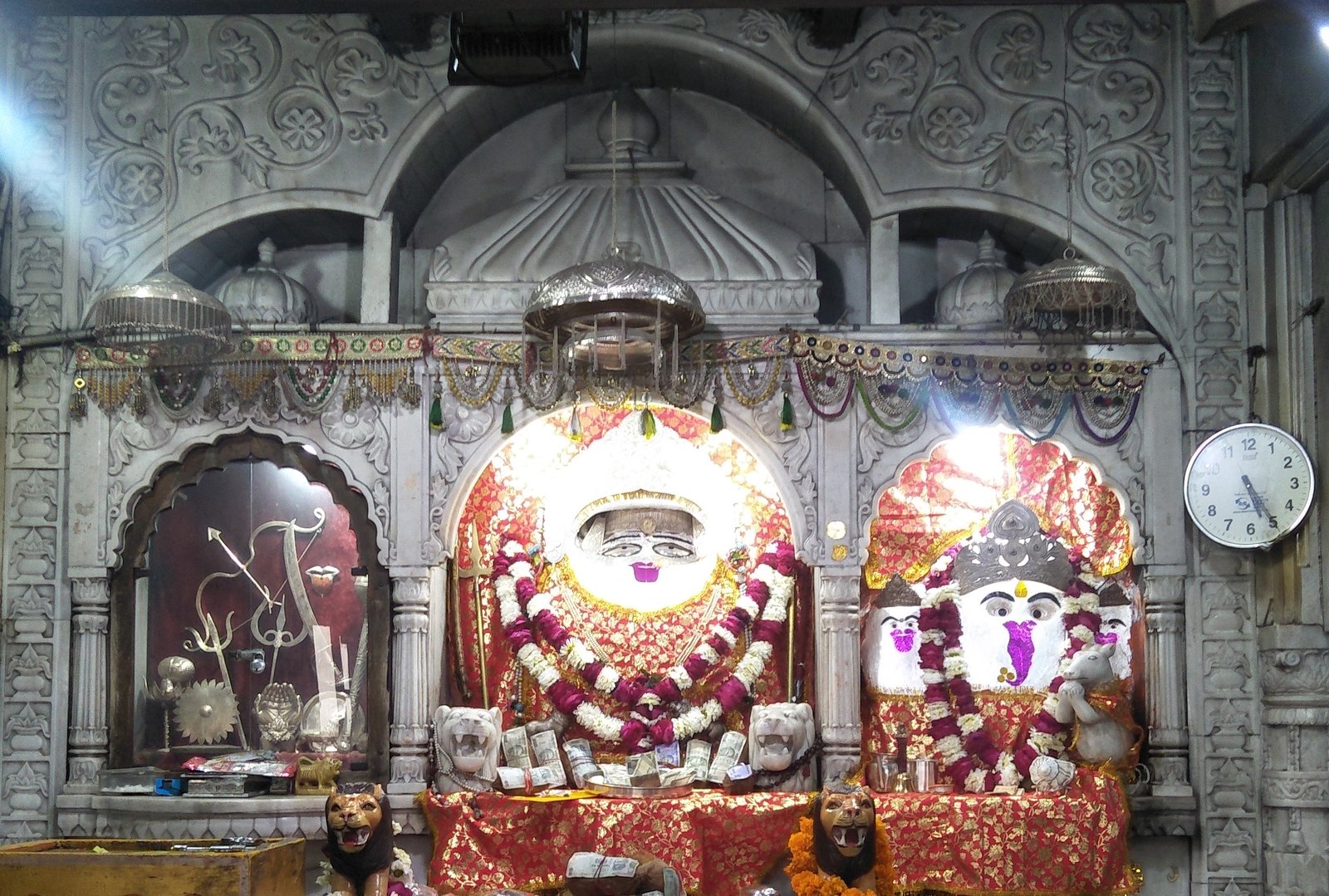
Located atop a scenic hill in the Sawai Madhopur district, the Chauth Mata Temple stands as a beacon of faith and Rajasthani heritage. For many travelers, a visit to this revered shrine is the primary reason for their journey, but the surrounding landscape offers a wealth of cultural and natural treasures that deserve exploration. Finding a comfortable and well-positioned resort in Ranthambore serves as the perfect base for those looking to balance their spiritual pilgrimage with the raw beauty of the Indian wilderness. The area around the temple is steeped in history, offering a glimpse into the regal past of the Chauhan dynasty and the vibrant local traditions that continue to thrive in the shadow of the Aravalli Range.
The Majestic Ranthambore Fort
Just a short drive from the temple sits the formidable Ranthambore Fort, a UNESCO World Heritage site that dominates the skyline. Built in the 10th century, this architectural marvel is not just a relic of the past but a living testament to the bravery of Rajput warriors. As you hike up the stone pathways, you are greeted by massive gates, ancient stepwells, and ruins that tell stories of ancient sieges. The fort offers a panoramic view of the entire national park, making it one of the most significant Places to Visit in Ranthambore for history buffs and photography enthusiasts alike. Inside the fort complex, the Trinetra Ganesha Temple remains a focal point for devotees, who often pair their visit here with a trip to Chauth Mata.
Nature and Wildlife at the National Park
The proximity of the Chauth Mata Temple to the world-renowned Ranthambore National Park provides a unique opportunity to witness India’s most famous predator in its natural habitat. While the temple provides spiritual solace, the park offers an adrenaline-pumping experience through its rugged terrains and deciduous forests. Beyond the elusive Bengal tiger, the park is home to leopards, sloth bears, and a diverse array of bird species. For those planning their itinerary, exploring the various safari zones and visiting the serene Padam Talao lake are essential Things to Do in Sawai Madhopur to fully appreciate the biodiversity of the region. The interplay between the dry desert landscape and the lush forest pockets creates a visual contrast that is rare to find elsewhere in Rajasthan.
Spiritual Serenity at the Amareshwar Mahadev Temple
Nestled amidst the hills on the way to the Ranthambore National Park, the Amareshwar Mahadev Temple is another hidden gem near Chauth Mata. This ancient Shiva temple is tucked away in a verdant valley, accessible by a short trek through a rocky path. During the monsoon season, a natural waterfall cascades near the temple, creating a tranquil environment that feels worlds away from the bustling city. Local residents hold this site in high regard, and it offers a quieter, more meditative alternative to the larger tourist spots. The journey to the temple itself is an experience, as the path is surrounded by high cliffs and the sounds of native wildlife, providing a deep sense of connection with nature.
The Artistry of Shilpgram
For those interested in the indigenous culture of Rajasthan, a visit to Shilpgram is highly recommended. Located near the village of Ramsinghpura, this craft village serves as a living museum of local arts and crafts. It was established to preserve the traditional skills of the local communities and provide them with a platform to showcase their work. Visitors can observe artisans creating intricate pottery, traditional textiles, and the famous Ranthambore paintings. This cultural hub provides an insightful look into the daily lives and creative spirits of the people who have lived in the vicinity of the tiger reserve for generations. It is an excellent spot to pick up authentic, handcrafted souvenirs that support the local economy.
Rajiv Gandhi Regional Museum of Natural History
As the country’s fourth regional museum of natural history, this institution is a must-visit for families and students. The museum focuses on the flora, fauna, and geology of Western India, particularly the ecosystem of Ranthambore. Through detailed exhibits and life-like dioramas, it educates visitors on the importance of conservation and the delicate balance of the environment. The museum serves as a bridge between the physical experience of a jungle safari and the scientific understanding of the wildlife encountered. Its modern architecture and well-curated galleries provide a refreshing educational break after a morning of sightseeing or temple visits.
Scenic Beauty of Surwal Lake
Located about 25 kilometers from the main town, Surwal Lake is a seasonal paradise for birdwatchers. During the winter months, the lake becomes a temporary home for thousands of migratory birds, including painted storks, flamingos, and spoonbills. The sight of the sunrise over the calm waters, with the Aravalli hills in the background, is breathtaking. Unlike the more crowded parts of the national park, Surwal Lake offers a peaceful retreat where one can enjoy the stillness of the countryside. It is best visited early in the morning when the bird activity is at its peak and the light is soft, making it a favorite spot for professional nature photographers.
Khandar Fort: The Unconquerable Outpost
Situated slightly further away but well worth the journey, Khandar Fort is an ancient structure that once served as a strategic military outpost. Unlike Ranthambore Fort, Khandar remains relatively untouched by mass tourism, offering a raw and authentic exploration experience. The fort is famous for its “unconquerable” reputation, as it is built on a steep vertical hill. The ruins contain several temples, including those dedicated to Lord Shiva and Lord Hanuman, along with old water reservoirs that demonstrate the advanced engineering of the time. The silence of the ruins combined with the vast views of the Banas River makes it a hauntingly beautiful destination for those looking to wander off the beaten path.
Planning Your Excursion
Exploring the attractions near Chauth Mata Temple requires a blend of spiritual openness and an adventurous spirit. The best time to visit these sites is between October and March when the weather is pleasant enough for trekking and outdoor exploration. Whether you are seeking the divine blessings of the Goddess, the thrill of a tiger sighting, or the quiet beauty of a desert lake, the region around Madhopur offers a comprehensive travel experience. By staying at Ranthambore Tiger Resort, visitors ensure they are centrally located to enjoy all these landmarks while experiencing the traditional hospitality that Rajasthan is famous for. Each site near the temple adds a new layer to the story of this land, making your journey a rich tapestry of memories.


