
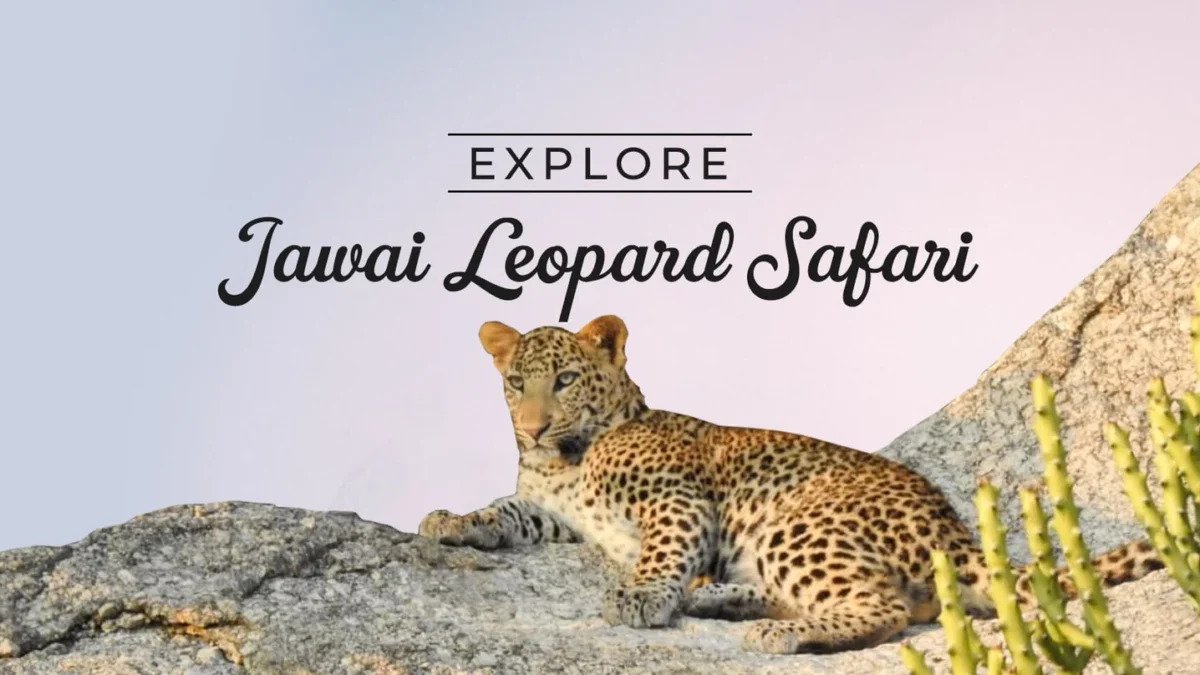
Tucked away in the rugged, granite landscapes of Rajasthan lies a wilderness unlike any other in India. Jawai, named after the nearby river and dam, has rapidly transformed from a hidden gem into a bucket-list destination for wildlife enthusiasts and luxury travelers alike. What makes this region truly exceptional is its unique ecosystem where humans and apex predators coexist in absolute harmony. Unlike the dense jungles of Central India, the terrain here is defined by billion-year-old rock formations, scattered scrub, and vast water bodies. This open landscape provides an unparalleled theater for wildlife viewing, making it one of the premier destinations in Asia for tracking big cats.
Planning a trip to this distinct wilderness requires a blend of logistical preparation and an understanding of the local ecosystem. Whether you are looking for an action-packed wildlife adventure or a serene escape into nature, organizing your itinerary around the region’s unique geography ensures a seamless experience.
The Wildlife Experience: Tracking the Big Cats
The primary draw for most visitors to this region is the chance to witness the magnificent Indian leopard in its natural habitat. The local hills are home to a thriving population of these big cats, who have made the cave networks within the granite kopjes their permanent residences. Because the landscape lacks dense undergrowth, spotting these stealthy predators basking on sun-warmed rocks is highly accessible compared to other national parks.
A standard Jawai Leopard safari takes place in customized, open-top 4×4 vehicles driven by expert local trackers. These guides possess an intimate knowledge of the terrain, individual leopard territories, and behavioral patterns passed down through generations. Safaris are typically conducted twice a day—once in the early morning as the wilderness wakes up, and again in the late afternoon, extending into the twilight hours when these nocturnal hunters become most active. Beyond the big cats, the ecosystem supports a rich diversity of wildlife, including striped hyenas, desert foxes, wild boars, and antelope species like the nilgai.
Choosing Your Base: Luxury Amidst the Wilderness
Where you choose to stay significantly shapes your overall experience in this rugged terrain. The hospitality landscape in the region has evolved to offer sophisticated comfort that respects the surrounding environment. To truly immerse yourself in the wilderness without sacrificing modern comforts, finding the right accommodation is essential.
Securing a stay at a premier Luxury Resort in Jawai allows travelers to experience the perfect intersection of rugged exploration and refined relaxation. Many of these properties offer panoramic views of the granite hills and tailored hospitality that includes bush dining, guided nature walks, and private safari bookings. After a thrilling day traversing the rocky terrain, returning to an oasis of comfort elevates the journey from a simple wildlife trip to a holistic luxury retreat.
For those who want to feel completely connected to the surrounding environment, specific room orientations make a world of difference. Booking a Jungle View Room in Jawai ensures that the wilderness is always within sight. Waking up to the sounds of native birds and looking out over the scrubland or the gentle backwaters of the nearby dam offers a constant reminder of the raw, untouched beauty of Rajasthan’s backcountry.
Avian Wonders and the Jawai Dam
While the leopards undoubtedly steal the spotlight, the massive water reservoir created by the dam is a massive attraction in its own right. The lake serves as a vital lifeline for both the local wildlife and a staggering array of migratory birds. Depending on the time of year, the shores of the reservoir transform into a vibrant, chaotic assembly of avian species.
During the winter months, the water body plays host to thousands of migratory birds traveling from as far as Siberia and Europe. Visitors can spot massive flocks of lesser and greater flamingos filtering the shallow waters, alongside cranes, pelicans, spoonbills, and various species of geese. The dramatic contrast of pink flamingos against the blue waters and grey granite hills provides a spectacular backdrop for photographers. Additionally, the reservoir is home to some of the largest mugger crocodiles found in Rajasthan, often seen basking lazily along the stone banks during the midday sun.
Cultural Immersion: The Rabari Tribe
A travel guide to this region would be incomplete without acknowledging the human element that makes the conservation story here so successful. The hills are shared equally between the leopards and the Rabari tribe, a pastoral community of semi-nomadic shepherds who have inhabited the region for centuries. Dressed in traditional striking red turbans and white attire, the Rabari live alongside the big cats with a deep sense of reverence and mutual respect.
Local beliefs dictate that the leopards are guardians of their deities, creating a unique cultural shield that has prevented poaching and human-wildlife conflict for generations. Integrating a cultural walk through a traditional Rabari village into your travel itinerary provides profound insight into how indigenous wisdom can foster sustainable wildlife conservation in the modern world.
Practical Tips for Your Wilderness Tour
To ensure a successful and comfortable expedition, timing and preparation are key factors to consider before your departure.
- Best Time to Visit: The ideal window runs from October to early April when the weather is pleasant and comfortable for outdoor safaris. The winter months offer crisp mornings and cool evenings, making wildlife tracking highly enjoyable.
- What to Pack: Earth-toned clothing (khaki, olive green, beige) helps you blend into the natural environment. Bring layers, as temperatures can drop significantly during early morning safaris and rise during the afternoon. Sunscreen, sunglasses, a wide-brimmed hat, and a good pair of binoculars are absolute essentials.
- Photography Gear: A camera body paired with a telephoto lens (at least 300mm or greater) is highly recommended for capturing clear wildlife shots from the safety of the safari vehicles. A wide-angle lens is equally useful for capturing the sweeping, dramatic landscapes and rock formations.