
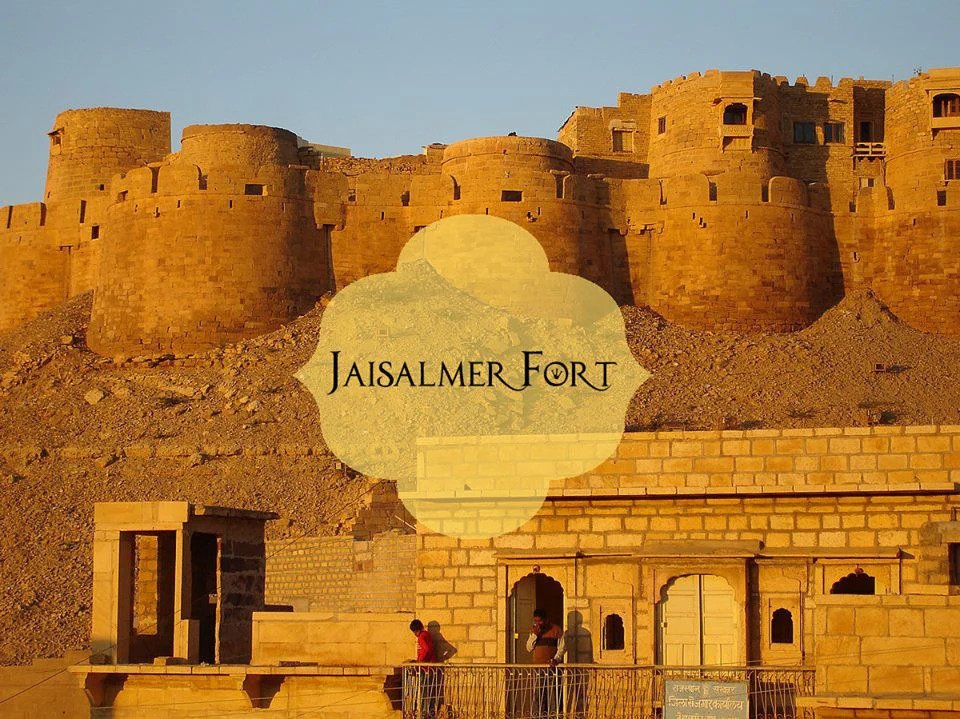
Planning a trip to the Golden City requires a clear understanding of the Thar Desert’s weather rhythms. Because Jaisalmer is located in the heart of Rajasthan’s arid terrain, temperature shifts across seasons dramatically impact your travel experience. Whether you are looking to explore ancient sandstone fortresses, ride camels across golden dunes, or spend starlit nights under desert skies, timing your visit is essential for comfort and enjoyment.
Understanding Jaisalmer’s Desert Climate
The climate of Jaisalmer is classified as hot and arid, characterized by extreme variations between summer and winter temperatures. Unlike coastal regions with mild maritime breezes, the Thar Desert experiences stark day-to-night temperature drops and intense solar radiation during midday. Understanding these seasonal nuances helps travelers pack appropriately, select suitable outdoor excursions, and enjoy the rich heritage of Rajasthan without physical fatigue.
Winter (October to March): The Ideal Window for Travelers
The winter season is widely recognized as the best time to visit Jaisalmer. During these months, the intense desert heat recedes, giving way to pleasant daytime breezes and crisp, cool nights. Daytime temperatures range between 10°C and 27°C, creating optimal conditions for sightseeing, architectural tours, and outdoor desert adventures.
Early Winter (October to November)
October marks the end of the monsoon and the official start of the tourist season. The sky clears to a brilliant azure blue, and daytime temperatures become mild and comfortable. Humidity levels drop significantly, making early winter a fantastic period for strolling through the ancient alleyways of Jaisalmer Fort and photographing historical havelis.
Peak Winter (December to January)
December and January bring the coolest temperatures of the year, with nighttime mercury dropping between 5°C and 8°C. The clear daytime skies make outdoor exploration effortlessly enjoyable. Nights in the open desert dunes can get chilly, making bonfire gatherings and cozy accommodation deeply appealing. Visitors booking glamping accommodations during these months enjoy glamping comforts like plush bedding, private attached bathrooms, and warm interiors in luxury swiss tents in Jaisalmer.
Late Winter (February to March)
As winter transitions into early spring, February and March bring warm, sunny days and comfortable evenings. February is also when the world-renowned Jaisalmer Desert Festival takes place on the Sam Sand Dunes. The festival highlights local crafts, folk traditions, turban-tying competitions, and vibrant parades, making late winter an exceptional choice for cultural enthusiasts.
Cultural Traditions and Evening Entertainment
A highlight of visiting Jaisalmer during the cooler months is experiencing the rich heritage of Rajasthan’s folk traditions. As night falls over the desert, traditional performers gather around campfires to share timeless stories through music, sarangi melodies, and Kalbeliya performances. Witnessing a captivating Culture dance in Jaisalmer under a star-filled sky offers visitors an immersive connection to the region’s royal heritage.
Monsoon Season (July to September): The Quiet Shoulder Period
While the desert is not typically associated with rainfall, Jaisalmer experiences a brief monsoon window between July and September. Annual rainfall remains sparse, but occasional light showers help settle the desert dust and cool down the atmosphere.
- Landscape Changes: Sparse green vegetation emerges across arid landscapes, creating scenic contrast against yellow sandstone.
- Lower Tourist Crowds: Popular heritage monuments and dune sites are noticeably quieter, appealing to photographers and slow travelers seeking solitude.
- Humid Conditions: Humidity can rise after brief showers, though evenings remain pleasantly manageable compared to the peak summer heat.
Summer Season (April to June): Extreme Desert Heat
Summers in Jaisalmer are exceptionally hot, with daytime temperatures routinely exceeding 40°C and occasionally reaching up to 48°C during peak afternoon hours. High winds and sandstorms can make outdoor excursions difficult between noon and early evening.
While summer is generally avoided by casual tourists, budget-conscious travelers sometimes visit during early April or late June to take advantage of discounted tariffs. If traveling during summer, plan all sightseeing during early morning or late evening hours, remain thoroughly hydrated, and choose air-conditioned stays.
Practical Travel Tips for Your Jaisalmer Journey
To maximize comfort regardless of when you travel, consider these essential recommendations:
- Layer Your Clothing: Desert temperatures swing drastically between day and night. Lightweight cotton works well during sunny afternoons, while warm jackets or woolen shawls are vital for cool winter nights.
- Protect Yourself from the Sun: Wear UV-blocking sunglasses, broad-spectrum sunscreen, and wide-brimmed hats during daytime sightseeing.
- Book Desert Stays Early: Peak winter months bring high traveler volume. Selecting a well-regarded camp in jaisalmer in advance guarantees seamless hospitality, authentic local dining, and organized dune safaris without last-minute hassle.
By aligning your travel plans with Jaisalmer’s optimal weather window, you can fully appreciate the golden architecture, rolling dunes, and welcoming hospitality that define this remarkable Thar Desert destination.