
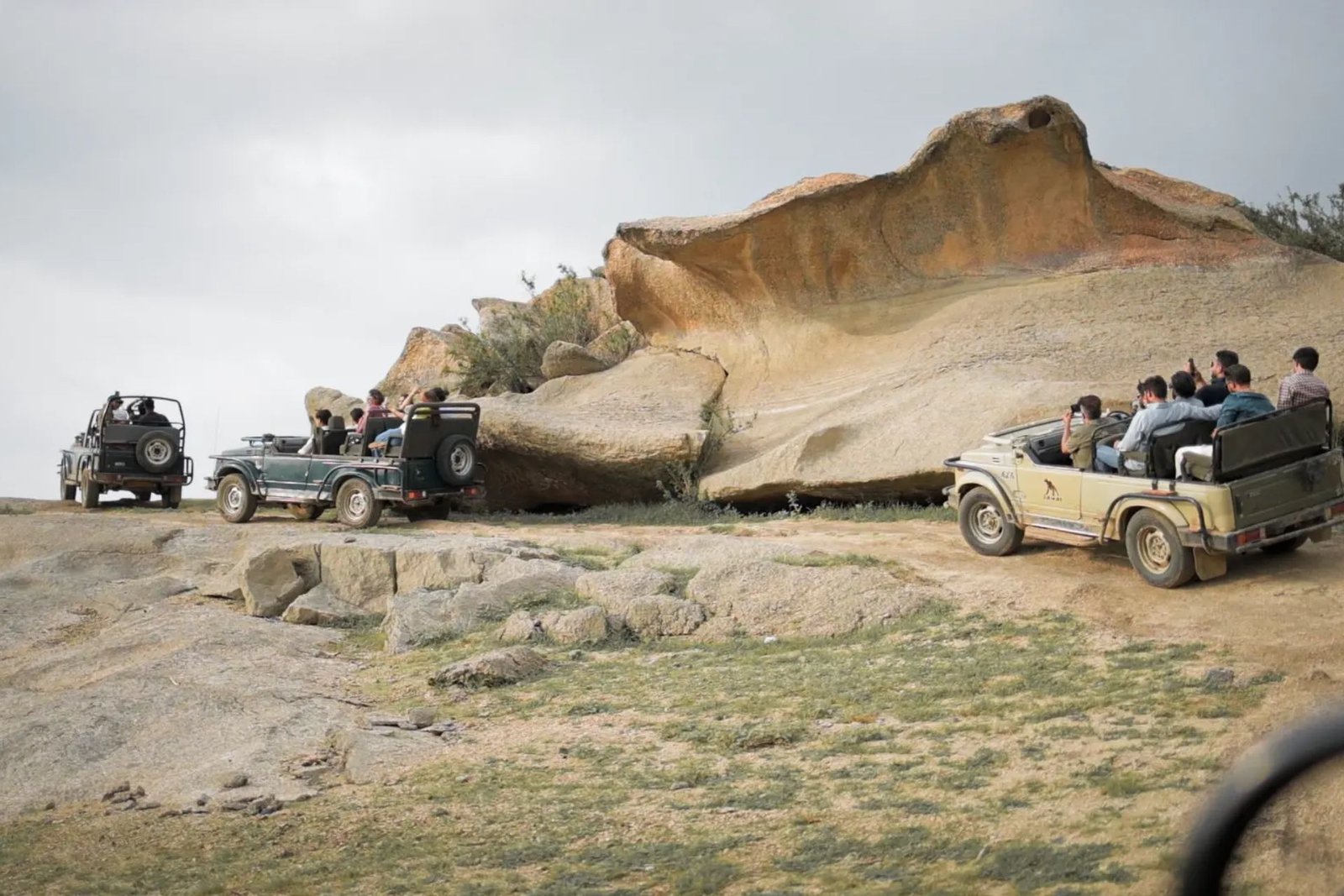
Deep within the ancient Aravalli hill range of Rajasthan lies a landscape unlike anywhere else on earth. The granite monoliths, winding backwaters, and thorn scrub forests of Jawai create a wild ecosystem where apex predators and human communities exist in complete, quiet synchronization. For centuries, wild leopards have roamed these rocky hills alongside the indigenous Rabari pastoralists.
Experiencing Jawai is not merely about tracking wildlife; it is a lesson in peaceful coexistence, heritage, and wilderness survival. When planning an authentic journey to this region, staying at a premier luxury resort in Jawai provides the ultimate gateway to explore the wild terrain while enjoying world-class hospitality.
The Sacred Harmony of the Rabari Tribe and Wild Leopards
The story of Jawai cannot be told without understanding the Rabari people. Easily recognizable by their vivid red turbans, white traditional attire, and silver ornaments, the Rabaris are a semi-nomadic shepherd tribe who have inhabited these granite hills for generations.
What makes Jawai extraordinary is the deep-rooted spiritual relationship between these villagers and the resident big cats. The Rabaris consider the leopard a sacred guardian associated with their deity, Lord Shiva. Unlike other wildlife reserves where human-animal conflict dominates the narrative, Jawai features no fences or artificial boundaries. Leopards roam freely around the village paths, granite caves, and livestock yards without fear of human hostility.
During a visit to a local Rabari settlement, guests gain rare insights into this ancient lifestyle. Watching a shepherd guide his livestock across the rocky plains, fully aware that a big cat might be resting on a boulder above, reveals a rare philosophy of natural respect and peaceful co-living.
The Thrill of a Tracking Expedition
A leopard safari in Jawai is fundamentally different from a typical national park visit. Because the terrain consists of massive, towering granite formations and vast open valleys, tracking leopards requires immense skill, patience, and expert local tracking.
Customized 4×4 open safari jeeps traverse the rugged landscape early in the morning and late in the afternoon when big cats are most active. The tracking team relies on subtle cues:
- The warning calls of langur monkeys echoing off the stone walls
- Fresh pugmarks imprinted in the sandy riverbeds
- Visual scanning of natural caves and high granite ledges where leopards sunbathe
Because these big cats have grown accustomed to the non-threatening presence of humans over generations, sightings are remarkably intimate. It is common to observe a leopard lounging peacefully on a granite rock face just a short distance from the vehicle, unfazed by the presence of onlookers.
Beyond big cats, the ecosystem supports a diverse population of wildlife. The vast backwaters of the local dam attract massive mugger crocodiles, migratory water birds, flamingos, and elusive nocturnal species like striped hyenas, sloth bears, and jungle cats.
Immersion in Nature: Staying Near the Wilderness
To fully appreciate the spirit of the region, comfortable and immersive accommodation is essential. Residing in a sanctuary that overlooks the natural habitat allows guests to stay connected to nature around the clock.
Choosing a spacious Jungle view room in Jawai offers an unmatched stay, blending modern luxury with direct access to the surrounding environment. Waking up to the morning calls of native birds, gazing across manicured gardens toward the wild scrubland, and watching the sunset paint the granite hills in shades of gold creates a restful sanctuary after an adventurous safari drive.
Best Time to Experience Jawai
- October to March (Winter Season): This is the ideal time to visit, featuring crisp mornings, pleasant afternoon temperatures, and excellent conditions for both safari drives and village walks. The cooler weather also draws thousands of migratory birds to the water reservoir.
- April to June (Summer Season): While temperatures rise significantly, summer offers exceptional wildlife tracking visibility as animals gather around remaining water sources amidst sparse vegetation.
- July to September (Monsoon Season): The landscape transforms into a lush green haven. While tracking on wet granite rocks requires extra care, the refreshed scenery offers striking photographic backdrops.
Ethical Travel Guidelines for Visitors
Preserving the delicate balance between the local community, the wildlife, and incoming travelers requires mindful tourism:
- Respect the Rabari Culture: Always ask for permission before photographing local villagers, especially elders and children. Dress modestly when walking through the local hamlets.
- Maintain Silence on Drive Tracks: High levels of noise can disrupt wild animals. Keep conversations low during animal sightings.
- Avoid Littering: Carry all personal trash back to your resort to keep the pristine granite habitat clean and safe for foraging animals.
- Follow Designated Tracks: Professional safari drivers know how to navigate the terrain without destroying vegetation or invading animal breeding zones. Always stay inside the vehicle unless advised by your guide.
Visiting this wild corner of Rajasthan offers a rare opportunity to observe how humans and wild predators can coexist gracefully. It is a journey that enriches the mind, honors local heritage, and leaves an everlasting impression on every traveler who ventures into the granite hills.