
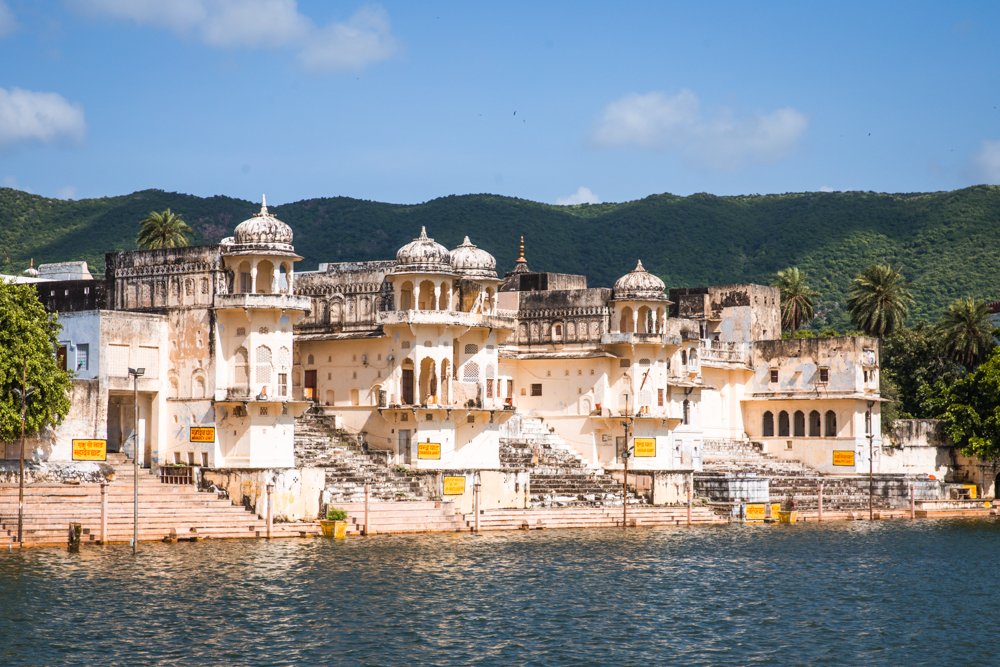
A road journey through Jaipur and Pushkar brings together the royal heritage of the Pink City and the spiritual, desert charm of a sacred town. Planning this circuit effectively requires thoughtful allocation of days, selecting the right travel routes, and booking stays that offer both comfort and local character.
Ideal Duration: How Many Days Do You Need?
To truly experience both destinations without rushing through landmarks, a 4-day and 3-night itinerary serves as the optimal timeframe.
- Day 1: Arrival and Jaipur Heritage: Dedicate your first afternoon to exploring the foundational history of the Kachwaha dynasty.
- Day 2: Full Day Jaipur Sightseeing: Cover the architectural wonders of Amber, Nahargarh, and the old walled city markets.
- Day 3: Journey to Pushkar: Drive from Jaipur to Pushkar in the morning, followed by evening lake rituals and desert exploration.
- Day 4: Pushkar Temples and Departure: Visit early morning temple sites before starting your onward journey or return transit.
The Best Travel Route: Jaipur to Pushkar
The road distance between Jaipur and Pushkar spans approximately 145 kilometers via the NH48 route through Kishangarh and Ajmer.
- Driving Route: Take the Jaipur-Ajmer Expressway (NH48), bypass or explore Ajmer, and take the scenic winding road over the Nag Pahar hills into Pushkar. The driving time typically ranges between 2.5 to 3.5 hours depending on highway traffic.
- Train Travel: Express trains frequently run from Jaipur Junction to Ajmer Junction. From Ajmer, local taxis or buses take approximately 30 minutes to climb into Pushkar valley.
- Local Transfers: Booking a verified travel agency in Rajasthan allows you to navigate the tolls, bypass traffic congestion, and ensure punctual transfers between both cities.
Curated Itinerary Breakdown
Days 1 & 2: Discovering the Pink City
Jaipur requires structured exploration due to the geographic spread of its monuments. Booking a dedicated Jaipur full day city tour ensures you cover the expansive Amber Fort, the water palace of Jal Mahal, the intricate façade of Hawa Mahal, and the astronomical instruments at Jantar Mantar seamlessly.
Take time in the evening to walk through Johari Bazaar and Bapu Bazaar to observe traditional block printing, gemstone cutting, and blue pottery artisan workshops.
Days 3 & 4: Spiritual Essence and Desert Vibes in Pushkar
Pushkar presents a stark, serene contrast to Jaipur’s busy avenues. Choosing a comprehensive Jaipur City Tour With Pushkar package lets you transition smoothly between regal palaces and the tranquil shores of the holy Pushkar Lake.
Key highlights in Pushkar include visiting the rare 14th-century Jagatpita Brahma Temple, attending the evening Maha Aarti at Varaha Ghat, and taking a camel safari across the nearby sand dunes during sunset.
Recommended Stays in Jaipur and Pushkar
Selecting accommodations that align with local hospitality elevates your travel experience across both locations.
Where to Stay in Jaipur
- Heritage Havelis (Bani Park & C-Scheme): Restored royal residences that provide authentic architectural details, courtyards, and home-style Rajasthani dining.
- Luxury Palaces (Amer Road & Civil Lines): High-end palace hotels featuring expansive gardens, spa services, and traditional evening folk performances.
- Boutique Hotels (Mansarovar & Malviya Nagar): Contemporary properties offering modern business amenities and quick highway connectivity.
Where to Stay in Pushkar
- Lakeside Heritage Guesthouses: Properties located directly along the ghats, offering panoramic views of the water rituals and temple spires.
- Desert Luxury Camps: Tented resorts positioned on the outskirts of the town, featuring bonfire evenings, folk dance showcases, and clear night-sky views.
- Eco-Resorts & Wellness Retreats: Secluded properties nestled against the Aravalli hills, offering yoga sessions, organic dining, and peaceful surroundings away from market crowds.
Practical Travel Tips for a Smooth Trip
- Best Season to Visit: Plan your travel between October and March when daytime temperatures remain pleasant for outdoor walking tours and desert excursions.
- Temple Etiquette: Remove footwear outside temple premises in Pushkar, dress modestly, and respect photography restrictions near bathing ghats and sanctums.
- Hydration and Footwear: Both cities involve considerable walking across stone courtyards and uphill fort inclines, making sturdy footwear and regular hydration essential.