
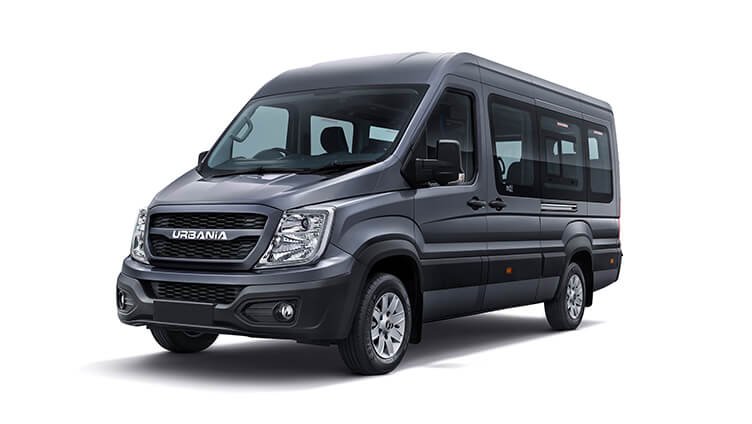
Planning a holiday with an extended family brings genuine excitement, but handling the logistics for eight, twelve, or twenty people across generations quickly exposes transportation bottlenecks. When managing grandparents who need easy boarding, energetic kids with restless legs, and hefty suitcases, selecting the right vehicle is the foundational decision of the entire vacation. Travelers regularly debate whether renting a single high-capacity passenger vehicle or coordinating multiple personal cabs makes more sense for a joint holiday.
Atithi Cab has managed road journeys across Rajasthan’s challenging highways, winding ghat passes, and congested walled-city bazaars for decades. Drawing from thousands of family itineraries, evaluating the differences between these two modes reveals which option best supports a seamless vacation.
Group Cohesion and the Shared Travel Experience
The most significant drawback of splitting a family across two or three sedans or compact SUVs is fragmented bonding. Vacations are designed for togetherness, yet separating into different cabs divides conversations, stops, and shared memories. One car might spot wildlife near the Aravalli hills while the other is stuck behind a slow truck; one vehicle wants tea while the other misses the highway dhaba entirely.
A single spacious passenger vehicle keeps everybody inside the same moving living room. Antakshari matches, spontaneous storytelling between cousins, and collective laughter happen uninterrupted. When families decide to book tempo traveller in Udaipur, the journey turns into an event of its own rather than a disconnected transfer.
Seating Comfort, Headroom, and Long-Distance Ergonomics
A standard private car or 7-seater SUV often feels constrained once loaded to maximum capacity. The third-row seating in consumer SUVs features low floorboards, minimal under-thigh support, and cramped knee room that leaves adults and teenagers stiff after just two hours on the highway.
Commercial multi-seater vans, such as 9-seater, 12-seater, 16-seater, and Maharaja configurations, are built with an upright cabin architecture:
- True standing headroom ranging from 5.5 to 6 feet allows passengers to stand up, stretch, and swap seats without halting the vehicle.
- Wide gangway aisles prevent people from climbing over folded seats to get out.
- Individual push-back reclining seats give every traveler independent back support, armrests, and personal space.
- Dedicated, high-output rooftop air-conditioning vents guarantee even cooling for rear rows, which typical rear-dash vents in compact cabs fail to deliver under harsh summer heat.
Luggage Logistics and Cabin Clutter
Car trunk space shrinks dramatically when all passenger seats are upright. Fitting six large trolley bags, baby gear, walkers, and regional shopping bags into two mid-size cabs frequently forces luggage into passenger footwells or onto laps, ruining travel comfort.
Commercial travel vans incorporate dedicated deep boot spaces behind the final row as well as heavy-duty exterior overhead carriers. Bulky suitcases, foldable wheelchairs, and cartons remain separated from the cabin floor, leaving the interior clean, open, and uncluttered throughout multi-day road trips.
Cost-Effectiveness: One Vehicle vs Multiple Bookings
From a pure accounting perspective, running multiple small cars multiplies logistical overhead:
- Fuel consumption and mileage charges accrue across two or three separate engines simultaneously.
- Highway toll booths, state border taxes, parking tickets at tourist forts, and driver allowances all triple or double.
- Coordinating parking spots for multiple cars outside bustling heritage monuments like City Palace or Amber Fort creates ongoing stress.
Consolidating your family into one commercial vehicle cuts toll transactions to a single pass, centralizes parking, and relies on one designated professional driver. For groups exceeding seven passengers, a single dedicated vehicle almost universally delivers a lower per-head cost than multiple private cabs.
Urban Maneuverability and Regional Excursions
Private cars hold a slight edge in narrow alleyways, tight U-turns, and crowded old-town lanes. If your trip involves only inner-city hop-offs in extremely dense old markets, a nimble sedan easily slips through. For that specific requirement, booking a flexible Jaipur sightseeing tour taxi or an inner-city cab lets couples and small nuclear units navigate heritage lanes effortlessly.
However, modern commercial vans like the Force Urbania and high-roof luxury travellers feature tight turning radiuses, power steering, and elevated ride heights that negotiate city ring roads, fort hill climbs, and interstate highways with stability. Professional chauffeurs accustomed to tourist routes know precisely where to park outside restricted pedestrian heritage zones, dropping groups right at palace gates before moving to tourist holding lots.
Driver Fatigue and Safety Assurance
Relying on family members to pilot multiple personal cars over long distances turns a vacation into exhausting work. Highway driving requires sustained alertness, and fatigue sets in quickly after hours behind the wheel. Choosing professional fleet rentals shifts that burden onto experienced chauffeurs who know local terrain, blind curves, speed camera positions, and ideal highway rest stops with hygienic restrooms.
Making the Right Choice for Your Family
If your traveling party consists of four to five people with light duffel bags, a private sedan or compact SUV remains a sensible, budget-friendly selection. But once your group count reaches seven or more, splitting into multiple vehicles sacrifices togetherness, inflates collective expenses, and complicates scheduling.
Choosing a spacious, professionally driven multi-seater van provides the legroom, panoramic window views, unified timetable, and relaxed social environment that transform a routine long-distance road trip into a memorable family vacation. Atithi Cab maintains dedicated fleets to ensure every family member travels in complete safety and comfort across every mile.