
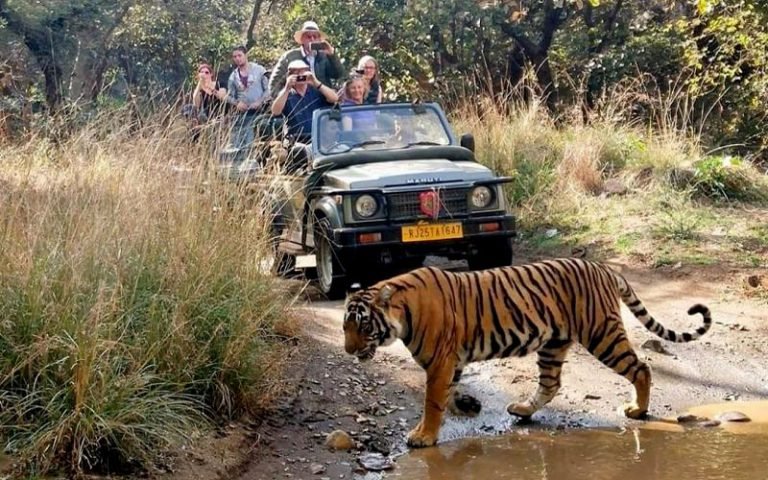
Planning a journey from the national capital to the untamed wilderness of Sawai Madhopur requires a balance of logistical precision and local wilderness insight. A well-orchestrated delhi to ranthambore tour allows travelers to transition seamlessly from urban sprawl to the ancient dry deciduous forests that shelter the Royal Bengal Tiger. Understanding transportation channels, realistic expenditure brackets, and lodging logistics guarantees an efficient, safe, and memorable excursion.
Best Travel Routes from Delhi to Sawai Madhopur
Travelers heading to the reserve have two primary transit choices: driving down via road corridors or boarding high-speed rail connections.
Driving via the Delhi-Mumbai Expressway
The most reliable roadway route proceeds via the Delhi-Mumbai Expressway (NE4). Covering approximately 380 kilometers, the road trip takes between 6 to 7 hours under normal driving conditions.
- Corridor breakdown: Depart from Delhi or Gurugram toward Sohna, enter the access-controlled NE4 expressway, and proceed towards the Dausa or Lalsot interchanges. From Lalsot, branch onto the state highway network leading directly into Sawai Madhopur town.
- Highway conditions: The expressway stretch features smooth tarmac, designated rest stops with fuel pumps, and clear directional signboards. The subsequent state road segment requires alert driving due to local agricultural transport and occasional cattle crossings.
- Essential travel tip: Start before 6:00 AM to bypass the morning bottle-necks around Gurugram and Badshahpur.
Taking the Rail Network
Rail transit remains the fastest and most relaxing alternative. Sawai Madhopur Junction (SWM) sits directly on the main Delhi-Mumbai railway corridor, accommodating several superfast daily trains.
- Key train connections: Notable options include the Kota Jan Shatabdi Express (departing Hazrat Nizamuddin), the Golden Temple Mail, and various Rajdhani departures.
- Travel duration: Train journeys generally range from 3.5 to 5 hours, dropping passengers less than 15 kilometers from the entry gates of the tiger reserve.
- Station transfers: Pre-arranged hotel pickups or registered local prepaid taxis are readily accessible outside the platform exits.
Comprehensive Trip Cost Estimation
Budgeting for this wildlife getaway requires factoring in transit, mandatory forest department permits, guided safari allocations, food, and hospitality expenses.
Transportation Expenses
- Fuel and toll charges: Driving a private vehicle or rented SUV requires accounting for round-trip fuel alongside electronic expressway toll levies.
- Chauffeur-driven outstation cabs: Round-trip sedan or SUV hires from Delhi operate on consolidated packages covering driver allowances and interstate road taxes.
- Train ticketing: Rates vary depending on the chosen class of travel, ranging from executive chair car compartments to multi-tier air-conditioned sleeper berths.
Safari Booking Fees
Safari permits are administered directly by the Rajasthan Forest Department and must be secured well in advance of your travel dates.
- Open 6-Seater Gypsy: An intimate open-top vehicle choice ideal for photographers and wildlife enthusiasts seeking maneuverability on narrow jungle tracks.
- 20-Seater Safari Canter: A communal open-top bus option ideal for bigger families or group travelers looking for elevated viewing angles across open grasslands.
- Guide & driver gratuities: While discretionary, offering customary gratuities to your designated nature guide and tracker reflects standard field etiquette for dedicated tracking efforts.
Accommodation and Meals
- Budget properties: Basic guesthouses along Ranthambore Road cater to backpackers seeking essential sleeping quarters and basic dining.
- Mid-scale and boutique jungle resorts: High-comfort stays featuring landscaped lawns, swimming pools, and multicuisine dining represent the core hospitality standard in the valley.
- Luxury wildlife retreats: Premium heritage properties and glamping enclaves offer signature bush dinners, curated private naturalists, and wellness amenities.
Choosing the Right Accommodation
Where you stay significantly influences the quality of your safari itinerary. Morning safari departures require gate arrivals by 6:00 AM, making resort location a decisive factor.
Strategic Location Along Ranthambore Road
Staying along the primary arterial corridor connecting Sawai Madhopur railway station to the park gates minimizes morning commute times. Lodging along this belt ensures smooth pickups by official forest safari vehicles without long detours through surrounding villages.
Property Amenities for Wildlife Travelers
When reviewing resorts, verify that the property provides specialized safari support:
- Packed safari breakfasts: Essential for travelers heading out on extended dawn drives before restaurant service commences.
- On-site naturalist discussions: Knowledgeable property guides help decode bird calls, pugmarks, and territory movements before you enter the park.
- Quiet environment: Serene, sprawling grounds bordered by indigenous trees offer much-needed rest between rigorous trail excursions.
For an authentic stay combining traditional Rajasthani hospitality with proximity to the wilderness core, reserving rooms at the best resort in Ranthambore provides convenient access to safari pickup points, comfortable cottage rooms, and dependable local tour coordination.
Field Tips for an Optimal Wildlife Experience
- Zone distribution: Ranthambore National Park is split into ten distinct zones. Zones 1 through 5 constitute the core heritage territory with historic water bodies, while zones 6 through 10 encompass outer ridgelines and plateaus. Tigers traverse both sections, so book multiple drives across varying zones to maximize sighting opportunities.
- Clothing protocol: Choose earthy tones such as khaki, olive, brown, and beige. Bright fluorescents irritate wildlife and break visual camouflage.
- Seasonal preparation: Winter mornings (November to February) are extremely chilly in open-air vehicles, necessitating heavy jackets, gloves, and beanies. Summer months (April to June) bring scorching afternoon heat requiring hats, linen fabrics, and continuous hydration.