


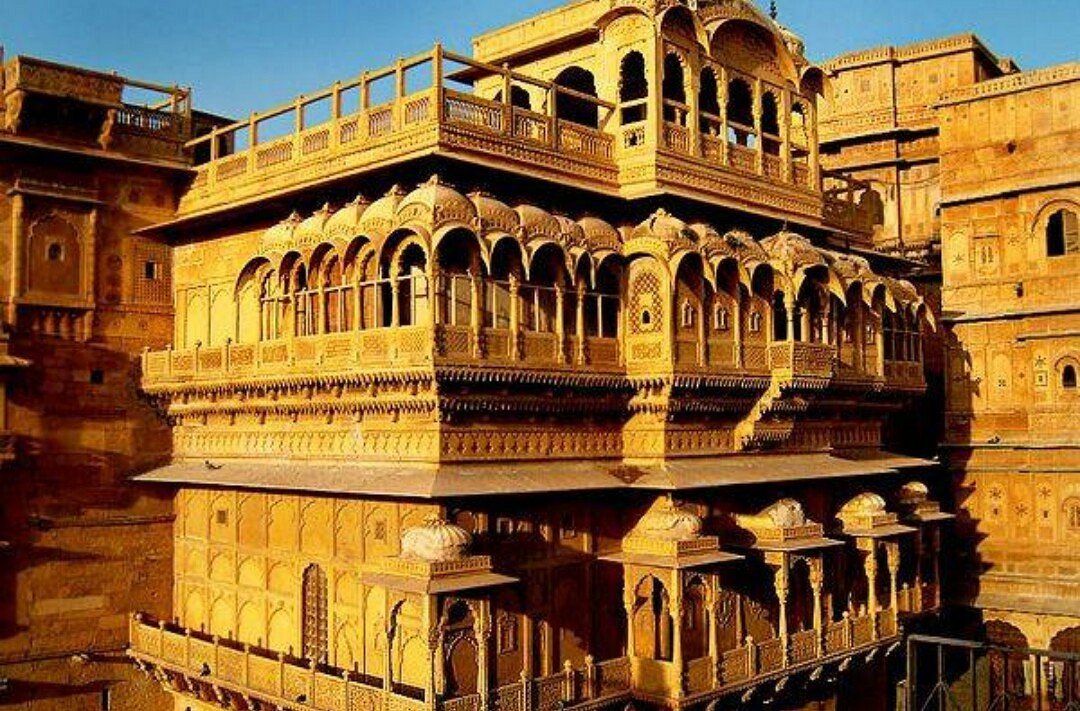
When you first step into the narrow lanes of the Golden City, the sheer scale of the architecture can be overwhelming. However, to truly understand the soul of Rajasthani craftsmanship, one must look closer at the intricate carvings of patwon ki haveli. This cluster of five grand mansions, built over a span of fifty years in the 19th century, represents the pinnacle of wealth and artistic dedication. While most visitors admire the facade and move on, the real magic lies in the minute details—the hidden symbols in the stone, the cooling systems of a bygone era, and the personal stories etched into the yellow sandstone. Navigating these details is often best done with the insight of a local tour operator in Jaisalmer who can point out the subtle nuances that typical guidebooks might overlook.
The Architectural Grandeur of the Five Havelis
The complex is not a single building but a series of five separate houses built for five brothers of the wealthy Patwa family, who made their fortune in brocade and jewelry. The first haveli is undoubtedly the most opulent, featuring over sixty balconies, each boasting a unique design. If you look closely at the “jalis” or stone-latticed screens, you will notice that no two patterns are exactly alike. These weren’t just for decoration; they served a functional purpose, allowing women of the household to observe the street below while remaining unseen, all while facilitating a natural breeze that acted as an ancient form of air conditioning. For those arriving via a Jaisalmer taxi service, the sight of the sun hitting these balconies at midday creates a golden glow that explains why this stone is so revered.
The Enigmatic Stone Carvings and Symbols
The stone carvers of the 1800s were masters of storytelling. As you walk through the archways, look for the miniature carvings of animals and floral motifs. Unlike the stiff, formal patterns found in many forts, the carvings here have a certain fluidity. You might spot a tiny parrot tucked into a corner of a window frame or a lotus bud about to bloom on a pillar. These symbols represented prosperity and longevity. The precision is so high that the stone often resembles wood or fine lace rather than heavy desert rock. It is this level of detail that demands a slow, methodical pace of exploration to truly appreciate the labor of love that went into every square inch of the walls.
The Interior Murals and Gold Work
While the exterior is a masterclass in stonework, the interiors house a different kind of treasure. Several rooms within the haveli feature remnants of gold-leaf paintings and vibrant murals. These paintings depict scenes from daily life, royal processions, and mythological tales. In the primary living quarters, the ceilings are adorned with intricate patterns that have survived the desert heat for over a century. The use of natural pigments—derived from crushed stones, vegetables, and minerals—ensures that the colors, though faded, still retain a haunting beauty. Observing the transition from the rugged exterior to the delicate, painted interior provides a fascinating look into the private lives of Jaisalmer’s elite merchant class.
The Museum of Merchant Life
One of the havelis has been meticulously converted into a museum, showcasing the lifestyle of the Patwa family. Here, you can see the “Tijoris” (heavy iron safes) used to store gold and silver, as well as traditional kitchen utensils made of copper and brass. The museum also displays the famous “Gota Kinari” work—the gold and silver thread embroidery that the Patwas were famous for trading. Looking at these artifacts helps bridge the gap between the architecture and the people who lived within it. It transforms the building from a mere monument into a living history of the Silk Road trade that once pulsed through the heart of the Thar Desert.
The Rooftop Views and Structural Engineering
Climbing to the upper floors reveals the incredible engineering of the haveli. The staircases are narrow and steep, designed partly for defense and partly to maximize living space. Once you reach the rooftop, the view of the Jaisalmer Fort (Sonar Quila) is unparalleled. From this vantage point, you can see how the haveli was positioned to catch the wind and provide shade to the streets below. The rooftop also reveals the drainage systems and the way the five buildings interconnect, showcasing an early understanding of urban planning and communal living among the wealthy elite.
Practical Tips for Your Visit
To see these details clearly, timing is everything. The early morning light or the soft glow of the late afternoon is best for photography, as the shadows accentuate the depth of the stone carvings. Wear comfortable shoes, as the floors can be uneven, and be prepared to spend at least two hours if you want to see all five sections of the complex. Engaging with a local guide is highly recommended, as they can explain the specific meanings behind the various architectural flourishes that are unique to the Patwa legacy.
Experiencing Jaisalmer Beyond the Haveli
A visit to Patwa Ki Haveli is a journey into the heart of Jaisalmer’s golden age. It stands as a testament to what is possible when wealth meets artistic vision. Once you have explored the depths of the haveli, the rest of the city waits. Whether you are heading to the sand dunes for a sunset camel trek or exploring the hidden corners of the fort, the craftsmanship you witnessed at the haveli will change the way you look at every stone in this desert jewel. The story of the Patwas is the story of Jaisalmer itself—resilient, beautiful, and intricately detailed.


