


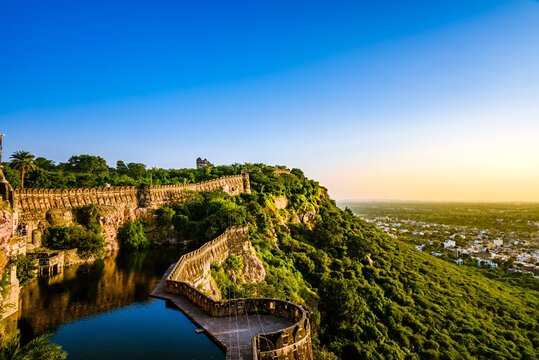
Chittorgarh stands as a monumental testament to Rajput bravery, sacrifice, and architectural brilliance. As you plan your journey through the heart of Rajasthan, securing a reliable Udaipur to Chittorgarh taxi service ensures you experience the rugged landscape and historical grandeur with complete peace of mind. This city is not merely a collection of ruins; it is a living chronicle of Mewar’s soul, where every stone tells a story of valor. From the sprawling heights of the fort to the serene banks of its ancient kunds, Chittorgarh offers an immersive dive into India’s royal past that remains unparalleled.
1. The Magnificent Chittorgarh Fort
The UNESCO World Heritage site is the primary reason travelers flock to this region. Spanning over 700 acres, it is often cited as the largest fort in India. Its fish-shaped structure sits atop a high hill, overlooking the modern town. Walking through its seven massive gates, or “Pol,” you immediately feel the weight of history. The fort has survived three major sieges, and the tales of Jauhar and defiance resonate within its high stone walls. It is a place where architecture serves both defensive and aesthetic purposes.
2. Vijay Stambha (Tower of Victory)
Built by Maharana Kumbha to commemorate his victory over the armies of Malwa and Gujarat, this nine-story tower is an architectural marvel. Standing at 37 meters, the tower is intricately carved with Hindu deities, celestial bodies, and musical instruments. Climbing the narrow stairs to the top provides a breathtaking panoramic view of the entire fort complex. The craftsmanship displayed here highlights the expertise of medieval Indian artisans, making it a must-visit for history enthusiasts.
3. Kirti Stambha (Tower of Fame)
Smaller than Vijay Stambha but equally mesmerizing, the Kirti Stambha is a 22-meter-high tower dedicated to Rishabhdev, the first Jain Tirthankara. Built by a Jain merchant in the 12th century, it is adorned with figures from the Digambara sect. This structure reflects the religious diversity and cultural richness that flourished under the patronage of the Mewar rulers, showcasing a blend of spiritual devotion and artistic finesse.
4. Padmini’s Palace
Set amidst a beautiful lotus pool, Padmini’s Palace is a white, three-storied building that exudes elegance. This was the residence of Queen Padmini, whose beauty is legendary. Historical accounts suggest this is where Alauddin Khalji caught a glimpse of the queen’s reflection, leading to the historic siege of the fort. The surrounding water creates a cooling effect, and the reflection of the palace in the pond offers a serene sight, especially during the golden hour of sunset.
5. Rana Kumbha Palace
The Rana Kumbha Palace is one of the oldest structures within the fort and is believed to be the birthplace of Maharana Udai Singh, the founder of Udaipur. Though now largely in ruins, the palace still retains its majestic aura. It features underground cellars where Queen Padmini is said to have performed Jauhar. Exploring the arched entries and courtyards gives visitors a raw look at the residential lifestyle of the Rajput royalty during the 15th century.
6. Gaumukh Reservoir
Named after its shape, which resembles the mouth of a cow, this deep water reservoir is a spiritual oasis. Natural springs flow through a carved stone cow’s mouth into the tank. Even during the peak of summer, the water remains remarkably cool. It was a primary source of water for the fort’s inhabitants during sieges. Pilgrims often visit to feed the fish and take in the tranquil atmosphere that provides a sharp contrast to the battle-hardened walls surrounding it.
7. Meera Temple
Dedicated to the mystic poetess Meera Bai, this temple is a masterpiece of Indo-Aryan architecture. Built by Maharana Kumbha, it sits in the same complex as the Kumbha Shyam Temple. Meera Bai’s devotion to Lord Krishna is legendary, and the temple serves as a reminder of her spiritual journey. The intricate carvings on the exterior and the peaceful sanctum within make it a hub for those seeking a moment of reflection amidst their hectic travel schedule.
8. Kalika Mata Temple
Originally built as a Sun Temple in the 8th century and later converted into a temple for Goddess Kali, this structure is one of the oldest in the fort. The architecture reflects the Pratihara style, with detailed carvings on the pillars and ceilings. It remains an active place of worship, where the vibrant energy of local devotees adds a layer of contemporary culture to the ancient surroundings. The temple’s elevated platform provides another excellent vantage point for photography.
9. Fatehsagar Niwas (Ratan Singh Palace)
Located near the Ratneshwar Lake, this palace was the winter residence of the royal family. It is less crowded than the main palaces, offering a quieter experience. The palace features impressive domes and high towers that look out over the water. The lush greenery surrounding the lake makes it a perfect spot for those who want to appreciate the natural beauty of the Aravalli range while exploring the historical nuances of the Mewar dynasty.
10. Sanwariya Seth Temple
While located a short drive away from the main fort, the Sanwariya Seth Temple is an essential stop for travelers in the region. Dedicated to Lord Krishna, this modern temple complex is famous for its stunning glasswork and grand marble architecture. Many travelers find that booking a reliable Udaipur tempo traveller is the most comfortable way to visit both the fort and this spiritual landmark, especially when traveling with family or large groups.
Chittorgarh is a destination that demands time and respect. It is not a place to be rushed through. To truly appreciate the layers of history, one must walk the ramparts, sit by the reservoirs, and listen to the local guides tell stories of sacrifice. Whether you are a solo backpacker or a family on a cultural pilgrimage, the heritage of Chittorgarh leaves an indelible mark on your soul, reminding us of a time when honor was valued above life itself.


