


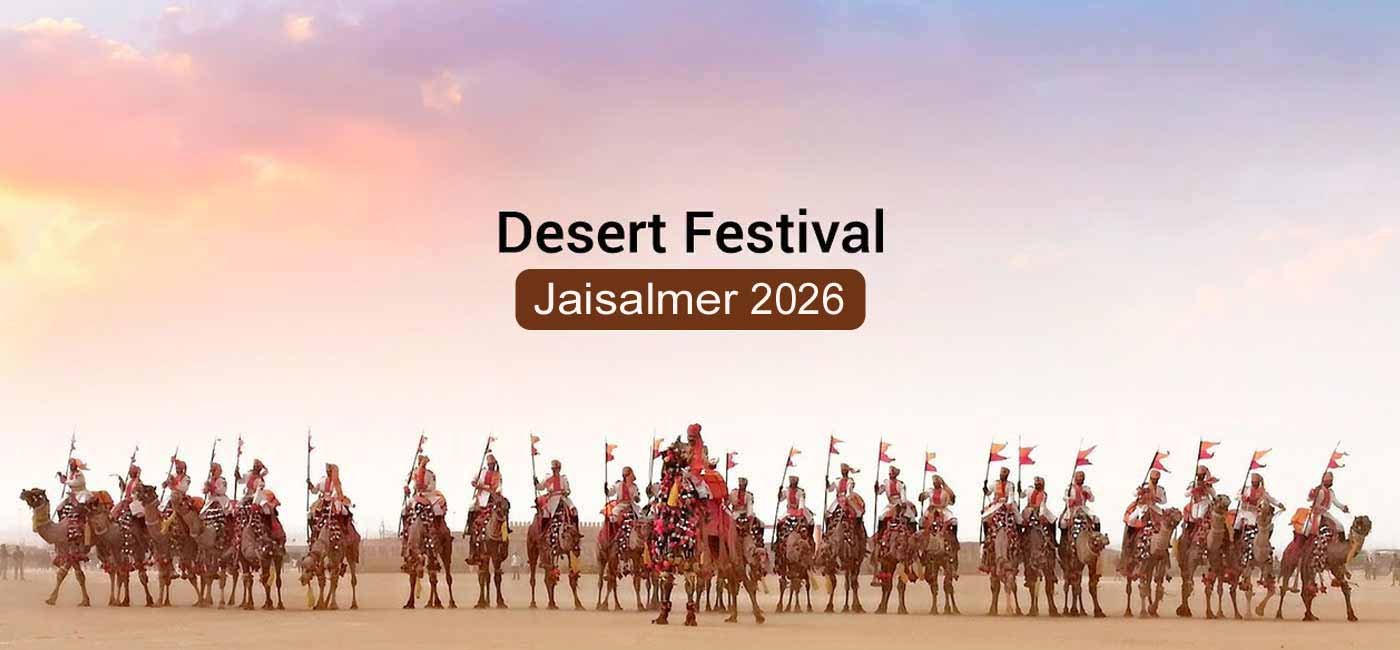
Planning a winter trip to Rajasthan often begins with the idea of staying at a camp in sand dunes Jaisalmer and timing your visit around the region’s most iconic cultural celebration. Held annually in the heart of the Thar Desert, the Jaisalmer Desert Festival 2026 is a vibrant showcase of folk traditions, desert lifestyle, and centuries-old heritage that attracts travelers from across India and around the world.
What Makes the Desert Festival So Special
The desert festival is not just an event; it is a living expression of Rajasthan’s identity. Organized by the tourism authorities and local cultural groups, it brings together performers, artisans, camel breeders, and storytellers from surrounding villages. The golden sandstone architecture of Jaisalmer provides a dramatic backdrop, while the open dunes of Sam amplify the sense of scale and authenticity. Visitors often describe the festival as immersive because it allows them to observe and participate in customs that are still practiced daily in rural desert communities.
Dates, Location, and Setting
The 2026 edition is expected to take place over three days in February, when the desert climate is pleasant during the day and cool at night. Most activities are centered around Sam Sand Dunes and key open grounds near the city. Choosing accommodation close to the dunes helps visitors avoid long travel times and experience sunrise and sunset moments that define the desert landscape. This setting plays a major role in why the festival feels different from urban cultural events.
Cultural Performances and Folk Traditions
Music and dance form the soul of the celebration. Traditional Manganiyar and Langa musicians perform haunting melodies using instruments like the kamaicha and dholak. Kalbelia dancers, known for their fluid movements and intricate costumes, perform against the backdrop of shifting sand. Puppet shows, fire dances, and storytelling sessions give deeper insight into desert folklore and the values of nomadic life. These performances are curated by local experts, ensuring cultural accuracy and respect for tradition.
Competitions and Interactive Experiences
One of the most anticipated aspects of the festival is its friendly competitions. Camel decoration contests, turban-tying challenges, and mustache competitions highlight regional pride and humor. Visitors are encouraged to watch closely, as judging criteria often involve traditional standards passed down through generations. For travelers seeking hands-on experiences, craft stalls and food counters offer a chance to interact directly with artisans and taste authentic Rajasthani dishes prepared using age-old recipes.
Food, Crafts, and Local Economy
The festival plays a significant role in supporting the local economy. Handcrafted jewelry, leather goods, embroidered textiles, and miniature artwork are sold directly by makers. Food stalls serve dal baati churma, ker sangri, and desert sweets that reflect the ingenuity of cooking in arid conditions. Buying directly from these vendors not only enhances the visitor experience but also supports sustainable tourism practices in the region.
Where to Stay During the Festival
Accommodation during the festival ranges from city hotels to desert camps near Sam. Many travelers prefer desert camps for their proximity to evening programs and their ability to offer stargazing and cultural dinners after festival hours. Options like a Luxury Swiss Tent In Jaisalmer combine modern comfort with traditional aesthetics, making them suitable for families, couples, and international visitors seeking both authenticity and reliability.
Travel Tips for First-Time Visitors
To make the most of your visit, plan bookings well in advance, as demand peaks during festival dates. Carry light woolens for evenings and comfortable footwear for walking on sand. Respect local customs, especially during performances and competitions, by asking before taking photographs. Staying hydrated and following guidance from local hosts ensures a safe and enjoyable experience in the desert environment.
Why the 2026 Edition Is Worth Planning For
Each year, the festival evolves while staying rooted in tradition. The 2026 celebration is expected to place greater emphasis on responsible tourism, cultural preservation, and visitor education. For travelers who value meaningful experiences over surface-level sightseeing, this event offers a rare opportunity to understand desert life through music, art, and community interaction.
In summary, attending the Jaisalmer Desert Festival is about more than entertainment. It is about witnessing living heritage in its natural setting, engaging with knowledgeable locals, and building trust in experiences shaped by generations. With thoughtful planning and the right stay, the festival becomes a highlight of any Rajasthan journey and a memory closely tied to the timeless beauty of the Thar Desert.


