


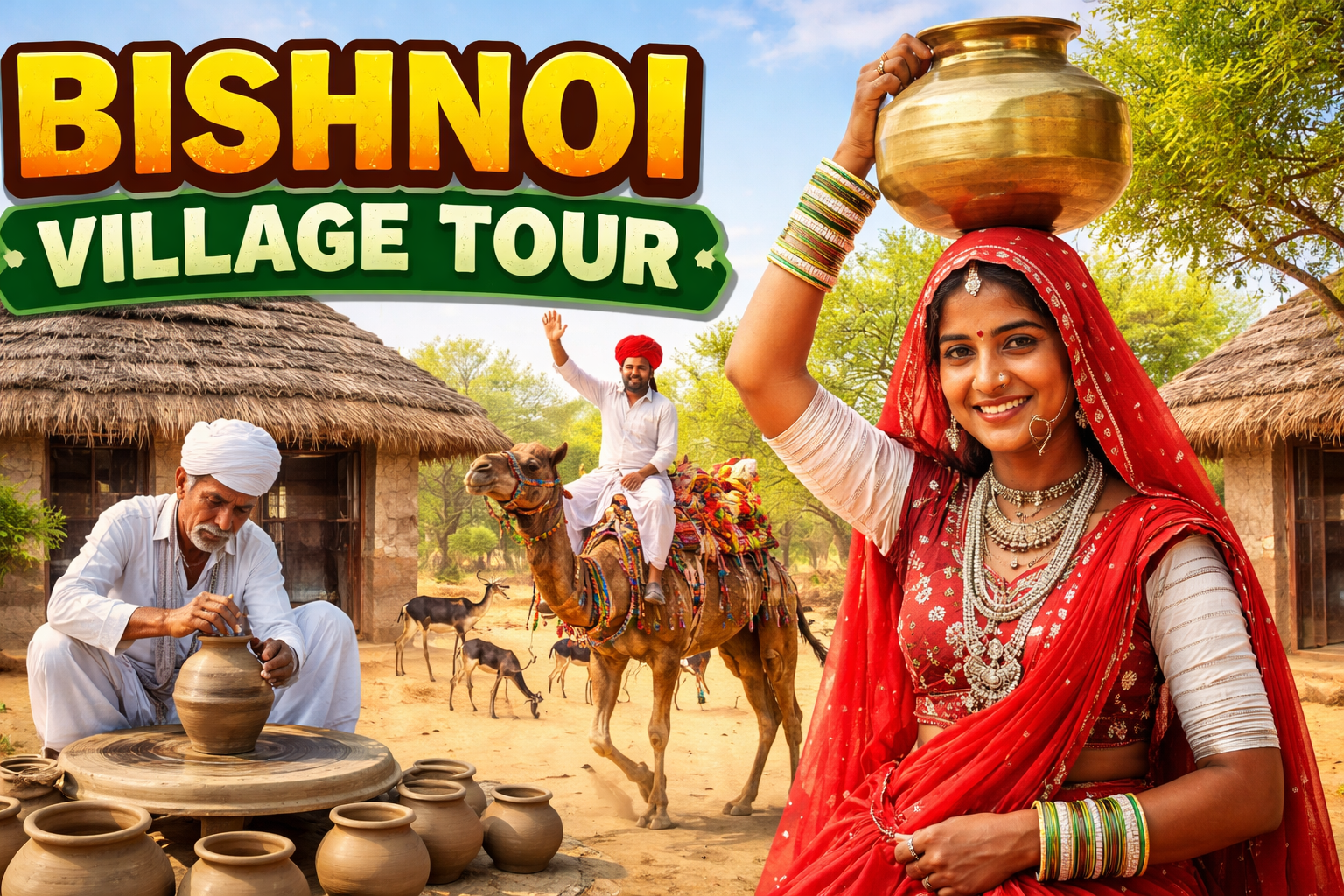
The outskirts of Jodhpur hold more than just the shifting sands of the Thar Desert; they house a living testament to environmental conservation and ancient tribal wisdom. For those looking to step away from the grandeur of forts and palaces, a venture into the rural heartland offers a profound look at the Bishnoi community. Known globally as the first environmentalists of India, the Bishnoi people have lived by a set of 29 tenets for centuries, prioritizing the protection of nature above all else. Exploring these villages provides a rare opportunity to witness a lifestyle that remains harmoniously intertwined with the local ecosystem.
To truly understand the depth of this culture, one must look beyond the surface of the rustic mud houses and colorful attire. The essence of the experience lies in the daily rituals and the unwavering commitment to wildlife. Whether it is the sighting of a graceful blackbuck near a homestead or the intricate craftsmanship of a local potter, every moment in these villages tells a story of resilience and respect for the earth. Taking the time to Discover Bishnoi Culture on a Village Tour Near Jodhpur City allows travelers to engage with a community that has successfully balanced human necessity with ecological preservation.
The 29 Principles and the Legacy of Conservation
The identity of the Bishnoi community is rooted in the teachings of Guru Jambheshwar, who founded the sect in the 15th century. He provided his followers with 29 principles, or “rules,” which govern everything from personal hygiene to social behavior. However, the most famous of these rules are those that forbid the felling of green trees and the killing of animals. This spiritual mandate has created a unique landscape where wild animals do not fear humans. It is common to see chinkaras and peacocks roaming freely around the settlements, treated as members of the extended family.
History remembers the Bishnoi for their ultimate sacrifice during the Khejarli massacre of 1730. Amrita Devi and hundreds of others gave their lives to protect the sacred Khejri trees from being cut down by the Maharaja’s men. This legacy of “tree-hugging” served as the original inspiration for modern environmental movements like Chipko. Today, the Khejri tree remains the lifeline of the desert, providing shade, fodder, and fuel, and it is still fiercely protected by the villagers. Visiting these sites offers a sobering and inspiring look at what it means to stand up for the natural world.
Traditional Crafts and Sustainable Livelihoods
A visit to the villages near Jodhpur is also an exploration of Rajasthani artistry. The Bishnoi are skilled artisans who have preserved traditional methods of production for generations. One of the most captivating sights is the pottery demonstration, where craftsmen use manual wheels to create functional art from local clay. The precision and speed with which they shape water pots and decorative items are a testament to years of apprenticeship and dedication. These items are not just souvenirs; they are essential tools for desert living, designed to keep water cool during the blistering summer months.
In addition to pottery, the region is famous for its Durry (rug) weaving. Using hand-operated looms, weavers create intricate geometric patterns using camel hair or cotton. These rugs are known for their durability and vibrant colors, often reflecting the earthy tones of the desert. For many families, weaving is a communal activity that sustains the local economy while keeping ancestral designs alive. By interacting with these artisans, visitors gain insight into a slow-fashion movement that existed long before the term became a global trend.
The Opium Ceremony and Social Customs
One of the most distinct social traditions in the Bishnoi heartland is the “Amal Sabha” or the opium ceremony. Historically, opium has played a significant role in the social fabric of Western Rajasthan, used as a gesture of hospitality, a peace offering, or a way to mark important life events. During the ceremony, filtered opium water is offered to guests from the palm of the host’s hand. While the medicinal and recreational use is strictly regulated today, the ritual remains a symbol of brotherhood and mutual respect among the village elders.
Beyond the ceremonies, the architecture of the Bishnoi “Dhannas” (homesteads) is worth noting. The round huts with thatched roofs are expertly designed to stay cool in the heat and warm during the cold desert nights. Life here is communal and simple. Visitors are often struck by the cleanliness of the homes and the vibrant traditional clothing worn by the women, featuring deep reds and oranges that contrast beautifully against the golden sand. The hospitality is genuine, often involving a simple meal of bajra roti (millet bread) and lahsun ki chutney (garlic sauce) cooked over an open fire.
Navigating the Desert Terrain
Planning a trip to these remote areas requires reliable transportation, as the terrain can be challenging for those unfamiliar with desert tracks. Most travelers find that hiring a professional jodhpur taxi is the most efficient way to reach the various hamlets spread across the region. Having a local driver who understands the routes ensures that you spend more time interacting with the villagers and less time navigating unmarked roads. It also provides the flexibility to stop for wildlife photography whenever a herd of blackbucks appears on the horizon.
For a structured experience that covers the most significant cultural spots—including the potter’s house, the weaver’s loom, and the Guda Bishnoi Lake—booking a dedicated bishnoi village tour from jodhpur is highly recommended. These tours are designed to be respectful of the local community’s privacy while providing educational insights into their way of life. Whether you are a photography enthusiast, a history buff, or someone looking for spiritual peace, the desert villages offer a profound contrast to the hustle and bustle of city life, leaving every visitor with a deeper appreciation for the delicate balance of nature.


