


Sawai Madhopur, often celebrated as the gateway to one of India’s most renowned national parks, is a destination that balances rugged wilderness with rich historical charm. For families planning a getaway, finding a comfortable and strategically located resort in Ranthambore is the first step toward a seamless vacation. While the thrill of the jungle is the primary draw, the city of Sawai Madhopur itself offers a tapestry of cultural experiences, ancient architecture, and local traditions that provide a holistic educational experience for children and a relaxing retreat for adults. Navigating this vibrant Rajasthani town requires a blend of adventurous spirit and organized planning to ensure every family member finds something to cherish.
Exploring the Majestic Ranthambore Fort
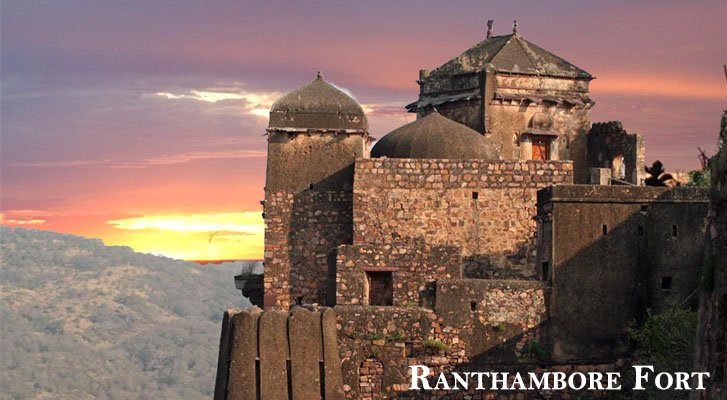
No family trip to the region is complete without ascending the heights of the UNESCO World Heritage Site, Ranthambore Fort. Built in the 10th century, this formidable structure stands atop a high plateau, offering panoramic views of the surrounding park and lakes. Walking through its massive gates, such as the Hathi Pol and Ganesh Pol, allows families to step back in time. The fort is not just a relic of military prowess but a living piece of history. Inside, the Trinetra Ganesha Temple is a major focal point. It is one of the oldest temples in Rajasthan, and interestingly, people from all over India send wedding invitations and letters to Lord Ganesha here. Witnessing the priest read out these letters is a unique cultural experience for children, teaching them about local faith and community traditions in an engaging environment.
Adventures in the Wild: Safari Experiences
The heartbeat of Sawai Madhopur lies in its biodiversity. Engaging in a Ranthambore Jungle Safari is often the highlight of any family itinerary. To make the most of this, it is essential to understand the zone system of the park. While the elusive Bengal tiger is the star attraction, the ecosystem is home to leopards, sloth bears, striped hyenas, and over 300 species of birds. For families with younger kids, opting for a “canter” (an open-top bus) can be a fun, social way to see the park, while smaller “gypsies” offer a more private and quiet encounter with nature. Naturalists often accompany these trips, providing expert insights into animal tracking and forest conservation, turning a simple ride into a profound lesson in ecology.
Cultural Immersion at the Rajiv Gandhi Regional Museum
To deepen your family’s understanding of the natural world before or after your safari, a visit to the Rajiv Gandhi Regional Museum of Natural History is highly recommended. As India’s fourth regional museum of natural history, it serves as an excellent educational hub. The exhibits focus on the flora, fauna, and geology of Western India. It is designed to be interactive, making it much more than a silent gallery. Children can learn about the importance of apex predators in maintaining ecological balance and see life-sized depictions of the region’s wildlife. The museum’s layout is spacious, allowing families to explore at their own pace without the hustle of the more crowded tourist spots.
The Charm of Local Craftsmanship and Shilpgram
Beyond the monuments and the forest, Sawai Madhopur is a hub for traditional Rajasthani crafts. Shilpgram, a craft village located near the museum, is an ideal spot for families to interact with local artisans. Here, you can witness the intricate process of block printing, pottery, and the creation of the famous “Ranthambore paintings” which often depict tigers and jungle scenes. Participating in a small workshop or watching a live demonstration allows children to appreciate the labor and skill behind everyday objects. It is also the perfect place to pick up authentic souvenirs, ensuring that your travel budget supports the local community directly.
Essential Tips and Things to Do in Sawai Madhopur
When planning your daily schedule, it is vital to keep the local climate and travel distances in mind. There are numerous Things to Do in Sawai Madhopur that cater to different energy levels. For a quiet afternoon, a visit to the Padam Talao lake at sunset offers a stunning photographic opportunity as the sunlight reflects off the Jogi Mahal. If your family enjoys photography, the ruins surrounding the lake provide a hauntingly beautiful backdrop. Always remember to carry sufficient water, wear earth-toned clothing to blend into the natural surroundings during excursions, and respect the silence of the forest and the sanctity of the temples.
Savoring Local Flavors
A family journey is incomplete without indulging in the local culinary delights. Sawai Madhopur offers a range of flavors that are distinct to the Mewar region. While many resorts offer multi-cuisine menus, venturing out to try authentic Dal Baati Churma or Ker Sangri provides a true taste of Rajasthan. Many local eateries are family-run and take great pride in their hospitality. For children who might be wary of spicy food, the local sweets like Mawa Kachori or Ghevar are usually a huge hit. Dining together in a traditional setting provides a moment to reflect on the day’s adventures and plan the next morning’s trek or safari.
Best Time for a Family Visit
Timing is everything when visiting this part of Rajasthan. The park is typically open from October to June. The winter months (October to March) are the most comfortable for sightseeing in the city and the fort, as the weather is cool and pleasant. However, if your family is keen on wildlife photography, the warmer months of April and May offer the best visibility for tiger sightings as animals frequent the watering holes more often. Regardless of when you visit, the combination of history, nature, and culture in Sawai Madhopur ensures that every family member returns home with a story to tell.
By focusing on a balance of adventure and education, a trip to Sawai Madhopur becomes more than just a vacation; it becomes a formative experience. The blend of the wild and the ancient creates a unique environment where families can bond away from the distractions of modern digital life.


