
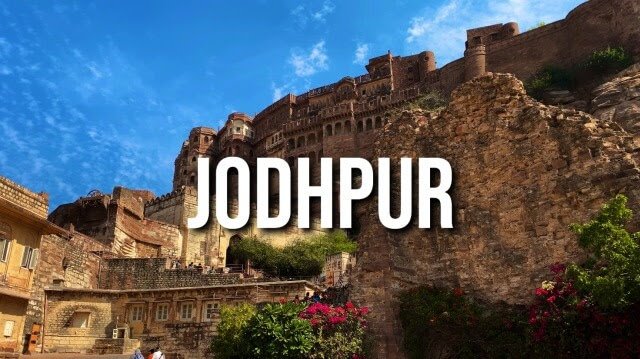
Stepping into the Blue City is like walking through a living museum where every sandstone brick tells a story of chivalry, art, and an enduring cultural legacy. To truly absorb the essence of this majestic destination, travelers often seek a reliable taxi in jodhpur to navigate the winding streets that lead from the bustling markets to the quiet, azure-hued alleys of the old city. Jodhpur, established by Rao Jodha in 1459, remains a focal point of Rajasthan’s tourism, offering a perfect blend of architectural grandeur and rustic desert charm. The city’s identity is deeply rooted in its vibrant heritage, which is preserved not just in its monuments but in the daily lives of its people, their traditional attire, and their world-renowned hospitality.
The Architectural Marvel of Mehrangarh Fort
Dominating the skyline from a perpendicular cliff, Mehrangarh Fort stands as a testament to the engineering brilliance of the Rathore clan. This formidable structure, rising 410 feet above the city, is one of the largest forts in India. As you enter through the massive gates, the transition from the chaotic city noise to the silent dignity of the fort’s courtyards is palpable. The intricate carvings on the Phool Mahal (Flower Palace) and the Sheesh Mahal (Mirror Palace) showcase a level of craftsmanship that is rarely seen in modern architecture. For history enthusiasts, the fort museum houses an impressive collection of palanquins, royal costumes, and armory, providing a deep dive into the lifestyle of the Marwar royalty.
Discovering the Serenity of Jaswant Thada
A short distance from the fort lies Jaswant Thada, often referred to as the “Taj Mahal of Marwar.” Built out of thin, polished sheets of marble, this cenotaph glows with a warm radiance when hit by the morning sun. It serves as a peaceful retreat from the city’s hustle. The memorial is surrounded by tiered gardens and a small lake, offering a picturesque view of the Mehrangarh Fort in the distance. Exploring these sites as part of a comprehensive jodhpur sightseeing tour ensures that visitors don’t miss the subtle nuances of these historical landmarks, allowing for a structured yet immersive experience through the royal annals of Rajasthan.
The Grandeur of Umaid Bhawan Palace
While the old forts represent the city’s ancient roots, Umaid Bhawan Palace represents its modern regal history. Completed in 1943, it is one of the world’s last great palaces. Built with the same golden-yellow desert sandstone used throughout the city, the palace is divided into three parts: a luxury hotel, the residence of the former royal family, and a museum open to the public. The museum features an eccentric collection of vintage clocks and cars, highlighting the global influences that shaped the royal family’s tastes during the early 20th century. The palace’s sprawling lawns and art deco interiors offer a stark, sophisticated contrast to the rustic charm of the old city.
Immersive Desert Experiences
No journey to the gateway of the Thar is complete without venturing into the golden sands that surround the city. For those looking to experience the raw beauty of the desert, embarking on a camel safari in Jodhpur is an essential activity. Riding through the undulating dunes during sunset provides a unique perspective on the rural life of Rajasthan. These safaris often lead to traditional Bishnoi villages, where conservation and coexistence with nature are a way of life. Observing the local wildlife, such as the Blackbuck and Chinkara, in their natural habitat adds a layer of ecological awareness to the travel experience, bridging the gap between urban tourism and rural preservation.
Navigating the Vibrant Bazaars
The heart of Jodhpur beats in its crowded marketplaces, particularly around the iconic Clock Tower (Ghanta Ghar). The Sadar Market is a sensory explosion of colors, scents, and sounds. Here, travelers can find high-quality textiles, hand-embroidered leather shoes (Mojaris), and authentic spices. The city is famous for its “Mathania” red chilies and traditional sweets like Mawa Kachori. Navigating these markets requires a bit of patience and a lot of curiosity, as the best finds are often tucked away in small, unassuming shops. Engaging with local artisans provides insight into the centuries-old techniques used to create the famous Jodhpuri Bandhani fabrics that are sought after globally.
Cultural Festivals and Traditions
Jodhpur is a city that loves to celebrate. The Rajasthan International Folk Festival (RIFF) held at Mehrangarh Fort brings together musicians and performing artists from across the globe, creating a cross-cultural dialogue through art. Similarly, the Marwar Festival showcases the folk dance and music of the region, dedicated to the heroes of Rajasthan. These events are not just for entertainment; they are vital for the preservation of local traditions. Visitors timing their trips with these festivals get to see the city in its most vibrant form, where the air is filled with the sounds of the Sarangi and the rhythms of the Ghoomar dance.
Gastronomy: A Taste of Marwar
The culinary landscape of Jodhpur is as rich as its history. The local cuisine is designed to suit the arid climate, focusing on ingredients that have a long shelf life or can be grown with minimal water. Ker Sangri, a traditional vegetable dish made from desert beans and berries, is a staple that every traveler must try. The street food culture is equally robust, with Mirchi Bada (spicy chili fritters) being the go-to snack for locals. Dining in Jodhpur is an experience that ranges from rooftop restaurants overlooking the illuminated fort to humble stalls in the market, each offering a distinct flavor profile that defines the Marwari palate.
Practical Travel Tips for the Blue City
To make the most of a trip to Jodhpur, planning is key. The best time to visit is between October and March when the weather is pleasant enough for outdoor exploration. While the blue streets are best explored on foot to capture the perfect photographs, having a pre-arranged transport service is vital for covering the distances between the major monuments efficiently. Respecting local customs, such as dressing modestly when visiting religious sites and seeking permission before photographing locals, goes a long way in ensuring a harmonious travel experience. Jodhpur is not just a destination; it is an emotion that stays with you long after you have left its sandy shores. By prioritizing authentic experiences and local expertise, travelers can ensure their journey through the Crown Jewel of Rajasthan is both meaningful and memorable.