
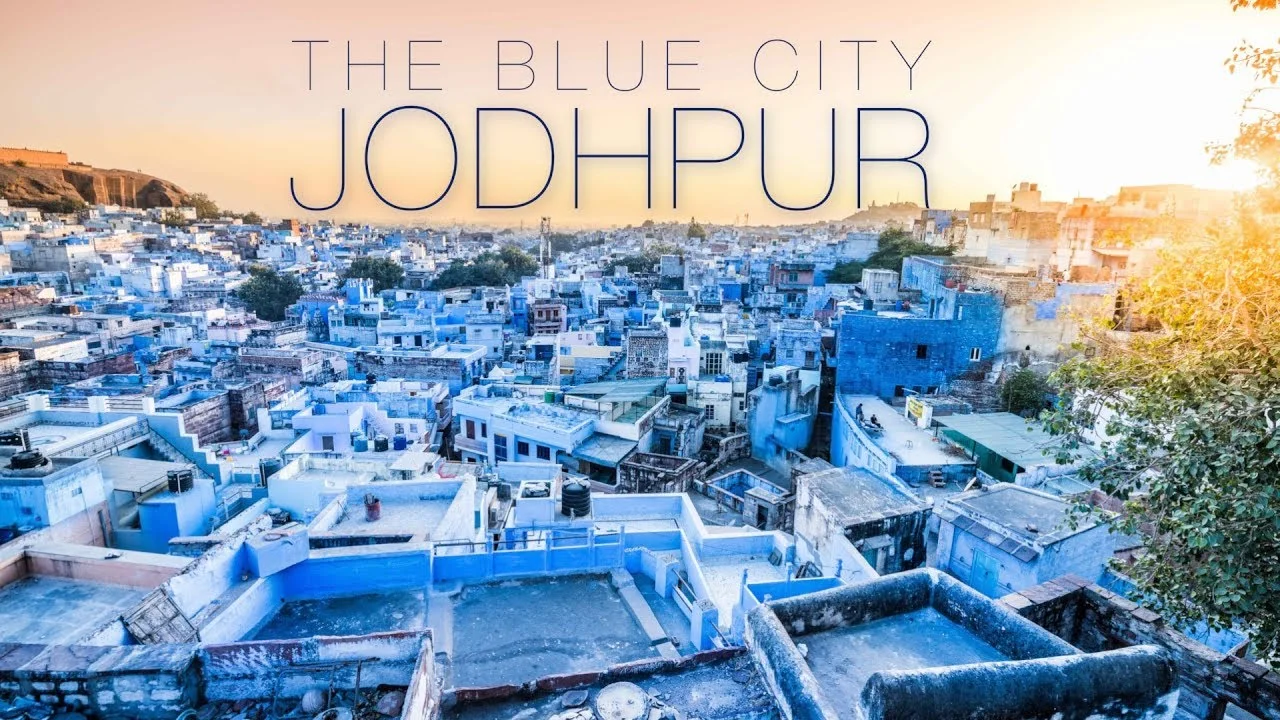
Rajasthan is a land of vibrant colors, where every city tells a unique story through its distinctive hues. Among these, the mesmerizing cityscape of Jodhpur stands out with its iconic blue-painted houses. While many visitors marvel at the stunning visual contrast of the azure buildings against the arid landscape of the Thar Desert, the origins of this architectural tradition run much deeper than mere visual appeal. As local travel experts at Jodhpur Taxi Services, we have guided countless visitors through these historic alleyways. Whether you are a solo backpacker or a family seeking a reliable taxi service in jodhpur, understanding the rich history behind the Blue City is essential for a truly authentic experience. Let us delve into the fascinating historical, cultural, and scientific reasons that explain why this magnificent city was painted beautifully blue, going far beyond simple aesthetic choices.
The Mark of the Brahmin Community
Historically, the tradition of painting houses blue began as a marker of social status and caste identity. In the ancient Hindu caste system, Brahmins were the priestly and scholarly class, holding a revered position in society. To distinguish their homes from those of the other castes within the walled city, the Brahmins began washing their houses with a specific shade of blue. This hue, often referred to locally as “Brahmin Blue,” signaled that the dwelling belonged to a family of high societal rank. Over time, as you wander through the oldest parts of the city near the base of the magnificent Mehrangarh Fort, you will notice that the highest concentration of these vividly painted structures remains tightly clustered in the historic Brahmin neighborhoods. These narrow alleys offer a glimpse into the social fabric of medieval India.
A Natural Defense Against Termites
Beyond social hierarchy, the residents of the city discovered a highly practical and scientific application for the blue wash. The arid climate of the Rajasthan region creates an environment where termites and other destructive insects can easily thrive, posing a constant threat to traditional building materials. Historically, the local population utilized a specialized mixture of limestone and copper sulfate, or sometimes locally sourced indigo, to create the distinctive blue wash. Copper sulfate acts as an excellent natural insecticide and termite repellent. By coating the exterior and interior walls of their homes with this specific chemical mixture, the residents effectively protected their traditional structures from structural damage over the centuries. For modern travelers exploring the region, navigating these historic, narrow streets with a large group is effortlessly managed by booking a tempo traveller in jodhpur, ensuring everyone can witness these resilient, centuries-old homes in absolute comfort and safety.
Combating the Fierce Thar Desert Heat
Another crucial factor contributing to the blue aesthetic is the extreme climate of the desert state. During the peak summer months, temperatures in the region can easily soar above forty-five degrees Celsius. The local populace desperately needed an effective, passive cooling mechanism for their homes. Blue, being a naturally cool color, inherently reflects the harsh, scorching rays of the sun rather than absorbing them, unlike darker shades or bare stone. The limestone and indigo mixture creates a thick insulating layer that helps to keep the interior temperatures of the houses significantly cooler than the boiling exterior environment. This indigenous architectural intelligence allowed local families to survive the brutal desert summers long before the advent of modern air conditioning systems or electrical cooling units.
The Devotion to Lord Shiva
Cultural and religious beliefs also play a highly significant role in the prominent use of the color blue throughout the old city. In Hindu mythology, Lord Shiva is often depicted with a blue throat, earning him the revered name Neelkanth. According to ancient scriptures, he consumed a deadly poison to save the universe from destruction, which turned his throat a deep blue. Many devout followers of Lord Shiva residing in the city painted their homes this color as a permanent symbol of their devotion and reverence. This deep spiritual connection adds another layer of profound meaning to the vibrant facades that line the winding streets, effectively transforming the bustling city into a massive, living canvas of religious heritage and unyielding faith.
From Tradition to Global Phenomenon
While the practice began primarily with the Brahmin community and practical necessities, it eventually transcended strict social boundaries. Over the decades, lower castes began adopting the color as well, partly for its undeniable practical benefits against the severe heat and insects, and partly to emulate the aesthetics of the higher classes. Today, the blue wash serves as a unifying civic identity rather than a division of class. The local government and residents alike recognize the immense cultural value of preserving this unique aesthetic, which consistently attracts photographers, historians, and tourists from all over the globe. The very best way to capture the overarching magic of the city is from the towering ramparts of Mehrangarh Fort, where the sweeping panoramic view reveals a sprawling sea of blue that is truly unparalleled in the world.
Exploring the Blue City with Expert Guidance
Understanding the multifaceted reasons behind the blue-painted houses effectively elevates your travel experience from simply sightseeing to true cultural immersion. The intricate blend of social history, ingenious pest control, climate adaptation, and spiritual devotion makes this specific destination a marvel of human ingenuity. To fully explore these vibrant streets, historic forts, and hidden architectural gems without missing any crucial details, arranging a comprehensive jodhpur day tour is highly recommended. By relying on experienced local guides and dependable transportation through Jodhpur Taxi Services, you can safely navigate the bustling alleys, interact with the welcoming locals, and uncover the authentic, enduring soul of Rajasthan’s most beloved Blue City.