
The Soul of Rajasthan: A Journey Into Tradition
Rajasthan is often defined by its golden sands and towering forts, but its true heartbeat lies in the rhythmic thud of a wooden block against fabric and the sacred bond between a community and the earth. A cultural day trip from the “Blue City” offers a profound look into the dual heritage of artisanal craftsmanship and environmental conservation. This journey is not just a sightseeing tour; it is an immersion into a way of life that has remained steadfast for centuries, offering travelers a rare glimpse into the authentic rural landscape of Northern India.
The Art of Precision: Hand-Block Printing
The day typically begins in the artisan clusters surrounding Jodhpur, where the ancient art of hand-block printing is preserved. This craft is a masterclass in patience and geometry. Unlike the rapid output of modern machinery, hand-block printing relies on the steady hand of a master craftsman and the intricate carvings of teak wood blocks.
Each block is a work of art in itself, featuring motifs inspired by local flora, fauna, and traditional Persian designs. The process involves a rhythmic layering of colors. An artisan dips the block into natural dyes—often derived from indigo, turmeric, or pomegranate—and strikes it firmly onto stretched cotton or silk. The sound of the block hitting the table is the soundtrack of these workshops. To see this firsthand, many travelers rely on a dependable jodhpur taxi service to navigate the winding paths leading to these hidden ateliers. Observing the precision required to align the patterns perfectly by eye alone is a humbling experience that highlights the value of “slow fashion” in a fast-paced world.
The Bishnoi Tribe: Guardians of the Desert
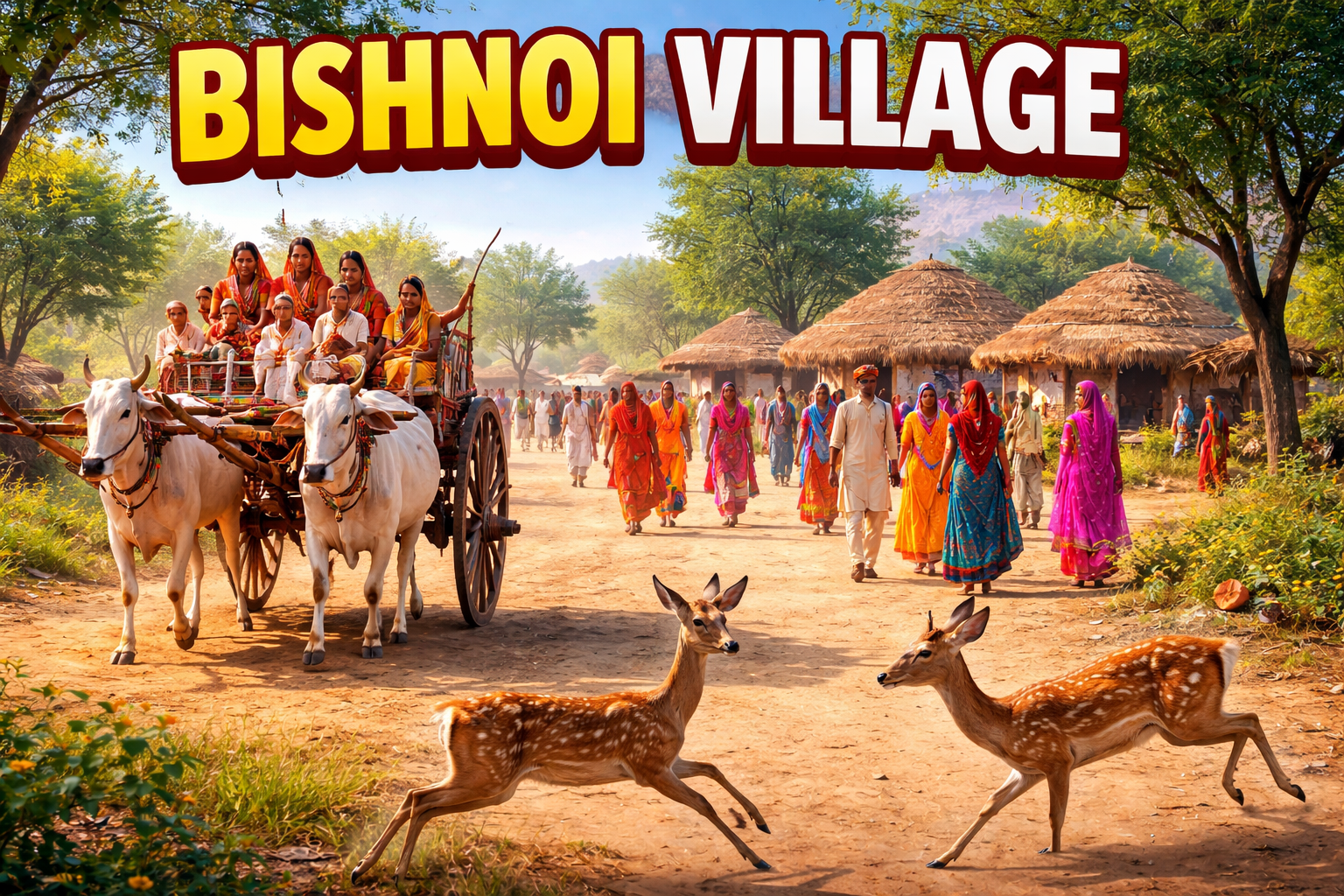
As the journey continues deeper into the arid plains, the landscape shifts from artisan workshops to the sacred groves of the Bishnoi community. The Bishnoi are perhaps the world’s first environmentalists. Following 29 principles laid down by Guru Jambheshwar in the 15th century, they treat every living being with divine reverence. To the Bishnoi, protecting a tree or an animal is more important than their own lives.
The villages are models of sustainable living. Homes are constructed from local clay and thatch, kept impeccably clean, and designed to stay cool in the blistering desert heat. Visitors often find themselves welcomed into these homes to witness the traditional Opium Ceremony, a ritual of hospitality and brotherhood that has deep roots in local history. The tranquility of these settlements offers a stark, beautiful contrast to the bustling markets of the city.
Wildlife and the Sacred Ghejri Tree
One cannot discuss the Bishnoi way of life without mentioning their relationship with the local wildlife. In a Bishnoi village, it is common to see Blackbucks and Chinkaras roaming freely near human dwellings. These animals are not hunted; they are protected members of the family. The community is also famous for their protection of the Khejri tree, which provides shade and sustenance in the harsh Thar Desert.
Exploring these remote ecological pockets requires local expertise and reliable transportation. Opting for a jodhpur to bishnoi village tour allows visitors to venture off the beaten path safely, ensuring they reach the best spots for spotting migratory birds at Guda Bishnoi Lake while respecting the privacy and sanctity of the tribal lands. The sight of a majestic Blackbuck grazing peacefully against the backdrop of a desert sunset is a memory that stays with a traveler long after they leave Rajasthan.
Pottery and Weaving: The Utility of Beauty
Beyond block printing and conservation, the day trip reveals other layers of rural economy. Village potters use traditional manual wheels to create functional vessels from local silt, often inviting guests to try their hand at the spinning clay. Similarly, the Pattu weavers create heavy wool blankets and rugs using looms that have been passed down through generations.
These crafts are not merely for decoration; they are essential to the desert lifestyle. The interplay between utility and beauty is a recurring theme. By the time the sun begins to set, travelers realize that every element of this trip—from the dye on the fabric to the water in the clay pots—comes directly from the land. For those looking to experience this seamless blend of culture and nature, Jodhpur Taxi Safe Tour provides a curated experience that prioritizes both comfort and cultural authenticity, ensuring that the logistics of the trip are as smooth as the silk being printed in the morning.
A Lasting Impression of Rural Rajasthan
A day spent between the block-printing tables and the Bishnoi huts serves as a powerful reminder of what it means to live in harmony with one’s surroundings. It challenges the modern notion of progress, suggesting instead that true advancement lies in the preservation of heritage and the protection of the natural world.
Returning to the city, the vibrant colors of the hand-printed fabrics seem even brighter, and the sight of a tree feels a bit more significant. This cultural day trip is more than just a box to check on a travel itinerary; it is an education in resilience, artistry, and the enduring power of community. Whether you are a photography enthusiast, a textile lover, or a nature seeker, the desert outskirts of Jodhpur offer a profound story waiting to be told.