
Navigating the technical landscape of vertical transportation requires a blend of engineering precision and an understanding of local infrastructure. Whether you are looking to enhance the accessibility of a multi-story residence or seeking to optimize the logistical flow of a manufacturing plant, the installation process is a significant investment. Selecting the right partner is crucial, particularly when looking for experienced Industrial Lift Manufacturers Udaipur to ensure that your heavy-duty equipment meets rigorous safety standards while providing long-term reliability. A successful installation is not merely about moving from point A to point B; it is about integrating a system that operates seamlessly within the architectural and functional constraints of your specific building.
Assessing Your Vertical Transportation Needs
The first step in any installation project is a comprehensive needs assessment. For residential properties, the focus often lies on space-saving designs, quiet operation, and aesthetic integration with the home’s interior. Conversely, industrial environments prioritize load capacity, durability, and compliance with high-frequency usage. Professional consultants begin by evaluating the building’s structural integrity to determine if it can support the weight and mechanical stress of a new system. This phase involves detailed measurements of the hoistway, pit depth, and overhead clearance. Understanding these technical requirements early prevents costly modifications during the later stages of construction or renovation.
Strategic Planning for Residential Lift Installation
Installing a lift in a home environment demands a delicate balance between luxury and utility. Modern homeowners are increasingly opting for pneumatic or hydraulic systems that require minimal structural changes. During the planning phase, it is essential to consider the “traffic” patterns within the home. Where will the lift be most accessible to those who need it most? Architects and engineers work together to ensure the shaft is positioned in a way that does not compromise the home’s layout. Furthermore, the selection of finishes—from glass cabins to brushed steel—allows the elevator to become a design feature rather than just a mechanical necessity.
The Technical Requirements for Industrial Solutions
Industrial installations are far more complex due to the sheer scale of the machinery and the nature of the materials being transported. These systems often require reinforced concrete shafts and heavy-duty motor rooms. Safety is the paramount concern in these settings, necessitating the inclusion of advanced braking systems, emergency alarms, and overload sensors. When you engage in elevator installation in Udaipur for a commercial or industrial site, the focus shifts toward minimizing downtime and ensuring that the equipment can handle the harsh conditions of a factory or warehouse floor. Precision leveling is also vital in these scenarios to allow for the smooth transition of forklifts and heavy pallets in and out of the lift car.
Specialized Requirements for Healthcare Facilities
Hospital environments present a unique set of challenges that standard residential or industrial lifts cannot meet. Stretcher lifts and bed-size elevators must be large enough to accommodate medical equipment and personnel comfortably. Beyond size, these systems require specialized features like “Hospital Service” mode, which allows medical staff to bypass floor calls during emergencies. Reliable Hospital Elevators manufacturers in Udaipur focus on creating smooth-start and smooth-stop technology to ensure patient comfort, as well as easy-to-clean antimicrobial surfaces to maintain a sterile environment. The reliability of these lifts is quite literally a matter of life and death, making the quality of the initial installation and subsequent maintenance non-negotiable.
Navigating the Installation Process
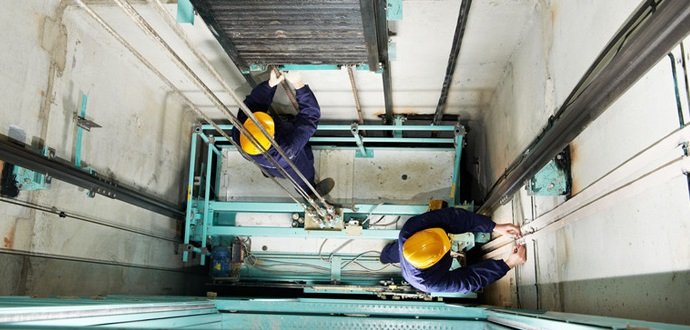
Once the planning and procurement phases are complete, the physical installation begins. This is a multi-stage process that starts with the preparation of the hoistway and the installation of guide rails. The rails must be perfectly plumb to prevent vibration and noise during operation. Following this, the drive system—be it a traction machine or a hydraulic pump—is positioned. The assembly of the car frame and the wiring of the control system follow. This stage requires a high level of expertise, as modern elevators rely on sophisticated software to manage floor leveling, door operations, and energy efficiency. Rigorous testing is performed at every step to ensure that the mechanical and electronic components are communicating effectively.
Safety Standards and Regulatory Compliance
Every lift installation must adhere to strict national and local safety codes. In India, this often involves compliance with Bureau of Indian Standards (BIS) norms. These regulations cover everything from the fire rating of the doors to the ventilation requirements within the cabin. A professional installation team will handle the necessary permits and arrange for third-party inspections. These inspections verify that the safety gears, governors, and buffers are all functioning as intended. Regular audits and certifications are not just legal requirements; they provide peace of mind to the building owners and the end-users who rely on the lift daily.
The Importance of Post-Installation Maintenance
The relationship between a building owner and an elevator company does not end when the installation is complete. In fact, that is just the beginning. To maintain the E-E-A-T standards of expertise and trustworthiness, a robust maintenance schedule is essential. Regular lubrication of moving parts, adjustment of door sensors, and software updates help prevent unexpected breakdowns. For industrial and hospital lifts, where usage is constant, a proactive maintenance approach can extend the lifespan of the equipment by decades. Choosing a local provider ensures that technicians are readily available for emergency repairs, minimizing any disruption to your home or business operations.
Future-Proofing Your Investment
As technology evolves, so do vertical transportation systems. Modern installations now frequently include “smart” features, such as destination control systems that group passengers by their floor to reduce wait times. Energy-efficient regenerative drives, which capture energy during the descent and feed it back into the building’s power grid, are also becoming standard. When planning your installation, it is wise to consider these technological advancements. Investing in a high-quality, modern system today ensures that your building remains functional and compliant for years to come. By prioritizing quality components and professional expertise, you turn a complex engineering challenge into a seamless addition to your infrastructure.