
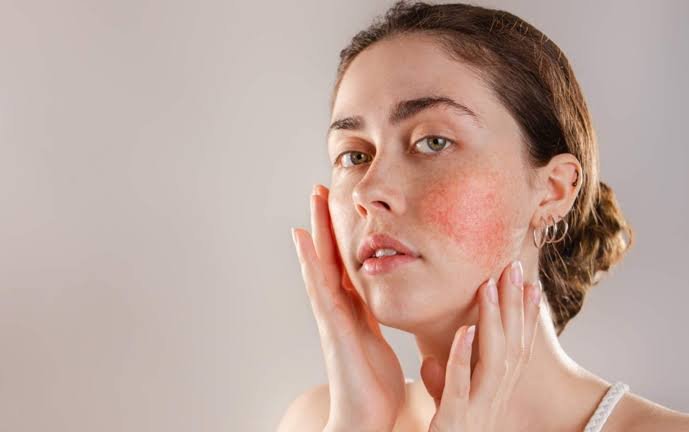
Achieving a radiant, youthful complexion requires an informed approach that combines certified clinical expertise with modern energy-based technology. While daily topical regimens protect the surface barrier, deeper structural skin concerns such as laxity, stubborn hyperpigmentation, and texture irregularities originate deep within the dermis. This comprehensive guide outlines the science, clinical safety standards, and physiological mechanisms behind cutting-edge laser technologies, helping you make educated decisions about your aesthetic wellness.
Understanding the Science of Clinical Laser Resurfacing
Laser skin rejuvenation operates on the principle of selective photothermolysis. This process delivers specific wavelengths of light into targeted chromophores—such as water, melanin, or hemoglobin—without harming adjacent tissue. By converting optical energy into controlled thermal stimulation, the skin enters a biological healing phase known as neocollagenesis.
During this regenerative phase, fibroblasts multiply and produce fresh type-I and type-III collagen alongside elastin fibers. For individuals seeking medical-grade skin renewal, selecting an advanced laser treatment in Sugar Land ensures access to targeted protocols configured for specific skin phototypes, minimizing risks while optimizing cellular turnover.
Clinical Modalities: Ablative, Non-Ablative, and Hybrid Platforms
A thorough clinical consultation determines which energy modality aligns with your unique dermatological history and recovery timeline:
- Non-ablative fractional lasers deliver microscopic thermal zones into the dermis while keeping the stratum corneum intact, making them ideal for mild photodamage, fine lines, and minimal social downtime.
- Ablative laser systems gently vaporize thin outer layers of damaged epidermis, which stimulates dramatic resurfacing for deep rhytids, pronounced surgical scars, and uneven texture.
- Infrared energy technologies deliver deep dermal heating to contract existing tissue networks while stimulating long-term architectural remodeling.
Patients aiming to address dermal laxity and loss of structural elasticity often benefit from SkinTyte Infrared Firming in Sugar Land, which uses advanced infrared light pulses to safely heat deep tissue while protecting the upper skin layer with integrated contact cooling.
Professional Experience and Treatment Safety Protocols
Laser treatments are complex medical procedures requiring certified practitioners with extensive knowledge of cutaneous anatomy and laser physics. An experienced clinician conducts a systematic evaluation of your skin phototype using the Fitzpatrick Scale to calibrate wavelength, pulse duration, and fluence.
Practicing under stringent safety protocols minimizes complications such as post-inflammatory hyperpigmentation, burns, or prolonged erythema. At Rania Aesthetic Studio, practitioners combine rigorous diagnostic skin assessments with customized treatment plans, ensuring that every session balances efficacy with patient comfort and safety.
Pre-Treatment Preparations for Optimal Outcomes
Preparing the skin before laser therapy significantly impacts clinical efficacy and barrier resilience during recovery. A compliant pre-treatment protocol typically includes:
- Discontinuing photosensitizing active ingredients such as retinoids, alpha hydroxy acids, and beta hydroxy acids at least five to seven days prior to your session.
- Avoiding direct ultraviolet exposure and artificial tanning beds for four weeks before treatment to prevent epidermal melanin interference.
- Hydrating the cutaneous barrier with ceramide-dominant emollients and broad-spectrum physical sunscreen formulated with zinc oxide or titanium dioxide.
- Disclosing full medical histories, including active cold sores, auto-immune conditions, and oral medications such as isotretinoin.
Post-Procedure Healing and Long-Term Maintenance
The physiological remodeling of collagen is a progressive process that unfolds over several months. Immediate post-treatment recovery requires strict adherence to barrier-repair guidelines to facilitate tissue regeneration:
- Maintain thermal neutrality by avoiding hot showers, saunas, strenuous cardio, and heavy sweating for 48 hours following your procedure.
- Cleanse treated areas gently using mild, non-stripping cleansers and tepid water, patting the skin dry without mechanical friction.
- Apply medical-grade occlusive ointments or growth-factor serums as directed by your aesthetician to accelerate re-epithelialization.
- Wear broad-spectrum mineral sunscreen every morning, reapplying every two hours when outdoors, to safeguard newly exposed dermal layers from ultraviolet damage.
Following these clinical aftercare recommendations protects your investment and maintains cellular vitality, leading to clearer, firmer, and visibly radiant skin.