
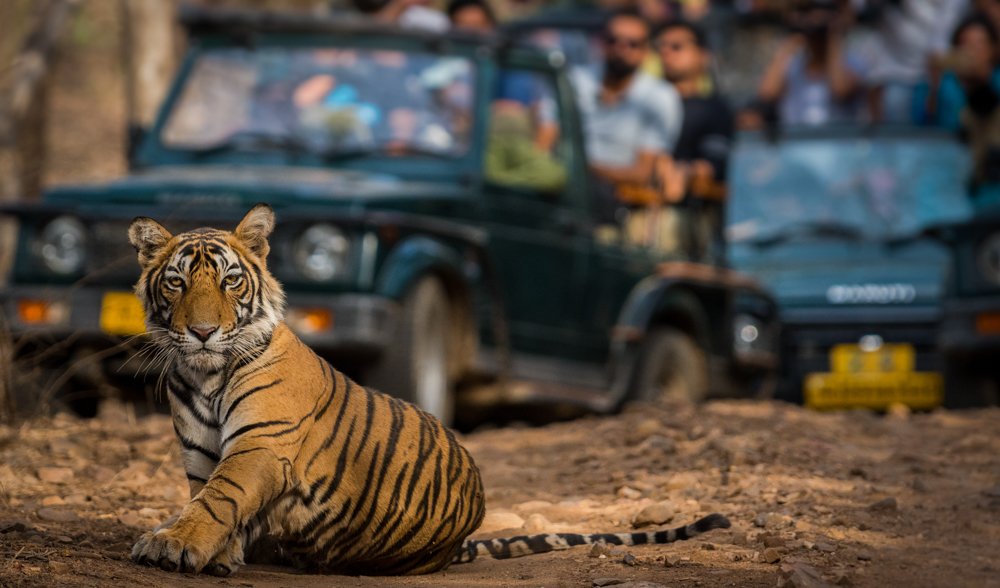
Navigating the sprawling wilderness of Ranthambore National Park in Sawai Madhopur, Rajasthan, is an experience like no other. Known for its diurnal Bengal tigers—big cats active during the daytime—this historic game reserve offers photographers and wildlife enthusiasts an unparalleled glimpse into nature. However, with over 1,300 square kilometers of protected forest divided into 10 distinct safari sectors, deciding where to focus your journey can feel overwhelming.
Choosing a comfortable base, such as a premier resort in Ranthambore, ensures you are well-rested and positioned close to the park gates for early morning game drives. Understanding how the park’s zone system works will help you set realistic expectations and make the most of every minute spent inside the jungle.
Where to Spot Tigers: Best Ranthambore Safari Zones
The park is administrative divided into 10 official zones. Zones 1 through 5 represent the historic core areas, while Zones 6 through 10 encompass the buffer regions. Every single zone is home to wild tigers, leopards, sloth bears, and diverse ungulates; however, terrain, foliage density, and water availability create distinct sighting dynamics across each sector.
The Core Tiger Hubs: Zones 1 to 5
The core zones traditionally draw high interest due to their established tiger territories, iconic heritage ruins, and permanent water bodies.
- Zone 1 (Singhdwar & Tuti Ka Nalla): Entered through the imposing Singh Dwar, this zone features rugged terrain, steep cliffs, and dense forest patches. Key waterholes like Sultanpur, Peela Pani, and Gada Dub are frequent resting spots for dominant territorial males and tigresses patrolling their home ranges.
- Zone 2 (Jhalra & Nal Ghati): Celebrated for its picturesque watering holes and valleys, Zone 2 provides exceptional visibility. Important points such as Phuta Kot and Jhalra regularly host big cat activity, especially during warmer months when tigers retreat to cool stream beds.
- Zone 3 (Padam Talao & Rajbagh): Widely regarded as one of the most photogenic wildlife areas in Asia, Zone 3 centers around three massive lakes: Padam Talao, Rajbagh Lake, and Malik Talao. Against the backdrop of the ancient Ranthambore Fort and Jogi Mahal, visitors frequently witness big cats hunting along the marshy lake edges or cooling off amidst lily pads.
- Zone 4 (Lakkad Da & Malik Talao): Rich in forest cover and natural streams, Zone 4 has a legendary history. It was once the domain of Machli, the world’s most famous tigress, and continues to sustain high big cat density along corridors like Tamakhan, Singhdwar, and Berda.
- Zone 5 (Kachida & Bakula): Known for its thick Dhok tree canopy and rocky outcrops, Zone 5 offers deep shade that attracts animals during hot afternoons. Places like Anatpur and Bakula feature spring-fed moisture, making them prime habitat for both tigers and elusive sloth bears.
The Buffer and Emerging Hotspots: Zones 6 to 10
While designated as buffer territories, Zones 6 through 10 offer serene landscapes, significantly lower vehicle congestion, and increasingly frequent predator encounters.
- Zone 6 (Kundal): Once considered secondary, Zone 6 now performs on par with core zones. Characterized by open grasslands framed by dramatic hills, areas like Soleshwar, Kala Pani, and Saran Ka Pattha frequently yield sightings of tigresses with young cubs alongside thriving leopard populations.
- Zone 7 (Chidikho) & Zone 8 (Balas): Featuring high ridge lines and deep ravines, these interconnected zones are ideal for travelers seeking rugged wilderness. Tigers and leopards actively utilize these rocky slopes, while rare bird species frequent the cliff faces.
- Zone 9 (Kuwalji): Situated about 45 minutes from the main reserve along the banks of the Chakal River, Zone 9 offers a wild riverine experience home to territorial male tigers, sloth bears, and mugger crocodiles.
- Zone 10 (Aantri): Highlighted by hilly terrain, quiet streams, and lush greenery, Zone 10 delivers a peaceful safari environment where birdlife thrives and big cats roam undisturbed.
How to Plan an Action-Packed Wildlife Safari
To maximize your chances of a successful sighting during a Ranthambore jungle safari, keep these practical field tips in mind:
Choose the Right Vehicle and Timing
Safari drives operate twice daily—once shortly after sunrise and once in the late afternoon. Morning drives offer crisp light and active animal movement, while evening drives focus on animals gathering around drying waterholes.
Selecting a 20-seater canter safari in Ranthambore provides an elevated vantage point over high grass and scrub, making it a budget-friendly option for families and larger groups navigating core forest tracks.
Track Jungle Signs and Respect Natural Movement
Spotting a big cat relies heavily on patience and expert field craft. Experienced naturalists listen intently for prey alarm calls—the sharp bark of a spotted deer (chital), the loud honk of a sambar deer, or the sudden chatter of gray langurs—which signal a moving predator nearby.
Rather than chasing rumors across distant tracks, staying quiet, scanning the underbrush, and allowing the wildlife to move naturally often leads to the most rewarding encounters. Every zone in Ranthambore has its own unique charm, history, and wild inhabitants. Embracing the whole forest ecosystem ensures an unforgettable safari experience.