
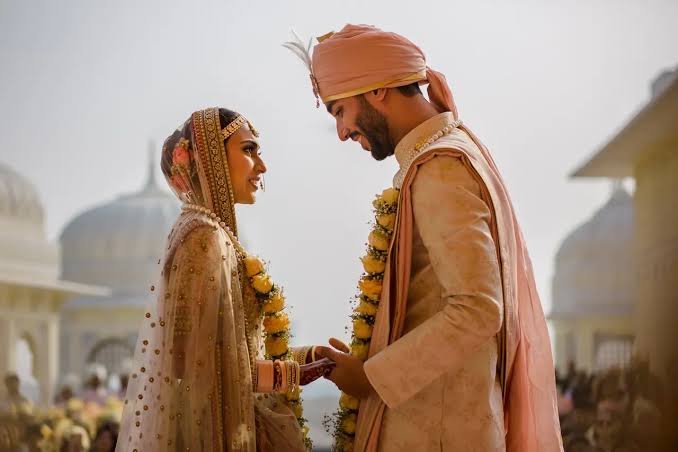
Jaipur, the capital of Rajasthan, remains an internationally celebrated epicenter for regal matrimonial events. Known as the Pink City, it offers grand architecture, centuries-old heritage hospitality, and a distinct aesthetic defined by sandstone facades, jharokhas, and manicured palace lawns. Planning a high-caliber celebratory affair here requires thorough operational foresight, careful budgetary modeling, and an understanding of regional hospitality infrastructure.
Realities of Wedding Budgets in Jaipur
Budgeting for a destination event depends fundamentally on guest count, the chosen venue tier, and seasonality. Typically, events span two to three days featuring multiple functions such as the Mehendi, Sangeet, traditional ceremony, and reception.
Budget Allocation Framework
On average, a royal-scale gathering of 150 to 200 attendees ranges from ₹40 lakhs to well over ₹2.5 crores. The distribution across major operational heads generally adheres to specific industry ratios:
- Accommodations and Catering: Consumes roughly 45% to 55% of the total outflow. Luxury culinary spreads range from ₹2,500 to ₹7,000 per plate, alongside bulk room buyouts.
- Scenography, Floral Design, and Decor: Represents 15% to 25%. Heritage palace parameters require specialized lighting, ambient rigging, traditional block print textures, and elaborate mandap installations.
- Entertainment and Sound: Accounts for 8% to 12%, spanning local Manganiyar and Langa folk performers, sound licensing, and contemporary stage sound design.
- Cinematography and Photography: Typically 6% to 10% for documentary and traditional production crews.
- Logistics and Taxation: Goods and Services Tax (GST) stands at 18% for most event-related services, with local transit and guest handling absorbing another 5% to 10%.
Selecting the Right Palatial Venue
Navigating the local inventory requires balancing heritage authenticity against technical infrastructure. Discovering the premier wedding venue in Jaipur depends entirely on whether an event demands historical isolation or the extensive banquet facilities of modern luxury resorts.
Rambagh Palace
Historically the residence of the Maharaja of Jaipur, this luxury property features pristine gardens, sandstone corridors, and antique interiors. It serves intimate to mid-scale luxury assemblies seeking uninterrupted royal pedigree. Full buyouts require substantial advance reservation and significant minimum room guarantees.
Jai Mahal Palace
Set amidst 18 acres of Mughal gardens, this 18th-century palace hotel balances Indo-Saracenic design with contemporary banquet capacity. It accommodates mid-sized to large gatherings, offering multiple outdoor lawns capable of handling elaborate thematic sets without logistical friction.
Fairmont Jaipur
Nestled against the Aravalli hills on the Delhi-Jaipur corridor, this modern luxury fort-style hotel is architecturally designed specifically for large destination events. Its grand ballrooms, central courtyards, and sizable room inventory eliminate the necessity of dividing guests across disparate properties.
Samode Palace and Haveli
Located slightly outside the main city perimeter, Samode offers private, enclosed royal luxury. Known for its hand-painted fresco walls, mirrored halls, and intimate courtyards, it represents an exceptional choice for couples prioritizing exclusivity, cultural intimacy, and visual heritage over sheer guest volume.
Essential Tips for Planning
Executing a flawless multi-day celebration demands strategic vendor coordination and strict calendar planning.
Factor in Regional Seasonality
The prime calendar window for hosting a destination wedding in Rajasthan runs from October through March. During these months, the daytime climate remains pleasant and evening temperatures drop comfortably. Scheduling outdoor functions between April and June presents severe heat challenges, while late July through September introduces monsoon contingencies that require covered backup venues.
Manage Guest Logistics and Transit
Jaipur International Airport maintains direct connections with primary domestic metros and select international hubs. Because properties in locations like Kukas or Samode require transit times of 45 to 90 minutes from the terminal, dedicated fleet management must be contracted early to coordinate staggered arrivals.
Respect Heritage Site Guidelines
Historic venues enforce strict preservation protocols. Many heritage estates prohibit open flames near historical stonework, enforce strict sound curfews at 10:00 PM in outdoor lawns, and mandate specific load limits on historic turf. Ensure your production team utilizes freestanding truss systems to avoid architectural damage and acquire proper PPL and IPRS licenses for musical performances.
A regal Jaipur affair represents an exquisite union of regal pageantry and classic Indian hospitality. Through thorough budget modeling, early venue selection, and diligent production management, couples can curate a memorable experience that remains both logistically sound and breathtaking.