
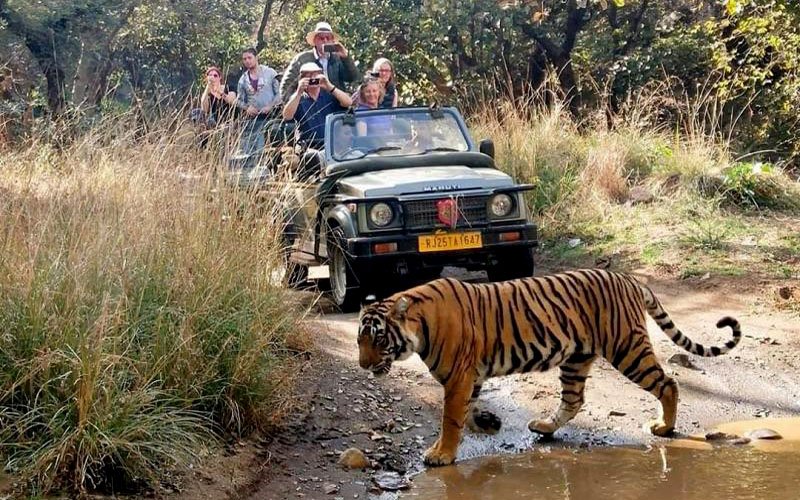
Sawai Madhopur serves as the primary gateway to Rajasthan’s untamed wilderness and royal history. Tucked between the Vindhya and Aravalli ranges, the town presents an exceptional mix of raw nature, ancient architecture, and cultural traditions. Travellers from across the globe visit this historic region primarily to catch a glimpse of the Royal Bengal Tiger, yet the area offers far more than game drives alone. From thousand-year-old fortresses standing high on cliff tops to tranquil lakes visited by migratory birds, exploring Sawai Madhopur reveals a multifaceted travel experience. Planning an itinerary that blends early morning safaris with cultural sightseeing ensures you witness the true essence of this legendary land.
Ranthambore National Park
The undisputed crown jewel of Sawai Madhopur is Ranthambore National Park, renowned worldwide as one of the best conservation reserves for tiger sightings. Spanning over deciduous forests, open grasslands, and rocky ravines, the reserve is divided into designated safari zones to regulate ecotourism responsibly. Visitors can embark on morning or afternoon safaris in open-top six-seater gypsies or twenty-seater canters accompanied by certified forest guides and drivers. Beyond the apex predator, the jungle supports a thriving population of leopards, sloth bears, striped hyenas, sambar deer, chital, and mugger crocodiles sunning themselves on the banks of water bodies. The park is equally captivating for birdwatchers, with over three hundred avian species recorded throughout the seasonal changes.
Ranthambore Fort and Trinetra Ganesh Temple
Perched 700 feet above the forest canopy inside the park perimeter stands Ranthambore Fort, a UNESCO World Heritage Site dating back to the 10th century. Built by Chauhan rulers, the massive stone fortification preserves palaces, cenotaphs, stone stepwells, and ancient defensive gates like Toran Dwar. Walking along the ramparts rewards visitors with sweeping panoramic views of Padam Talao and the dense forest below. Inside the fort complex lies the revered Trinetra Ganesh Temple, one of the oldest shrines in India where the three-eyed Lord Ganesha is worshipped alongside his entire family. Daily, thousands of devotees and wedding invitation letters arrive at the post office addressed directly to this temple seeking auspicious beginnings.
Padam Talao and Historic Jogi Mahal
Padam Talao is the largest lake within the reserve, drawing animals to its waters throughout the day. During peak flowering seasons, the water surface fills with blooming wild water lilies. Positioned on the lake’s edge stands Jogi Mahal, an elegant hunting lodge constructed by the royal family of Jaipur that later functioned as a forest resthouse. Nearby, travellers can inspect one of India’s largest banyan trees, whose expansive aerial roots create a massive canopy that has sheltered wildlife and sadhus for generations.
Rajiv Gandhi Regional Museum of Natural History
Located in Ramsinghpura, this museum provides comprehensive educational insight into the biodiversity, geology, and ecological wealth of western India. Curated with life-sized dioramas, preserved fossils, interactive displays, and thematic galleries, the museum highlights the delicate interplay between desert and forest ecosystems. It is an essential stop for families, students, and conservation enthusiasts wishing to understand wildlife conservation efforts before or after entering the national park.
Tranquil Water Bodies: Surwal Lake and Mansarovar Lake
For visitors seeking tranquility away from mainstream tourist trails, the water bodies surrounding Sawai Madhopur offer peaceful landscapes and seasonal birdwatching:
- Surwal Lake: Situated roughly 14 kilometers outside the main town, Surwal Lake is a shallow water basin that attracts thousands of migratory birds during the winter months, including painted storks, spoonbills, and demoiselle cranes. Dawn visits provide remarkable photographic conditions when mist rolls across the quiet water.
- Mansarovar Lake: As the largest reservoir in the district, Mansarovar is backed by rugged hills and traditional farmlands. It is a favored location for angling, tranquil shoreline walks, and witnessing scenic sunsets over rural Rajasthan.
Chamatkar Temple and Local Heritage
Situated in the heart of town near the railway station, Chamatkar Temple is an ancient Jain pilgrimage shrine dedicated to Bhagwan Rishabhdev. The temple is known for its intricate marble carvings, quiet courtyards, and religious folklore regarding wish fulfillment. A visit here pairs naturally with exploring the vibrant local markets of Sawai Madhopur, where artisans sell Ranthambore wildlife paintings, bandhani textiles, wooden handicrafts, and authentic Rajasthani sweets such as kheer-mohan.
Making the Most of Your Sawai Madhopur Journey
An exceptional trip to this wilderness destination relies on securing convenient safari permits well in advance, as park entries operate under strict government quotas. Booking your stay along Ranthambore Road allows seamless access to the park entrance gates, saving valuable transit time during early dawn excursions. If you want to unwind after long hours in the wild, choosing a luxuy resort in Ranthambore ensures comfortable lodging, open gardens, traditional dining, and knowledgeable local assistance for your sightseeing itinerary.
For travelers celebrating special moments together, opting for a curated Ranthambore 2N 3D couple package provides a balanced blend of guided wildlife drives, private fort excursions, candlelit Rajasthani dinners, and cozy bonfire evenings beneath starry wilderness skies. Whether your interest lies in capturing wildlife through a telephoto lens, tracing medieval dynasties, or enjoying peaceful rural horizons, Sawai Madhopur delivers an authentic Rajasthan expedition.