
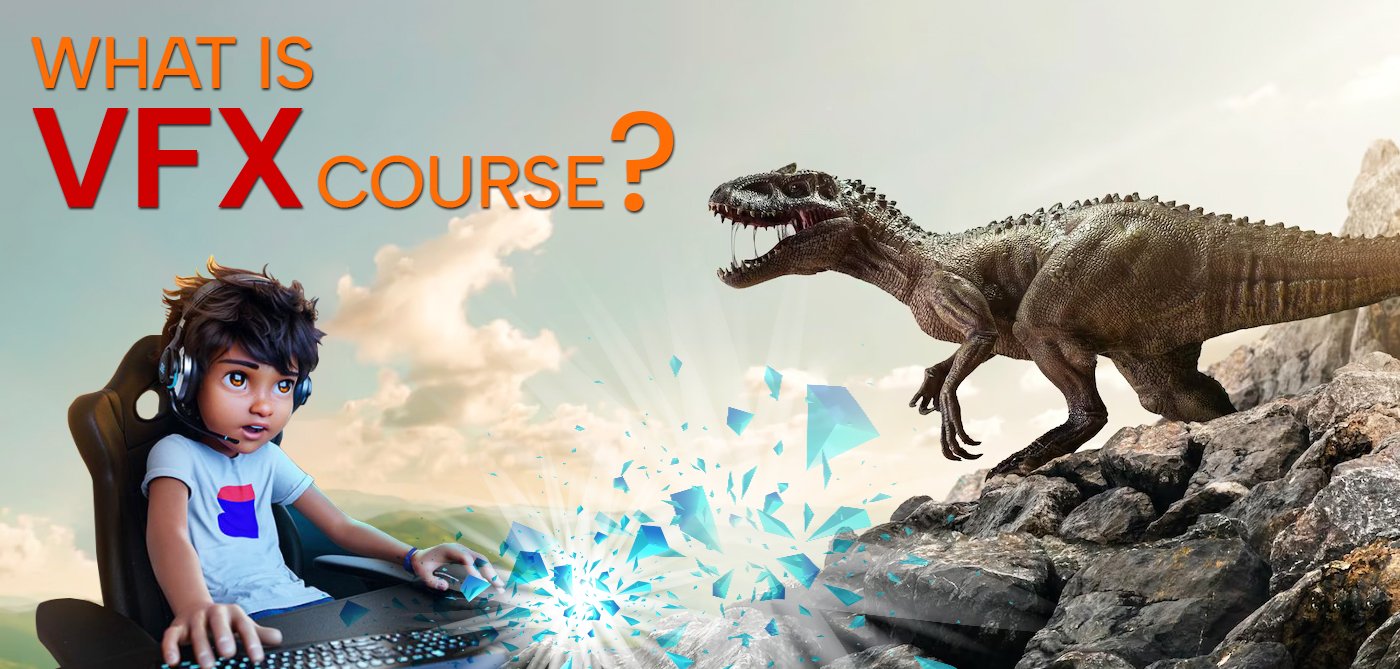
The world of cinema, streaming platforms, and gaming has undergone a massive transformation over the past decade. Blockbuster movies, episodic television, and digital advertisements now rely heavily on visual effects to tell stories that would otherwise be impossible to capture with a physical camera. For creative minds standing at the threshold of choosing a career path, a common dilemma arises: is visual effects filmmaking truly the right starting point for someone with zero professional background?
Understanding what this creative discipline entails, how foundational learning works, and what the entertainment industry actually demands from newcomers helps answer that question with clarity.
Understanding the Core of Visual Effects Filmmaking
Visual effects, commonly known as VFX, represent the integration of live-action footage with computer-generated imagery to create realistic environments, dynamic simulations, and otherworldly characters. Filmmaking, on the other hand, encompasses narrative pacing, camera composition, dramatic lighting, and scene continuity.
When you combine both into a structured curriculum, you are not simply learning how to operate specialized design software. You are learning the language of moving pictures. Beginners frequently mistake visual effects for purely digital manipulation, but the most convincing screen artistry requires an understanding of how light behaves in real spaces, how practical lenses distort edges, and how human actors interact with imaginary props.
For students in Rajasthan exploring creative education, enrolling in a dedicated Animation Academy in Udaipur provides an environment where these fundamental storytelling concepts are taught alongside core digital design tools from day one.
Why Beginners Thrive in a VFX Filmmaking Curriculum
A common concern among beginners is whether they need prior experience in fine arts, computer programming, or cinematography before joining a professional program. The short answer is no. A well-designed visual effects program begins at ground level.
Structured Progression from Art to Digital Assets
Beginners benefit because comprehensive courses follow a progressive learning curve. Training typically begins with traditional sketching, anatomy study, color theory, and perspective drawing before students ever touch 3D modeling or compositing suites. This progression ensures that when a student builds a digital asset, it possesses realistic proportions, convincing surface weight, and believable lighting.
Comprehensive Exposure to the Production Pipeline
The modern post-production pipeline consists of numerous specialized departments, including:
- Pre-visualization and storyboarding to plan shots before shooting begins
- 3D modeling and texturing for environments, vehicles, and creatures
- Rigging and character animation for realistic movement
- Matchmoving and camera tracking to align digital cameras with physical footage
- Dynamics and simulations for fire, smoke, water, and destruction physics
- Digital compositing and color grading to seamlessly merge every element into the final frame
Because beginners rarely know which specific niche aligns best with their natural strengths, an all-inclusive VFX filmmaking course acts as an exploratory journey. You test your hands at matchmoving, character modeling, lighting, and compositing before deciding where to focus your professional portfolio.
Development of Critical Problem-Solving Skills
Visual effects work is fundamentally about visual problem-solving. A director may shoot a scene on a bright afternoon that needs to look like a stormy twilight, or an actor’s safety harness must be painted out frame by frame without altering the background texture. Beginners who study filmmaking alongside technical effects learn to think like directors and supervisors rather than mere button-pushers.
Industry Demand and Practical Studio Expectations
Media houses, gaming studios, and visual effects facilities across the globe actively search for artists who understand narrative context. A technical artist who understands why a shot cuts where it does is vastly more valuable on a production floor than someone who only knows shortcut keys.
Securing quality mentorship makes all the difference when bridging the gap between student projects and studio-grade deliverables. Learning under experienced mentors at a recognized VFX Training Institute in Udaipur gives newcomers access to industry-standard workflows, production-ready project briefs, and hands-on studio pipelines that reflect the realities of contemporary film sets.
Working in a physical lab environment also instills collaborative teamwork, which mirrors how visual effects facilities operate. No single artist builds a visual effects sequence alone; compositors rely on rotoscopy artists, lighting artists rely on modelers, and supervisors coordinate the entire team. Developing these interpersonal studio habits early prevents culture shock when transitioning into commercial production houses.
What Beginners Need to Succeed
While VFX filmmaking is an exceptional entry point, success depends entirely on the student’s mindset and daily practice habits.
Curiosity about the real world is essential. Great visual effects artists observe everyday phenomena meticulously—such as how rain bounces off asphalt, how dust catches sunlight in an alley, or how shadows soften as objects move away from a light source. Recreating reality digitally requires keen observation before execution.
Patience is equally vital. Rendering complex scenes, fine-tuning edge mattes, and refining camera tracks require discipline and steady revision. Students who embrace critique and continually refine their shots build showreels that immediately catch the attention of creative directors and talent recruiters.
Making the Decision
If your goal is to pursue a dynamic, high-growth career that blends technical craftsmanship with cinematic artistry, visual effects filmmaking offers the most versatile foundation available today. It welcomes beginners without prerequisites, equips them with universal filmmaking principles, and opens doors to industries ranging from feature films and streaming series to gaming, virtual production, and architectural visualization. With dedicated practice, observant eyes, and structured training, starting from scratch can turn into a rewarding journey across the creative screen arts.