
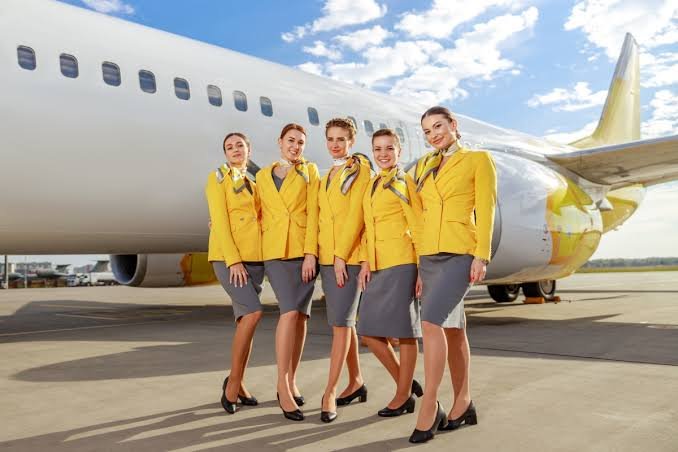
The global aviation industry has experienced an unprecedented resurgence, transforming the dream of soaring through the skies into a highly lucrative and structured career path. For thousands of young aspirants, becoming a cabin crew member or flight steward represents the perfect intersection of global travel, luxury hospitality, and high-earning potential. However, the days when airline recruitment relied solely on basic charm and pleasant aesthetics are long gone. Today, commercial airlines require highly trained professionals who can seamlessly manage safety emergencies, medical crises, and sophisticated customer experiences simultaneously. Navigating the modern landscape of flight attendant training requires a clear understanding of what a comprehensive, industry-aligned program entails and how it equips you to meet stringent global standards.
The Evolution of Aviation Careers and Global Opportunities
Aviation sectors worldwide have expanded their fleets, leading to an exponential surge in the demand for skilled frontline professionals. Serving as an air hostess or flight steward is no longer viewed merely as a temporary job, but rather as a specialized profession within the grander scope of international hospitality management. Modern domestic and international carriers prioritize individuals who display deep situational awareness, advanced cultural literacy, and specialized operational capabilities.
When you choose to build a career in the skies, you enter a domain that requires a rigorous understanding of both service excellence and operational safety protocols. Many successful cabin crew members discover that their foundational training bridges the gap between classic hospitality service and high-stakes aviation security. For those seeking comprehensive education, selecting a premier hotel management college in Udaipur that provides dedicated aviation wings can be a transformative first step, ensuring that your understanding of guest relations meets elite global benchmarks before you even step inside an aircraft cabin.
Deep Dive into Core Modules of a Professional Cabin Crew Program
An elite training program goes far beyond teaching students how to welcome passengers with a warm smile. The modern curriculum is designed around the actual selection frameworks and operational guidelines of leading commercial airlines. To help you evaluate the best courses, let us break down the mandatory modules that form the backbone of professional cabin crew training.
Aviation Safety and Emergency Procedures (SEP) remain the absolute priority of any legitimate flight training program. Students undergo thorough instruction in aircraft familiarization, emergency evacuation procedures, fire-fighting techniques, and ditching protocols (water landings). You learn how to handle decompression scenarios, operate survival equipment, and execute precise security checks. Alongside safety, Comprehensive In-Flight Medical First Aid ensures crew members can handle diverse health situations, ranging from simple air sickness to acute cardiac arrests, psychiatric emergencies, or even mid-flight childbirth.
Equally critical is the Crew Resource Management (CRM) module, which focuses on the human factors of flight operations. This involves training in conflict resolution, crowd management, clear cockpit-to-cabin communication, and rapid problem-solving under pressure. Furthermore, a professional program emphasizes In-Flight Service Excellence and Passenger Dynamics, teaching students the art of elite culinary service, premium beverage handling, customs documentation, and specialized care for unaccompanied minors, VIPs, or passengers with limited mobility.
Eligibility Standards and Selection Realities for Aspiring Crew
Securing a spot with an international airline requires meeting specific baseline criteria that reflect the demanding nature of the job. Most leading aviation institutes structure their training programs to align precisely with these global recruitment criteria, ensuring that students do not face unexpected disqualifications during final airline interviews.
- Educational Prerequisites: The minimum educational entry barrier for most professional diplomas is a completed 10+2 or equivalent certification from a recognized educational board, regardless of the academic stream.
- Age and Physical Attributes: Airlines typically look for candidates between the ages of 17 and 24 years. Clear skin, high personal hygiene, a well-proportioned physique, and the absence of visible tattoos or permanent body scars while wearing the standard airline uniform are crucial elements checked during assessments.
- Language Proficiency: Absolute fluency and clarity of speech in both English and Hindi are standard requirements, while knowledge of additional foreign languages acts as a massive competitive advantage for international routes.
Developing these traits requires immersive, daily preparation. Enrolling in a top-tier air hostess course in Udaipur allows students to undergo personalized transformation through state-of-the-art grooming labs, where professional style curators teach wardrobe management, professional poise, and airline deportment standards to match global industry specifications.
Choosing the Right Academy for Global Industry Success
The effectiveness of your training is fundamentally dictated by the infrastructure and the expertise of the faculty guiding you. When exploring potential training institutes, look for academies that move away from pure textbook learning and lean heavily into experiential education. State-of-the-art training centers feature mock aircraft cabins where students can simulate real-world service scenarios, tackle simulated emergency evacuations, and practice crowd control protocols under realistic stress levels.
Furthermore, direct industry exposure through regular airport visits, interactions with senior active flight pursers, and deep hospitality internships provides invaluable real-world context. Faculty members who possess extensive past experience flying with domestic or international carriers bring invaluable tribal knowledge into the classroom, sharing real insights into how interview panels conduct group discussions and psychometric tests.
By focusing on an institution that provides comprehensive preparation—encompassing intensive spoken English classes, rigorous mock interview drills, personality enhancement modules, and official technical certifications—you position yourself ahead of thousands of global applicants. Investing in an authentic, high-quality cabin crew training program is the definitive runway from which your international aviation career can successfully take flight.