
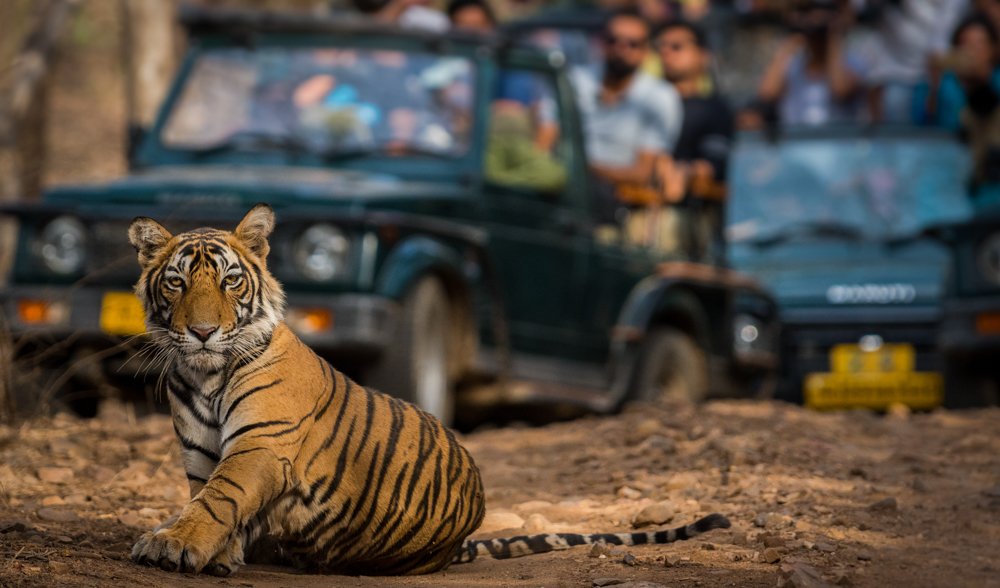
Sawai Madhopur is the ultimate gateway to the untamed wilderness and majestic history of Rajasthan. Known globally for its incredible biodiversity, centuries-old fortifications, and deep spiritual landmarks, this historic region invites thousands of wildlife photographers, adventure seekers, and culture enthusiasts every single year. Exploring the rugged Aravalli and Vindhya hills reveals a landscape where nature seamlessly blends with royal heritage. Planning a trip here requires balancing wild safaris with historical walks to fully capture the essence of this vibrant destination. To make the most of your travel time, it is highly recommended to follow a structured 2-Day Sawai Madhopur Itinerary that covers both the famous wildlife zones and the monumental heritage sites scattered across the district.
1. Ranthambore National Park
Undoubtedly the crown jewel of the region, Ranthambore National Park is one of the premier tiger reserves in India. Spanning over hundreds of square kilometers of dry deciduous forests, grassy meadows, and rocky cliffs, the sanctuary is renowned for its thriving population of Royal Bengal Tigers. Unlike many other dense jungles, the open canopy and dry landscape here make it exceptionally rewarding for spotting these elusive predators basking in the sun or tracking prey near the water bodies.
Beyond the iconic big cats, the park houses an incredibly diverse ecosystem. Visitors frequently spot Indian leopards, sloth bears, striped hyenas, sambar deer, chital, and marsh crocodiles. The park is split into ten distinct safari zones, each offering unique landscapes ranging from deep valleys to wide lakes. A well-timed morning or afternoon safari in an open gypsy or canter is essential to witness the raw food chains and animal behaviors up close. For travelers seeking an immersive wilderness experience, booking a comfortable resort in ranthambore ensures quick, stress-free access to the park gates while providing a peaceful sanctuary to unwind after an active day in the jungle.
2. Ranthambore Fort
Perched high on a 700-foot hill inside the national park, the Ranthambore Fort stands as a magnificent UNESCO World Heritage Site. Built by the Chauhan dynasty in the 10th century, this formidable stronghold has witnessed numerous historic battles, sieges, and shifts of power between the Rajputs and the Mughals. The massive stone walls stretch across the ridgeline, blending perfectly with the natural cliffs to form an impenetrable barrier that once kept invaders at bay.
Walking through the imposing gateways, such as the Hathi Pol and Navlakha Pol, reveals the architectural brilliance of ancient Rajasthan. The fort complex contains ancient palaces, stepwells, cenotaphs, and barracks that tell stories of royal valor and sacrifice. Additionally, the fort offers unparalleled panoramic views of the surrounding tiger reserve, where you can look down at Padam Talao and see herds of deer feeding along the banks.
3. Trinetra Ganesh Temple
Situated inside the historical Ranthambore Fort, the Trinetra Ganesh Temple is one of the oldest and most sacred temples dedicated to Lord Ganesha in India. Built in the 13th century by King Hammir Dev Chauhan, the temple holds immense spiritual significance. It is uniquely famous for housing a rare three-eyed idol of Lord Ganesha, depicted alongside his entire family—his consorts Riddhi and Siddhi, and his sons Shubha and Labha.
Devotees from every corner of the country travel here to seek blessings for new ventures, marriages, and prosperity. A fascinating local tradition involves sending wedding invitations and letters directly to the temple address, where priests read them out to the deity to secure his divine blessings. The journey up the fort to reach the temple grounds fills visitors with a sense of peace, punctuated by the sights of Langur monkeys playing along the ancient stone pathways.
4. Padam Talao and Jogi Mahal
Padam Talao is the largest lake inside Ranthambore National Park and serves as a vital lifeline for the forest’s wildlife. In the early morning hours, the lake becomes a hub of activity as herds of deer, flocks of migratory birds, and even hunting tigers converge on the banks. The water is beautifully adorned with water lilies, giving the lake its symbolic name.
Right on the edge of the water stands the iconic Jogi Mahal, a historic red-stone hunting lodge that once hosted the royal families of Jaipur. While the building itself is a fine example of traditional architecture, the real attraction nearby is the enormous banyan tree, recognized as one of the largest in India. This spot offers an incredible setting for photography, capturing the perfect contrast between historic stone structures, calm waters, and wild greenery.
5. Rajiv Gandhi Regional Museum of Natural History
For those looking to expand their understanding of the local ecology, the Rajiv Gandhi Regional Museum of Natural History in Ramsinghpura is an exceptional educational stop. As one of the few natural history museums in the country, it focuses heavily on the flora, fauna, and geology of Western India, particularly the unique biomes of Rajasthan.
The museum features expansive exhibition galleries filled with highly detailed models, interactive digital displays, and educational dioramas that explain wildlife conservation, the importance of protecting endangered species, and the delicate balance of forest ecosystems. It provides invaluable context for visitors before or after their jungle safaris, making it one of the most enriching things to do in Sawai Madhopur for families, students, and passionate nature enthusiasts alike.