
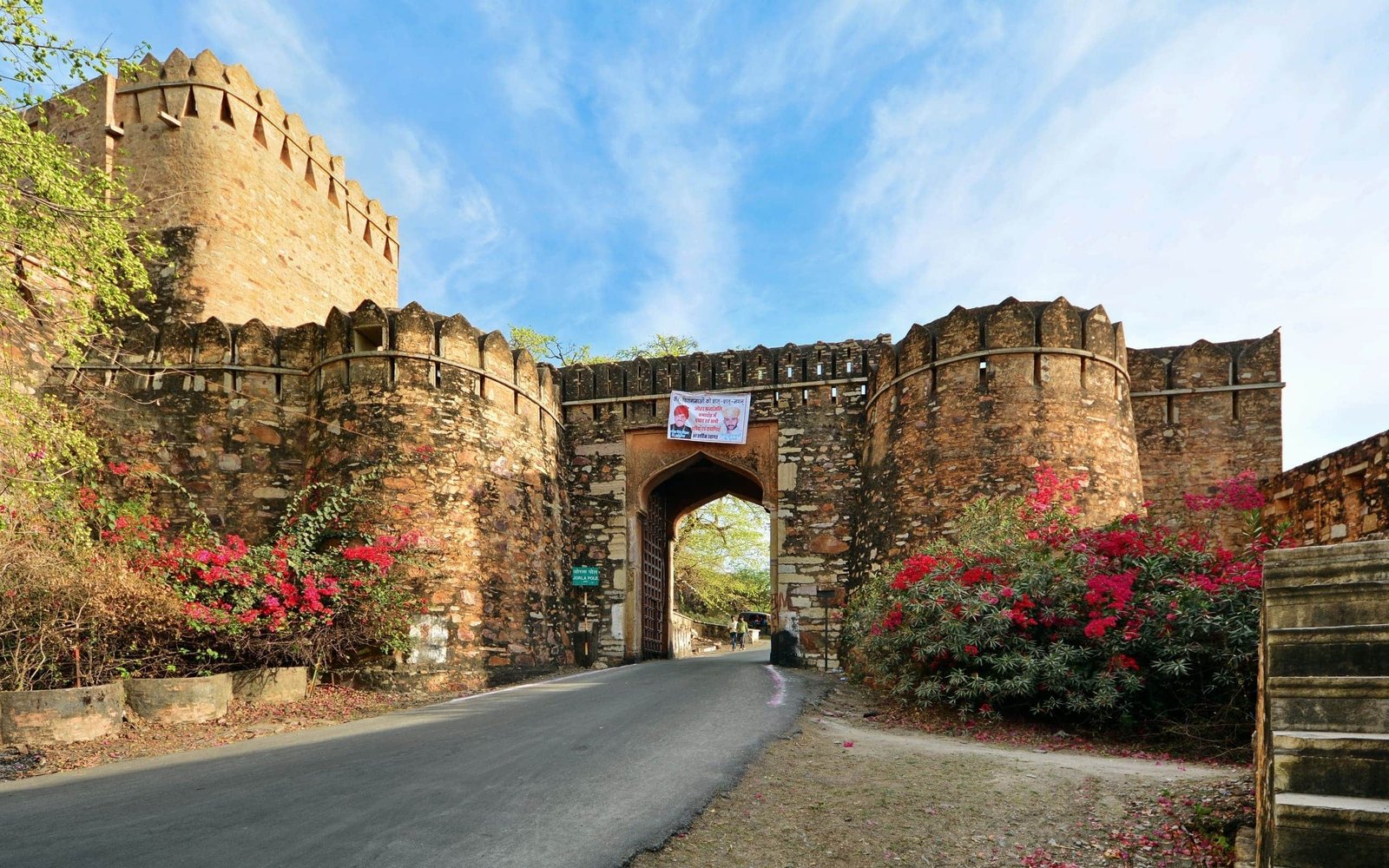
The journey from the romantic lakes of Udaipur to the battle-tested ramparts of Chittorgarh is a deep dive into the soul of Mewar. While Udaipur captures your heart with its shimmering waters and delicate palace architecture, Chittorgarh stands as a monument to raw courage, sacrifice, and architectural grandeur. Covering this distance by road is the preferred choice for travelers who want to experience the changing landscapes, rural charm, and hidden historical gems along the way. Planning this road trip efficiently requires the right balance of historical context, reliable logistics, and a well-paced itinerary.
Seamless Travel Logistics for the Mewar Circuit
Embarking on a road trip across Rajasthan requires dependable transportation to ensure a smooth, stress-free journey. Navigating the highways, managing local traffic, and locating historical points of interest becomes completely effortless when you rely on a premium taxi service in Udaipur. Professional drivers who understand the nuances of the local routes not only ensure your safety but also act as informal guides, sharing regional folklore and recommending authentic highway eateries.
The distance between the two cities is approximately 115 kilometers via the NH 27 highway. The road is well-maintained and heavily traveled, making it a comfortable ride that takes just under two and a half hours. Booking a dedicated udaipur to chittorgarh taxi allows you the flexibility to stop whenever you please, whether it is to photograph the lush mustard fields in winter or to take a quick break at a local tea stall.
For larger families, corporate groups, or travelers journeying with extensive luggage, standard sedans can quickly feel cramped. Group travelers often look for vehicles that offer enhanced legroom, superior air conditioning, and panoramic windows to enjoy the scenic vistas. Choosing a luxury urbania traveller in Chittorgarh ensures that every member of the group travels in absolute comfort, arriving at the historic fort fresh and ready to explore its massive layout.
Key Sightseeing Stops Along the Route
While the final destination holds immense historical weight, the route itself offers subtle glimpses into Rajasthan’s rich heritage. A few noteworthy stops can turn your transit time into an active part of your sightseeing experience.
- Menal Temple Complex: Located slightly off the main track but highly accessible, this ancient site features stunning 12th-century architecture dedicated to Lord Shiva. The intricate stone carvings and the spectacular gorge look particularly breathtaking during or just after the monsoon season.
- Sanwaliya Seth Temple: Situated in Mandaphiya, this highly revered temple dedicated to Lord Krishna is a major pilgrimage site. The stunning modern architecture, vibrant atmosphere, and elaborate marble work make it an excellent cultural stopover to break up the drive.
- Local Highway Dhabas: The highway is peppered with authentic eateries serving traditional Rajasthani food. Stopping for fresh, piping hot pyaaz kachoris or a traditional meal of dal baati churma prepared over wood fires adds a rich culinary layer to your journey.
Exploring the Grandeur of Chittorgarh Fort
Rising dramatically from the surrounding plains, the Chittorgarh Fort is a UNESCO World Heritage Site that spans over 700 acres. Unlike compact palaces, this massive hilltop fortress is an entire city unto itself, requiring several hours to explore thoroughly.
The Sentinels of Victory and Fame
Two iconic towers dominate the fort’s skyline, each telling a distinct story of the region’s past. The Vijay Stambh, or Tower of Victory, was constructed by Rana Kumbha to commemorate his triumph over the combined armies of Malwa and Gujarat. Standing nine stories high, it is covered in exquisite sculptures depicting Hindu deities and scenes from epic scriptures. A short distance away stands the Kirti Stambh, or Tower of Fame. This older, seven-story structure is dedicated to the first Jain Tirthankara, Rishabhatha, and features deeply detailed carvings reflecting Digambara Jain traditions.
Royal Palaces and Sacred Waters
Walking through the ruins of Rana Kumbha Palace gives visitors a glimpse into the earliest architectural styles of the Mewar rulers. This palace is historically significant as the birthplace of Maharana Udai Singh and the site where the legendary saint-poetess Mirabai lived. Nearby, the Padmini Palace overlooks a serene water body. The unique reflection of the palace against the water creates a visual spectacle that has inspired countless historical narratives and local legends for generations. The fort’s water management is best observed at the Gaumukh Reservoir, a deep water tank fed by a natural spring that flows from a rock shaped like a cow’s mouth.
Practical Tips for an Ideal Trip
To maximize your sightseeing experience, timing and preparation are key. The best months to plan this trip are between October and March when the weather is pleasantly cool, making the extensive walking required at the fort highly enjoyable. Starting your day early from Udaipur—ideally by 7:30 AM—ensures you beat the heavy highway traffic and arrive at the fort before the midday sun peaks. Be sure to wear comfortable walking shoes, carry sun protection, and hire a certified local guide at the fort entrance to truly appreciate the historical depth, structural engineering, and legendary tales embedded within the ancient stone walls.