
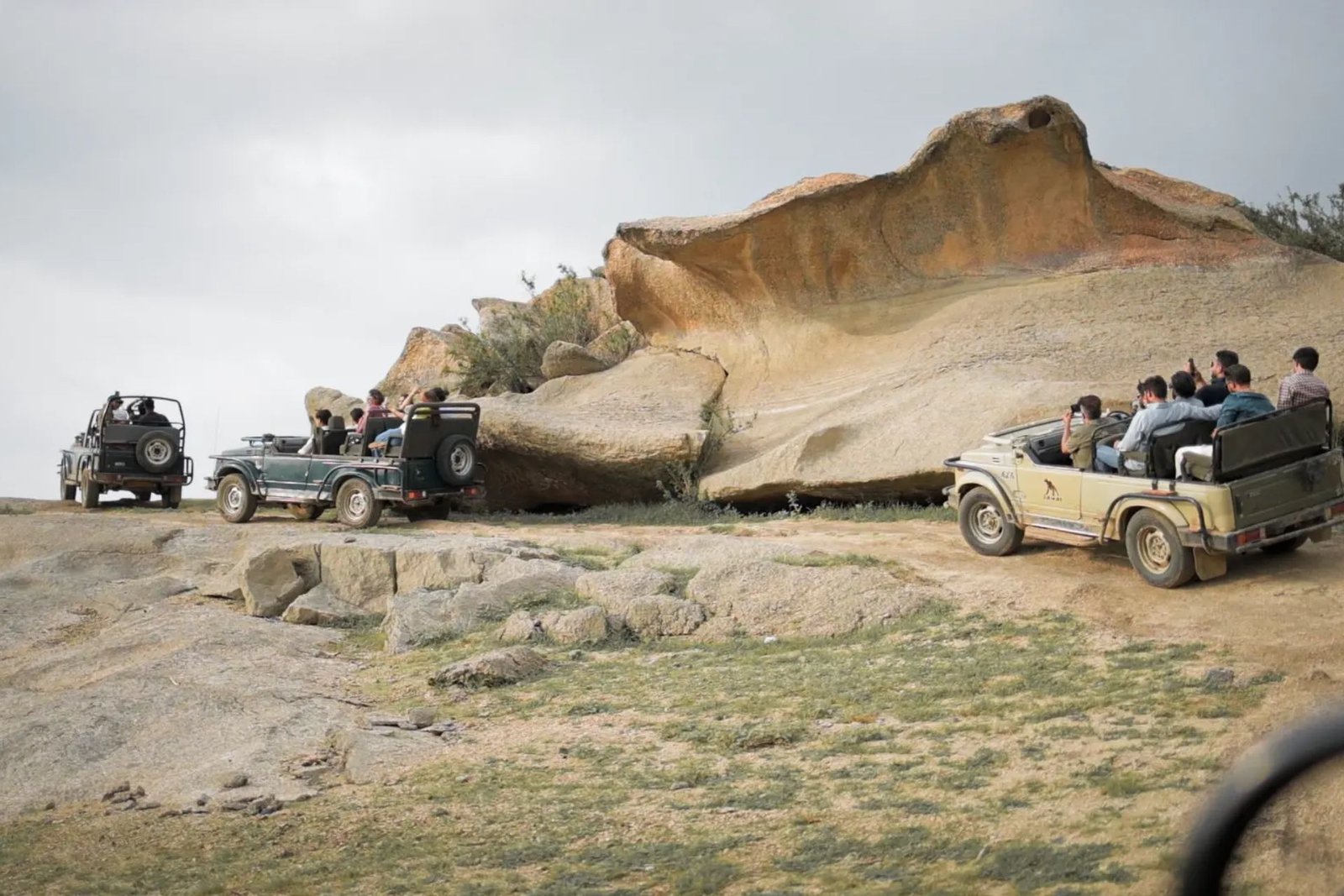
The monsoon season transforms the rugged, arid topography of Rajasthan into an emerald paradise. While most national parks across India pull down their gates during the rainy season due to dense undergrowth and swampy paths, the unique granite formations of Jawai remain open and remarkably accessible. The ancient rock structures shed water quickly, making it a highly rewarding time for offbeat travelers, photographers, and nature enthusiasts. Experiencing this wilderness under dramatic, overcast skies offers a completely fresh perspective on the region’s dynamic ecosystem. Planning a rainy season getaway requires choosing the right sanctuary spots, recognizing changing wildlife behaviors, and finding the perfect retreat.
Jawai Bandh and the Swelling Reservoir
The center of life in this region is the Jawai Dam, or Jawai Bandh. During the months of July through September, the monsoon rains breathe new life into this massive reservoir, causing the water levels to rise dramatically against the backdrop of the Aravalli hills. The sweeping views become surreal as mist settles over the water and the surrounding rocky outcrops turn a vibrant green.
For birdwatchers, the rising water level creates an incredibly rich feeding ground. Even before the winter migratory rush, the monsoon attracts an array of resident birds, including sarus cranes, ibises, and various herons active along the shoreline. Moreover, the dam is famous for its thriving population of mugger crocodiles. As the rains cool the air, these massive reptiles can frequently be spotted basking along the edge of the water or gliding stealthily through the filled inlets. A late afternoon drive to the vantage points around the dam provides an immersive view of this rejuvenated wetland.
The Granite Hills and Cave Systems
Jawai’s definitive characteristic is its billion-year-old granite formations. These hills are honeycombed with natural caves and deep rock fractures that serve as the primary shelters for the region’s famous big cats. Unlike dense forest reserves where heavy downpours severely block visibility, the semi-arid, rocky slopes here offer open lines of sight even when the vegetation thickens.
Visiting these hills during a light drizzle or right after a rain shower is a distinct experience. The wet granite takes on a deep, dark sheen that contrasts sharply with the new, bright green grass. Local naturalists who understand the exact territorial mapping track the movements of the feline families as they navigate the slippery ridges. While the rains might occasionally prompt the cats to seek the deep shelter of their caves, dry spells between showers frequently bring them out onto the flat rocks to dry their coats, creating exceptional opportunities for high-contrast wildlife photography.
Dev Giri Temple Hill
Spiritual heritage and natural wilderness blend perfectly at the Dev Giri temple. Carved directly into a massive monolithic rock, this temple is dedicated to the local deity Ashapura Mataji. The site is a living testament to the extraordinary coexistence between humans and apex predators in this region. The local Rabari herders regularly ascend the stone steps to offer prayers, often walking past the very caves where wild families rest.
During the monsoon, the climb up Dev Giri becomes exceptionally scenic. Small streams of rainwater trickle down the rock faces, and the surrounding scrubland bursts into life. It is not uncommon for early morning or late evening visitors to catch a glimpse of a big cat resting on the stone stairs or rocky ledges near the temple complex. The spiritual quietude combined with the raw, misty wilderness makes it a mandatory stop on any monsoon itinerary.
Planning Your Wildlife Excursion
To truly appreciate this landscape, heading out on a structured drive is essential. Navigating the rugged terrain requires open 4×4 vehicles driven by expert trackers who know how to safely handle the wet trails. Embarking on a Jawai Leopard Safari during the monsoon offers a private, crowd-free alternative to the chaotic peak winter rush.
With fewer vehicles on the tracks, the environment stays remarkably quiet, allowing travelers to observe natural animal behavior without distraction. The morning drives reveal the fresh, clean atmosphere of the hills waking up, while the evening excursions present dramatic crimson and gold sunsets breaking through heavy storm clouds. Local trackers read the subtle signs, such as alarm calls from langurs or fresh tracks left in the damp sandy stretches, ensuring that the journey into the wilderness is both educational and thrilling.
Selecting the Right Wilderness Retreat
A successful monsoon journey depends heavily on your choice of base camp. The rainy season demands a balance between rugged exploration and reliable, cozy comfort. Selecting an established resort in jawai guarantees that you have a warm, secure place to return to after a damp off-road excursion.
The ideal property should offer panoramic views of the transforming landscape, allowing you to enjoy the rain-washed hills right from your deck. Travelers can unwind with a hot cup of traditional masala chai under a sheltered canopy, listening to the distant calls of the wilderness as night falls. Top-tier properties combine excellent hospitality with responsible eco-tourism practices, ensuring that your stay supports the delicate balance of the local ecosystem while providing top-notch regional cuisine and modern amenities.
Booking All-Inclusive Custom Packages
Because weather patterns can cause quick adjustments to daily schedules, booking an all-inclusive arrangement is highly recommended. Choosing a comprehensive Jawai leopard safari package simplifies your travel logistics by grouping accommodation, regional meals, and guided 4×4 tracks into a seamless plan.
Many luxury operators offer attractive seasonal options during the monsoon, giving travelers access to highly personalized attention from dedicated naturalists. These packages often include guided village walks to meet the Rabari shepherds, allowing you to deeply understand the cultural and religious fabric that protects these hills. Securing an all-inclusive stay ensures a stress-free exploration of Rajasthan’s most unique wildlife sanctuary during its most visually stunning season.