
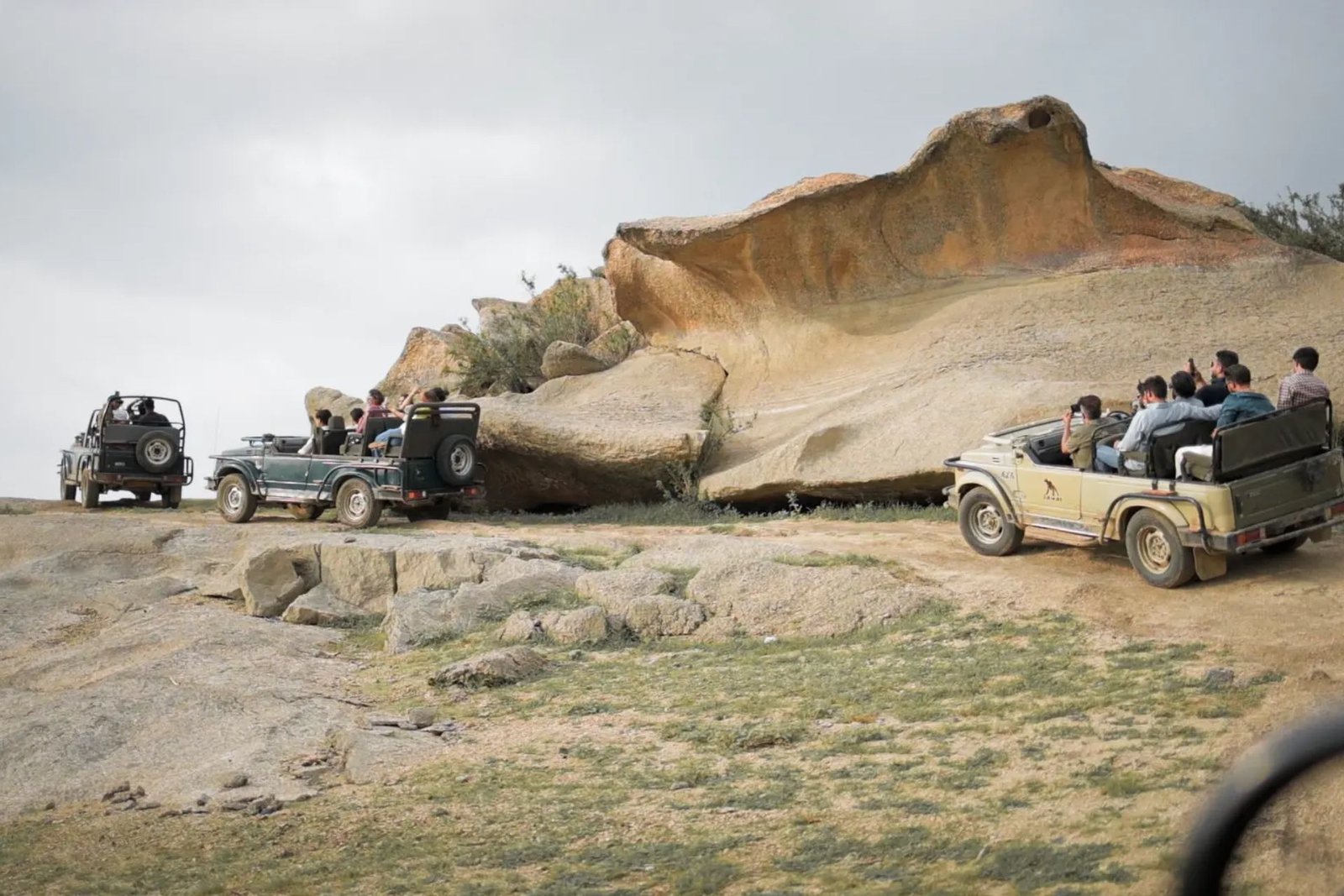
Planning a wilderness expedition into the heart of Rajasthan’s granite hills offers a rare glimpse into a landscape where apex predators and human communities coexist peacefully. Unlike traditional national parks bounded by rigid fences and paved roads, Jawai presents a raw, open ecosystem defined by ancient monoliths, scrub forests, and the tranquil waters of the Jawai Bandh reservoir. Navigating this unique environment requires thoughtful planning, respect for local ecology, and a clear understanding of regional safari dynamics. To ensure your journey is seamless, rewarding, and ecologically responsible, here is an essential breakdown of the vital dos and don’ts every traveler must know before reserving their wilderness slot.
The Essential Dos for Your Wilderness Journey
Do Book Your Safari Drives Well in Advance
The wilderness surrounding Jawai operates on a private and community-managed conservancy model rather than a government-controlled tiger reserve system. This means jeep numbers are regulated to protect wildlife habitats from overcrowding. Booking your drives ahead of time ensures securing experienced local trackers who understand feline movement patterns and territorial behaviors. Early reservations also give you first choice over prime morning or late afternoon drive times, when big cats are most active along the rock faces.
Do Choose Your Accommodation Thoughtfully
Your choice of stay directly influences the depth and quality of your wilderness adventure. Staying at a dedicated resort in jawai positions you close to key wildlife corridors, reducing travel time to the wilderness tracks during pre-dawn hours. Properties embedded naturally within the landscape often feature resident naturalists who provide rich context on local flora, migratory birds, and regional conservation history before you even step inside a 4×4 vehicle.
Do Dress in Neutral Earth Tones
Wildlife species possess acute vision and are easily startled by unnatural, high-visibility colors like bright reds, neon yellows, or stark whites. When packing your safari wardrobe, opt for subtle tones such as olive green, khaki, beige, tan, or muted gray. Layering is equally critical; morning drives in the desert terrain can be surprisingly chilly during winter months, while afternoons quickly warm up under the bright Rajasthani sun.
Do Carry Professional Optical Gear
Because leopards in this region often lounge high atop massive granite kopjes, a sturdy pair of binoculars (8×42 or 10×42 magnification) transforms your viewing experience from a distant silhouette into an intimate encounter. Photographers should bring telephoto lenses ranging between 300mm and 600mm to capture crisp imagery without needing vehicles to approach animals too closely.
Do Respect Local Rabari Pastoralists
The indigenous Rabari herdsmen are the true guardians of this land. Their cultural reverence for big cats is the reason human-wildlife conflict remains virtually non-existent here. When passing through local hamlets or encountering herdsmen grazing their livestock, always treat them with immense courtesy. Always ask for explicit permission before photographing local villagers.
Critical Don’ts to Keep in Mind
Don’t Expect a Fenced National Park Environment
One of the most common misconceptions visitors hold is treating Jawai like a traditional zoo or fenced sanctuary. The terrain is completely open and wild. Animals move freely across village borders, agricultural fields, and rocky outcrops. A rewarding Jawai leopard safari relies on patience, tracker expertise, and an appreciation for the whole ecosystem—including hyenas, crocodiles, nilgai, and over 200 species of resident and migratory birds.
Don’t Pressure Your Driver to Off-Road
It can be tempting to request drivers to venture off established dirt tracks to get closer to a sighted animal. Resist this urge completely. Driving off designated trails crushes delicate desert flora, destroys ground-nesting bird habitats, and stresses wildlife. Professional drivers understand animal behavior and will position the vehicle at a safe, respectful distance that yields excellent viewing without causing distress.
Don’t Make Sudden Movements or Loud Noises
Silences on the trail are golden. Felines have exceptionally sensitive hearing, and sudden shouts, loud chatter, or ringtones will instantly prompt them to retreat into deep rock crevices. Keep your voice to a low whisper while parked near sightings, mute all electronic devices, and avoid sudden standing movements inside the open jeep.
Don’t Use Flash Photography or Drones
Flash illumination blinds nocturnal animals and can provoke defensive aggression. Similarly, unauthorized drone operation is strictly prohibited across the region. Drones disrupt avian nesting sites, panic livestock, and stress big cats resting on exposed hilltops. Stick strictly to natural light photography.
Don’t Leave Any Plastic or Litter Behind
The ecosystem here is delicate, and plastic pollution poses a severe threat to domestic livestock and wild herbivores alike. Always pack out whatever you bring in. Carry reusable water containers, avoid single-use plastic wrappings on the trail, and ensure all trash is disposed of in secure bins back at your lodge.
Quick Reference Summary
| Category | Recommended Practice | Avoid At All Costs |
| Attire | Muted earth tones (Khaki, Olive, Beige), layered clothing | Bright neon colors, stark whites, heavy perfumes |
| Behavior | Whispering, patient observation, staying seated | Sudden movements, standing up, loud phone calls |
| Photography | Long telephoto lenses, natural lighting | Flash photography, flying unauthorized drones |
| Environment | Respecting wildlife distances, staying on tracks | Off-roading, littering, feeding wild animals |
By keeping these fundamental guidelines in mind, you protect a delicate wilderness ecosystem and set the stage for an unforgettable, authentic safari adventure. Respecting the land, its people, and its wildlife ensures that this magnificent granite sanctuary remains thriving for generations to come.