
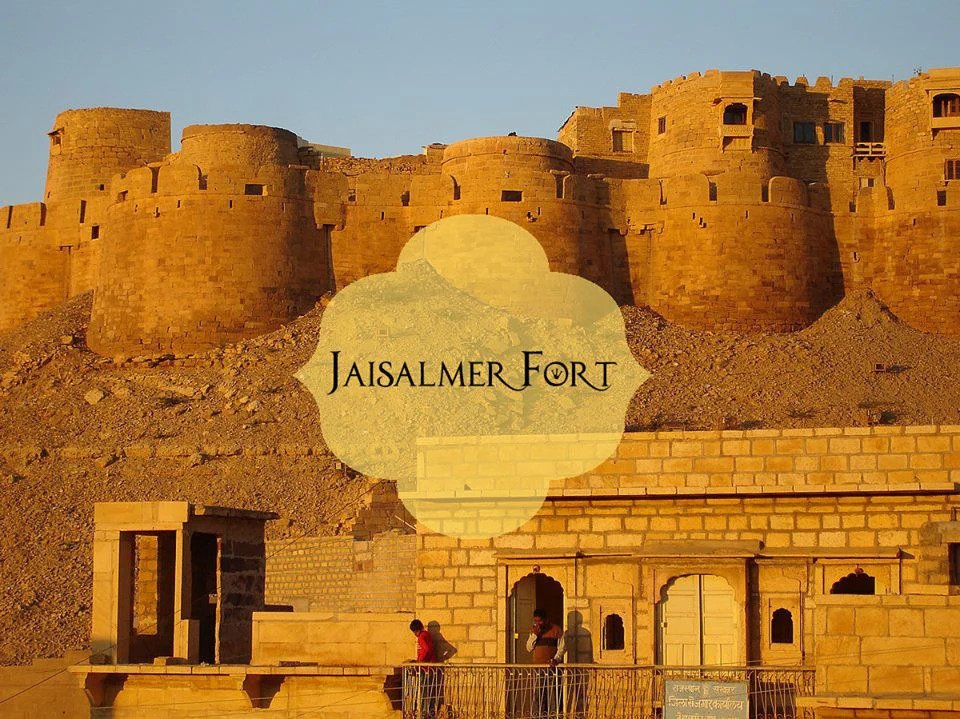
Rising like a massive golden crown over the endless sands of the Thar Desert, the historic citadel of Jaisalmer stands as a monumental testament to Rajput architecture and military genius. Known locally as Sonar Quila, or the Golden Fortress, this mesmerizing architectural marvel is unique across the globe. Unlike static monuments preserved purely as historical showcases, this spectacular fortress remains one of the world’s very few functional, inhabited urban strongholds, where a vibrant community still lives, works, and preserves ancestral traditions behind medieval walls.
The Magnificent Origins and Architecture of Sonar Quila
Founded in 1156 AD by the Bhati Rajput ruler Rawal Jaisal, the fortress derives its name and foundational legacy from this strategic ancient ruler. Engineered carefully upon the elevated triangular expanse of Trikuta Hill, its geographic placement was intentionally chosen to overlook and control lucrative trade routes running across central Asia.
The structural brilliance of this fortress lies in its exclusive construction material. Built entirely from local yellow sandstone, the colossal walls possess an almost magical optical property. Under the brilliant glare of the midday sun, the stones flash a blazing lion-tawny hue, shifting gracefully to a deep, glowing honey-gold as dusk settles over the desert landscape. This unique visual trait naturally blends the entire mountain fortress into the surrounding dunes, creating a historic defensive optical illusion.
Defensively, the fortress is flanked by a triple-ringed perimeter featuring 99 massive, semicircular bastions built to withstand heavy siege warfare. Visitors entering this timeless citadel must pass through four consecutive, fortified wooden and stone gateways—Akhai Pol, Ganesh Pol, Hawa Pol, and Suraj Pol—each historically guarded by heavily armed soldiers and defensive artillery to repel invaders.
Exploring the Royal Treasures and Havelis Within the Walls
Stepping past the final monumental gateway opens up a bustling world of narrow, labyrinthine alleys, historic residences, and vibrant market stalls. The heart of the internal complex belongs to the Raj Mahal, the multi-storied former royal palace museum that showcases an elite architectural blend of Islamic craftsmanship and Rajput design. Within the palace, visitors can explore the ornate Rang Mahal, marvel at intricately carved marble thrones, and look through small, artistic galleries preserving 15th-century weapons, royal clothing, and painted manuscripts.
Wandering deeper into the stone pathways reveals the spectacular merchant mansions known as havelis. Built by incredibly wealthy silk and spice traders of the 18th and 19th centuries, these multi-level residences feature jaw-dropping sandstone screens, complex balconies, and hand-carved pillars. Notable structures such as Nathmal Ji Ki Haveli—designed simultaneously by two builder brothers leaving asymmetrical architectural signatures—and the multi-winged Patwon Ki Haveli showcase the incredible heights of ancient Rajasthani stone-carving mastery.
The Sacred Jain Temples: Masterpieces in Sandstone
No exploration of the inner citadel is truly complete without visiting the historic complex of seven interconnected Jain Temples, constructed progressively between the 12th and 16th centuries. Dedicated to revered Jain Tirthankaras like Sambhavanatha and Rishabhadeva, these sacred structures double as breath-taking galleries of medieval Indian spiritual art.
Every single square inch of these sandstone structures is carved with dynamic human figures, celestial dancers, geometric patterns, and sacred animals. The interior corridors link together like a quiet, cool labyrinth, leading down to secure underground vaults that house thousands of rare, ancient palm-leaf manuscripts and brilliantly preserved stone idols. The serene, spiritual atmosphere inside provides a stark, meditative contrast to the bustling, sun-drenched markets outside the temple steps.
Immersive Sightseeing Tips for Modern Travelers
To fully experience the authentic magic of this living medieval city, planning your sightseeing schedule around the desert sun is highly recommended. The early morning hours offer cool, comfortable walking conditions and soft lighting ideal for capturing crisp photographs of the historic stonework without heavy tourist crowds. Alternatively, watching the sunset from the high western bastions provides an unforgettable panoramic view as the modern city below and the vast desert horizon change colors in unison.
Hiring a certified local guide is highly beneficial, as they share gripping historical accounts of ancient battles, royal sieges, and the legendary acts of collective sacrifice known as Jauhar that shaped the regional history. Remember to wear comfortable walking shoes to safely navigate the steep, uneven cobblestone paths, and keep some local currency handy for purchasing authentic leather goods, block-printed textiles, and handmade silver jewelry from artisans working inside the fort walls.
Extending Your Journey into the Thar Desert
After spending your day absorbing the dense history and architectural wonders of the iconic Golden Fort Jaisalmer, the ultimate way to complete your Rajasthani journey is by heading out into the mystical silence of the deep desert. Leaving the stone ramparts behind for the rolling sand dunes allows you to experience the true dual nature of this legendary border territory.
For travelers looking to seamlessly combine historical exploration with a spectacular outdoor desert experience, a comprehensive 01 Night 2 Days Jaisalmer Group Package provides an excellent, well-paced itinerary. This curated trip smoothly bridges your daytime fort sightseeing with an unforgettable evening getaway to the magnificent Sam Sand Dunes, located just a short drive from the main city.
As night falls over the desert, staying at a luxury camp in Jaisalmer transforms your historic tour into a regal desert holiday. Underneath a brilliantly clear, star-filled sky, you can relax beside a warm bonfire, enjoy traditional Rajasthani folk dance performances, taste authentic local cuisine, and sleep comfortably in premium Swiss tents, recreating the timeless hospitality that once welcomed desert kings.