
Planning a short trip to the Kashmir Valley requires realistic route pacing rather than an overcrowded checklist. Many travelers make the mistake of trying to cover Srinagar, Gulmarg, Pahalgam, and Sonamarg within seventy-two hours, which results in spending the majority of the vacation inside a vehicle. At Dimple Tour and Travels, we operate directly out of our office at Paray Chowk in Shalimar, Srinagar, and we design every short itinerary around actual mountain road conditions, seasonal daylight hours, and verified transit times. Whether you are arriving on a morning flight at Sheikh ul-Alam International Airport or transitioning from a regional rail connection, a three-day journey works best when you anchor your stay in Srinagar and execute single-direction mountain excursions. As a J&K Tourism registered tour operator in Kashmir, our on-ground team has refined this route guide to help you experience the authentic cultural heritage and alpine landscapes of the valley without logistical friction.
Day 1: Srinagar Heritage, Mughal Terraces, and Dal Lake
Your first day should focus entirely on acclimatizing to Srinagar’s elevation of 1,585 meters while exploring its historic waterfronts. Rather than rushing toward distant mountain passes immediately after landing, use the afternoon to visit the eastern shore of Dal Lake along Boulevard Road. Start at the terraced Mughal gardens, specifically Nishat Bagh and Shalimar Bagh, which sit just minutes away from our local Shalimar base. Visiting these gardens in the late afternoon provides soft directional light against the Zabarwan Mountain range and allows you to avoid peak midday tour groups.
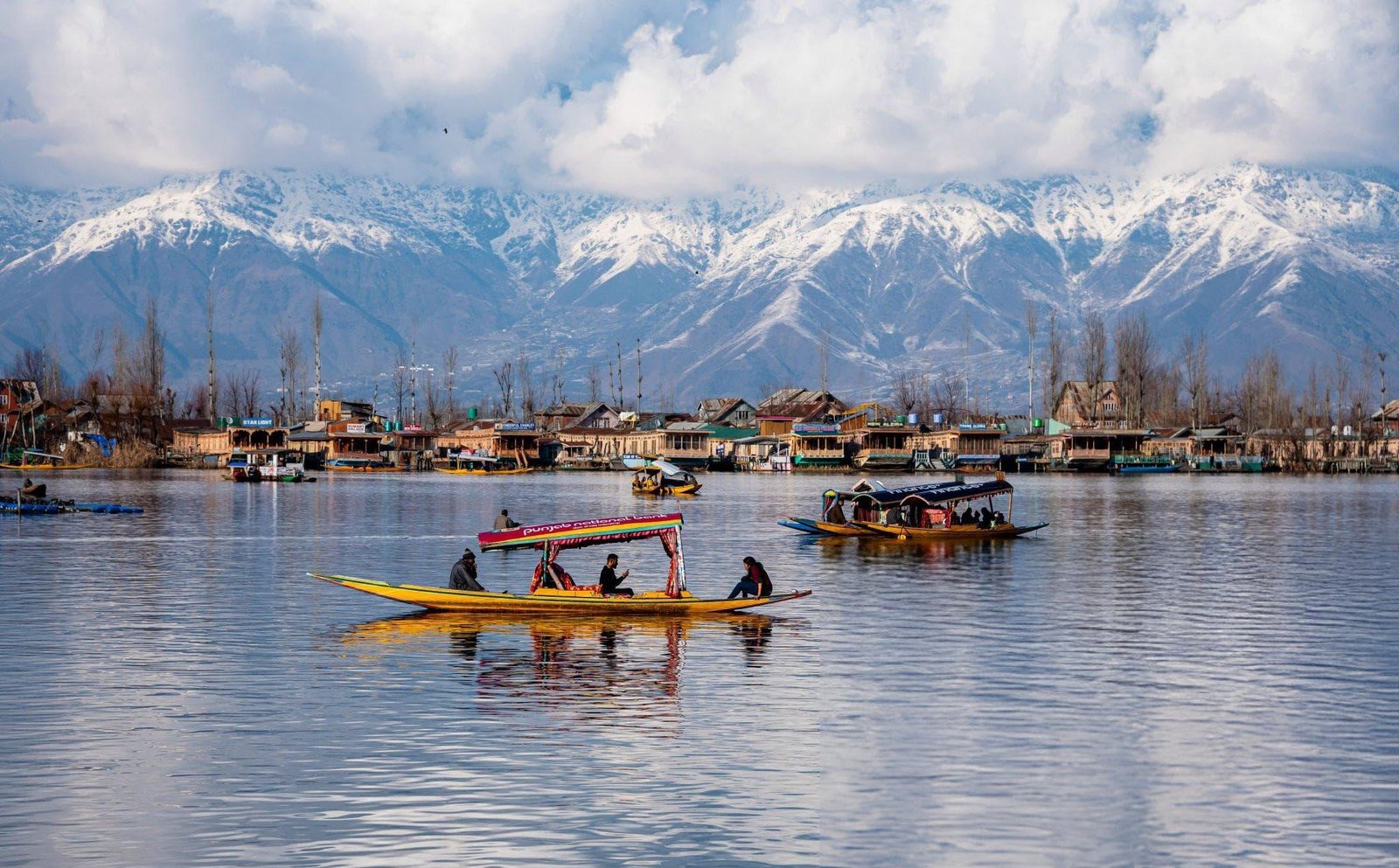
Before dusk, transition to a traditional cedarwood houseboat on Dal Lake or the quieter Nigeen Lake. Checking into an inspected houseboat ensures reliable central heating, clean modern plumbing, and authentic Kashmiri Khatamband walnut-wood ceilings. End your first evening with a silent one-hour Shikara cruise toward Nehru Park and the floating vegetable garden channels. Carrying a light windproof jacket is essential even during summer months, as temperatures drop rapidly over the open water once the sun dips behind the Pir Panjal peaks.
Day 2: The High-Altitude Gulmarg Excursion
On your second day, dedicate the full schedule to Gulmarg, located approximately 52 kilometers west of Srinagar. The drive takes roughly two to two-and-a-half hours depending on traffic through Magam and the final winding ascent from Tangmarg. Departing Srinagar by 8:00 AM is critical if you plan to ride the Gulmarg Gondola, as ticket queues and boarding slots tighten significantly by late morning.
- Phase 1 (Kongdoori Station): Ascends to 8,530 feet, offering wide alpine meadows ideal for short walks and winter snow activities.
- Phase 2 (Apharwat Peak): Climbs to 13,780 feet, delivering panoramic views across the Pir Panjal range and, on clear mornings, the distant summit of Nanga Parbat.
- Local Transit Rule: Commercial vehicles from Srinagar are restricted at the Gulmarg entry point during heavy snow or peak season, requiring travelers to use local union snow jeeps or walk between the main bowl and the Gondola base.
- Return Buffer: Begin your descent back toward Tangmarg and Srinagar by 3:30 PM to ensure you navigate the mountain switchbacks in full daylight.
Day 3: Choosing Between Pahalgam or Local Srinagar Culture
Your final day depends heavily on your departure flight schedule. If you have an evening departure or an extra morning buffer, a day excursion toward the Lidder Valley in Pahalgam covers roughly 90 kilometers each way via the NH44 highway. This route passes through the historic saffron plateaus of Pampore and the ninth-century stone ruins of Avantipura before reaching the riverside pine forests of Pahalgam. Because round-trip transit takes nearly five hours, travelers on tight afternoon flight schedules should skip Pahalgam and instead visit the hilltop Shankaracharya Temple for a 360-degree view of Srinagar, followed by browsing authentic Pashmina and walnut-wood craft workshops in the old city. Travelers looking to compare multi-valley routes can review our curated Kashmir sightseeing tour packages to see how overnight stays in Pahalgam or Sonamarg alter daily driving distances.
Essential Route Logistics and Local Planning Standards
Navigating Jammu and Kashmir requires specific operational preparation that differs from standard plains travel. External postpaid mobile SIM cards work reliably across Srinagar, Gulmarg, and Pahalgam, whereas prepaid SIM cards issued outside Jammu and Kashmir do not connect to local towers. Furthermore, standard tourist vehicles cannot enter the inner valleys of Pahalgam—such as Aru Valley, Betaab Valley, and Chandanwari—due to local union regulations, so travelers must budget separately for registered local cabs at those specific points.
For travelers who prefer a pre-arranged itinerary with transparent pricing—covering all state tolls, fuel, driver allowances, and verified lake accommodations without hidden heater surcharges—our Kashmir 3 Nights & 4 Days Tour provides a structured framework built around these exact route timings. Every itinerary managed by Dimple Tour and Travels includes direct support from our Srinagar, ensuring real-time weather updates and seamless transfers from arrival to departure.