
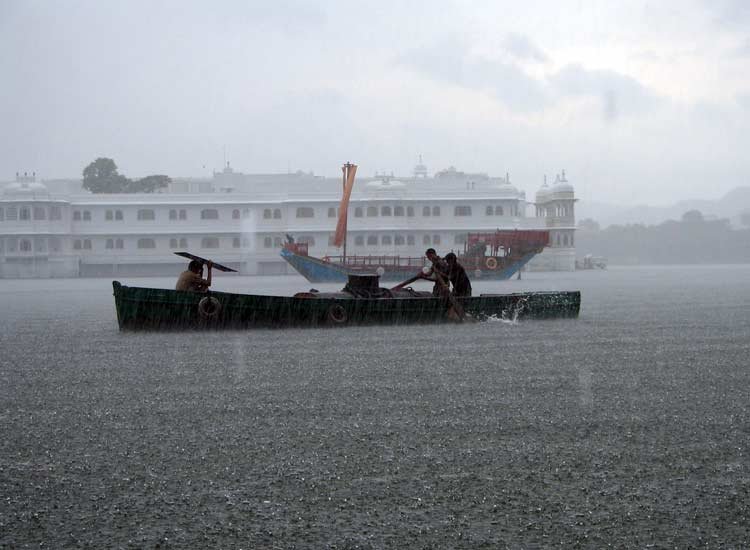
Udaipur, widely celebrated as the Venice of the East, is a mesmerizing destination characterized by majestic palaces, tranquil lakes, and rolling hills. Planning a trip to this romantic city requires a clear understanding of its distinct seasonal variations to ensure an unforgettable travel experience. Whether you are looking forward to a comprehensive Udaipur full day tour or embarking on a wider Rajasthan heritage tour, timing your visit correctly makes all the difference. To help you plan seamlessly, a reliable tour operator in Rajasthan can also assist in crafting an itinerary tailored to your preferred climate.
Understanding the Seasonal Climate in Udaipur
The city experiences three primary seasons: winter, monsoon, and summer. Each season offers a completely different atmosphere, dictating how travelers interact with local landmarks, outdoor attractions, and cultural celebrations. Analyzing these patterns helps align your vacation goals with the most suitable months of the year.
Winter: The Peak Season for Sightseeing
Winter spans from October to March and is widely regarded as the finest period to explore the region. During these months, daytime temperatures remain comfortable and cool, typically ranging from 10°C to 25°C. Crisp mornings and pleasant afternoons create an ideal environment for walking tours around the historic lanes, boat rides on Lake Pichola, and extended visits to the massive City Palace complex. Cultural enthusiasts visiting in late December can also experience vibrant local events such as the Shilpgram Crafts Fair, which highlights traditional folk arts and regional artistry. Because the weather is exceptionally welcoming, this period attracts a high volume of global tourists, making advance bookings essential for a smooth holiday.
Monsoon: A Lush and Romantic Escape
Stretching from July through September, the monsoon season transforms the arid surroundings into a vibrant landscape of rich greens. Rainfall rejuvenates the Aravalli hills and fills the local water reservoirs to capacity, providing breathtaking photographic opportunities and a peaceful ambiance. While intermittent showers can occasionally interrupt outdoor itineraries, couples and nature lovers often favor this time for its romantic charm and significantly smaller crowds compared to the winter peak. Exploring garden spaces like Saheliyon Ki Bari during a gentle drizzle offers a uniquely serene perspective of the destination.
Summer: Warm Days and Budget Travel
Summer arrives in April and extends through June, bringing intense heat with daytime temperatures frequently exceeding 38°C. Sightseeing during peak afternoon hours can be physically draining, leading most travelers to restrict outdoor excursions to the cooler early mornings and late evenings. However, this off-peak window presents distinct advantages for budget-conscious individuals. Accommodation providers and local transport services frequently offer substantial discounts, allowing visitors to experience luxury properties at a fraction of standard rates while avoiding large tourist crowds.
Summary of Timing Tips for Travelers
Choosing when to pack your bags depends heavily on your personal preferences for weather and crowd density. For ideal sightseeing conditions, prioritize the cooler winter months between November and February. If lush scenery and dramatic skies take precedence over everything else, plan your trip during the post-monsoon window in September. Alternatively, travelers seeking solitude and economic savings will find the summer months advantageous, provided they prepare adequately for the regional heat.