
A road journey from the City of Lakes into the granite wilderness of Pali district presents one of Rajasthan’s most striking landscape transitions. While Udaipur mesmerizes travelers with its palatial marble architecture and quiet lakes, Jawai Bandh offers an untamed expanse where prehistoric boulder formations host a thriving population of wild big cats living harmoniously alongside the pastoral Rabari tribe. Planning this trip requires thoughtful timing, well-spaced sightseeing stops, and a deep appreciation for the unique ecosystem of the region.
The Journey from Udaipur to Jawai: Distance, Route, and En-Route Highlights
The road journey spans approximately 135 to 150 kilometers, depending on your exact route, typically taking between 3 to 3.5 hours by private taxi or personal vehicle. The smoothest drive proceeds along NH 27 before diverting onto local highways via Pindwara and Nana towards Sumerpur and Bera. For travelers who enjoy combining heritage with wilderness, taking a slight detour via Ranakpur reveals the 15th-century Chaturmukha Dharana Vihara, globally acclaimed for its intricate marble carvings supported by more than 1,400 pillars. Alternatively, heading through Kumbhalgarh offers expansive panoramic vistas of the massive Aravalli ramparts before descending into the boulder-strewn plains of Jawai.
Selecting Your Base: Experience and Comfort
Upon arrival, setting up your base at a serene wilderness property near the dam backwaters ensures you stay connected to nature without sacrificing modern conveniences. Guests seeking curated hospitality, regional Mewari and Marwari culinary dishes, and immediate access to knowledgeable safari trackers frequently choose a luxury resort in Jawai. Properties situated right against the rugged granite terrain allow visitors to observe migratory wetland birds and stunning dusk reflections across the reservoir right from their rooms.
Essential Sightseeing and Wildlife Experiences in Jawai
Jawai is unlike conventional fenced national parks; it operates as an open landscape where leopards roam freely across billion-year-old volcanic granite kopjes. To make the absolute most of your visit, consider these primary sightseeing activities:
- Morning and Evening Granite Hill Safaris: Board customized 4×4 open safari jeeps navigated by experienced trackers and local drivers. These vehicles traverse steep rock inclines to reach vantage points where leopards frequently bask in the morning sun or hunt during twilight hours.
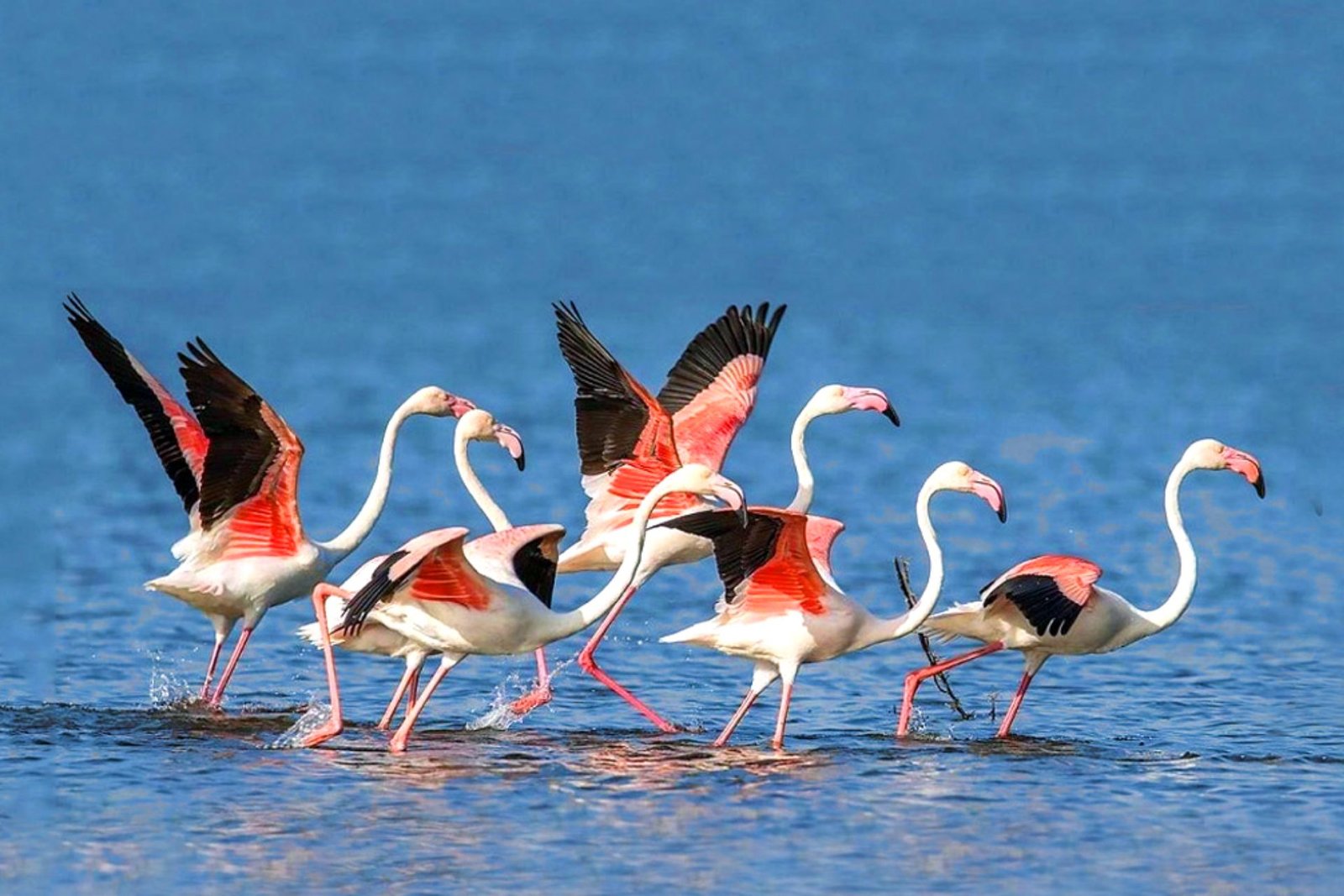
- Jawai Dam and Crocodile Spotting: Built across the Jawai River, the dam is the lifeline of the western Rajasthan region. During boat vantage tours or shoreline walks, you can safely observe large Indian mugger crocodiles sunning themselves on riverbanks alongside vast flocks of pelicans, bar-headed geese, and flamingos.
- Cultural Immersion with the Rabari Herders: The Rabaris are semi-nomadic pastoralists recognizable by their distinctive crimson turbans and traditional attire. Their centuries-old spiritual reverence for local wildlife explains why big cats and villagers have coexisted peacefully here without retaliatory conflict.
- Devgiri Cave Temple Visit: Carved naturally beneath giant granite boulders, this temple honors local deities and serves as a fascinating example of how humans and leopards share the exact same territory.
A Well-Balanced 2-Day Sightseeing Itinerary
Structuring your travel days ensures that you experience both the relaxation of a resort getaway and the excitement of wildlife tracking:
- Day 1: Departure, Arrival, and Sunset Safari: Depart Udaipur after breakfast around 8:00 AM. Arrive in the Jawai region by noon, check in, enjoy a fresh regional lunch, and rest briefly. At 4:00 PM, embark on your first evening safari to track leopards emerging onto cooling rocks. Conclude the evening with an authentic open-air dinner under the stars.
- Day 2: Dawn Tracking, Dam Backwaters, and Return: Set out before sunrise for a 6:00 AM morning drive when feline activity peaks. Return for a hearty breakfast, followed by a visit to the Jawai Dam viewpoint to spot migratory birds and basking crocodiles. After an afternoon village walk, travelers can either prepare for their scenic journey back to Udaipur or extend their stay for additional game drives.
Best Season and Essential Tips for Travelers
The winter months between October and early April represent the prime travel window, offering crisp mornings, pleasant daytime temperatures, and a rich influx of migratory waterbirds around the reservoir. Because open-top jeep drives can feel chilly at daybreak, pack warm fleece layers, a wide-brim hat, binoculars for spotting camouflaged leopards, and a telephoto lens if you enjoy wildlife photography. Booking a comprehensive Jawai Leopard Safari from Udaipur ensures that seamless transport, experienced local trackers, and authorized forest permits are managed smoothly from start to finish.