
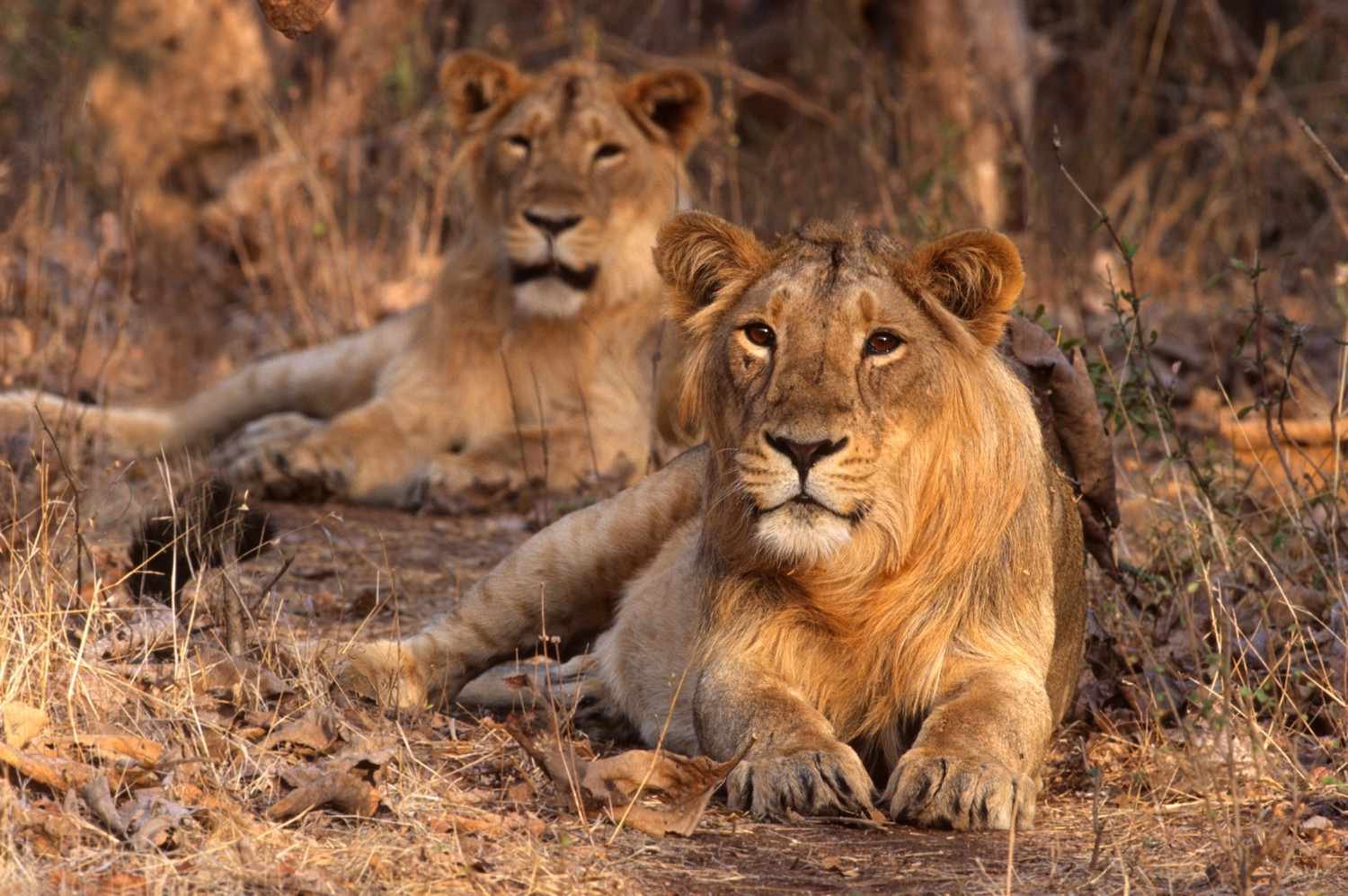
The rugged terrain of Sasan Gir in Gujarat holds a singular distinction on the global wildlife map as the last natural refuge of the majestic Asiatic lion (Panthera leo persica). A Gir safari tour offers an immersive journey through dry deciduous teak forests, rocky hills, and winding riverine valleys. Whether you are an avid birder, a wildlife photographer, or a traveler eager to observe apex predators in their undisturbed habitat, organizing your visit with precision ensures an exceptional wilderness experience.
Understanding the Sanctuary and Geography
Gir National Park and Wildlife Sanctuary spans over 1,412 square kilometers, characterized by arid scrubland, acacia groves, and perennial watercourses that support a diverse food chain. Beyond the celebrated Asiatic lion, the ecosystem sustains leopards, marsh crocodiles, chital, sambar, striped hyenas, and more than 300 resident and migratory bird species. Because conservation zones are strictly demarcated, tourist vehicular access is regulated across predefined routes to minimize disruption to indigenous fauna.
Best Time to Schedule Your Wildlife Safari
Planning your excursion depends largely on climate patterns and seasonal animal movements.
- Winter (November to February): Daytime temperatures hover pleasantly between 15°C and 25°C, making open-jeep drives comfortable. Wildlife activity peaks during mid-morning hours, and migratory birds populate surrounding reservoirs.
- Summer (March to May): While temperatures often exceed 40°C, the sparse dry vegetation enhances game visibility considerably. Predators regularly congregate around permanent water holes, making sightings frequent for dedicated safari goers.
- Monsoon Closure (June 16 to October 15): The core sanctuary remains closed to visitors throughout the southwest monsoon for wildlife breeding seasons and ecological regeneration.
Booking Your Permits and Choosing Safari Routes
Gir safaris operate under the administration of the Gujarat State Forest Department. Advance online registration is mandatory through the official government portal, as on-the-spot permits are heavily restricted to protect carrying capacity.
Two primary zones accommodate visitors:
- Gir Jungle Trail: The authentic deep-forest safari requiring advance reservation of exclusive open gypsies. A trained local forest tracker and driver accompany each vehicle. Routes are assigned randomly by software at the reception counter to distribute vehicular impact across the 13 forest trails.
- Devalia Safari Park (Gir Interpretation Zone): An enclosed eco-tourism zone located roughly 12 kilometers from Sasan Gir. This safari serves as a rapid alternative, offering guaranteed viewings of lions, leopards, and herbivores in fenced natural surroundings via enclosed mini-buses or gypsy drives.
Jeep safaris run in three shifts daily: early morning (6:00 AM to 9:00 AM), mid-morning (8:30 AM to 11:30 AM), and late afternoon (3:00 PM to 6:00 PM). The early morning and twilight shifts typically provide optimal lighting conditions and active game movement.
Essential Travel Logistics and Connectivity
Reaching Sasan Gir requires thoughtful transit planning across Gujarat’s transport networks:
- By Air: The closest domestic air hubs are Keshod Airport (approximately 50 km away) and Rajkot Airport (around 160 km away). For widespread domestic and international flight connections, Sardar Vallabhbhai Patel International Airport in Ahmedabad serves as the central entry corridor.
- By Rail: Junagadh and Veraval operate standard broad-gauge rail terminals with frequent connections to major Indian cities.
- By Road: Well-paved state highways connect Sasan Gir directly to Somnath, Junagadh, and Ahmedabad, facilitating scenic self-drive or chauffeur-driven road trips.
For travelers flying into the capital region before embarking southward into Saurashtra, securing accommodation at a premium 5 Star hotel in Gandhinagar provides an ideal base for acclimatization and corporate transit. After long hours of regional travel, sampling authentic multi-cuisine menus at reputable restaurants in Gandhinagar ensures that your journey begins on a restful, well-catered note.
Practical Safari Etiquette for Responsible Visitors
Responsible ecotourism safeguards the park’s biodiversity for generations to come. Keep the following practices in mind during every drive:
- Dress in Earth Tones: Wear muted shades of olive green, khaki, brown, and beige. Bright colors startle wildlife and alter their natural behaviors.
- Maintain Decorum: Avoid loud conversations, abrupt movements, and mobile phone rings inside the safari vehicle. Silence enables trackers to detect vital alarm calls from deer and langurs.
- Zero Littering: The forest is a strict no-plastic zone. Never discard wrappers, water bottles, or organic waste along forest tracks.
- Respect Distance Protocols: Never encourage your driver to steer off designated tracks or inch excessively close to resting prides. Professional forest guides possess intimate behavioral knowledge; respect their counsel throughout the route.