
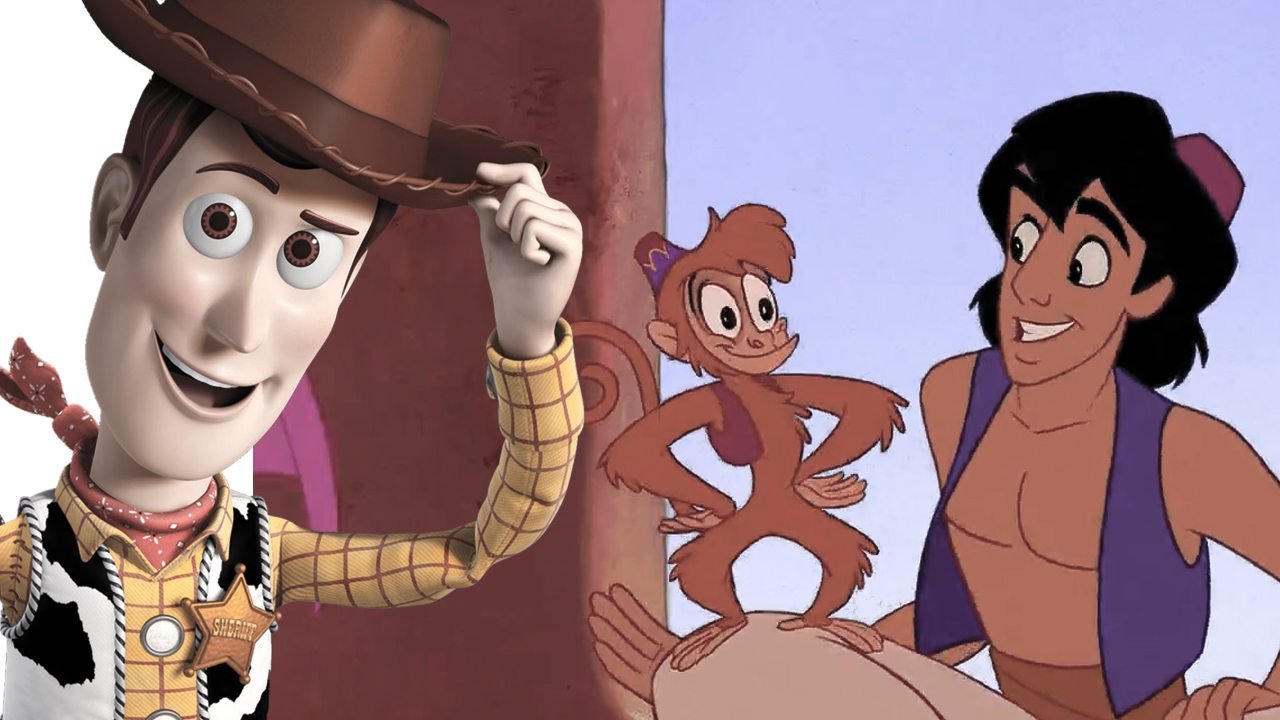
Choosing between 2D and 3D animation is one of the most critical decisions for aspiring creators, studio leads, and digital artists. Both formats command massive influence across cinema, gaming, streaming media, advertising, and e-learning. Understanding the technical demands, workflow mechanics, creative trade-offs, and career trajectories of each discipline allows you to align your creative ambitions with industry expectations.
Defining the Mediums: Core Concepts and Production Workflows
Two-dimensional animation operates along the horizontal (X) and vertical (Y) axes. Artists create movement through a sequence of flat drawings or rigged vector assets. The traditional method relies on hand-drawn frame-by-frame sketches, while modern production utilizes vector puppetry, digital cutouts, and skeletal deformation rigs in software suites like Adobe Animate, Toon Boom Harmony, and TVPaint.
Three-dimensional animation introduces the depth (Z) axis. Instead of drawing every frame from scratch, artists build digital puppets inside a virtual three-dimensional space using software such as Autodesk Maya, Blender, and 3ds Max. The workflow follows a pipeline: polygon modeling, UV unwrapping, texturing, rigging, keyframing or motion capture application, lighting, and final rendering. Once a 3D asset is rigged, it functions like a virtual marionette that can be viewed, lit, and manipulated from any angle without redrawing the character.
Visual Aesthetics and Storytelling Strengths
The visual language of 2D animation leans heavily toward artistic abstraction, stylized exaggeration, and expressive line work. It allows for graphic fluidity, squash-and-stretch principles executed with distinct hand-crafted charm, and unique visual identities seen in anime, graphic novels, and indie games.
In contrast, 3D animation excels at spatial consistency, physical realism, complex environmental lighting, and detailed textures. Because assets exist in true mathematical depth, 3D is the natural standard for cinematic visual effects, photorealistic simulations, AAA video games, and architectural visualization. It allows cameras to swoop dynamically through expansive environments with calculated focal lengths and depth-of-field effects.
Production Complexity, Timelines, and Costs
Production requirements differ significantly across both mediums:
- Asset Creation vs. Frame Generation: In 2D frame-by-frame production, initial setup is rapid, but animating complex actions requires redrawing assets continuously across thousands of frames. In 3D, the initial setup phase (modeling, texturing, and rigging) requires substantial upfront time and technical precision, but animating existing assets across multiple scenes becomes more reusable and efficient.
- Hardware and Rendering Demands: 2D pipelines demand standard graphics tablets and moderate computing power. 3D production demands high-performance GPUs, extensive RAM, and dedicated render engines (such as Arnold, V-Ray, or Unreal Engine) to calculate light bounces, sub-surface scattering, and particle physics.
- Revisions and Iteration: Modifying a camera angle in 2D often requires redrawing entire sequences. In 3D, camera trajectories, lighting setups, and surface shaders can be adjusted within the 3D viewport without rebuilding the character’s base performance.
Industry Demand, Career Pathways, and Skill Sets
Global entertainment, architectural design, gaming, medical visualization, and commercial marketing continue to expand hiring across both disciplines.
Pursuing 2D animation requires strong foundations in anatomy, gesture drawing, perspective, color theory, and classical timing. Common roles include storyboard artist, background painter, 2D character animator, clean-up artist, and motion designer.
Entering 3D production demands spatial reasoning, technical problem-solving, and mastery of digital rigging and lighting pipelines. Professionals often specialize as 3D modelers, character riggers, lighting TDs, look-development artists, character animators, and VFX compositors.
Students looking to establish industry-ready portfolios benefit from structured foundational training. Enrolling in the Top animation course in udaipur provides learners with comprehensive exposure to foundational art principles, standard software workflows, and portfolio mentorship tailored to current industry standards.
For creators aiming to merge high-end visual computing with cinematic narrative, pursuing a specialized VFX Film Making Degree course in Udaipur offers an immersive academic pathway covering advanced CGI integration, live-action compositing, green-screen pipelines, dynamic simulations, and studio production workflows.
Practical Decision Framework: Which Should You Choose?
Selecting the right medium depends on your project goals or career aspirations:
- Choose 2D Animation if: Your vision relies on illustrative styles, hand-drawn character charm, fast conceptual turnarounds, web-first serial content, or indie 2D game development.
- Choose 3D Animation if: Your focus centers on visual realism, cinematic world-building, interactive video game assets, motion capture integration, or complex visual effects for film and broadcast.
- Choose a Hybrid Approach if: You want to blend stylized 2D line aesthetics with 3D camera depth, a technique increasingly utilized in modern studio features to achieve unique visual signatures.
Both disciplines offer rewarding creative and professional opportunities. Grounding your journey in solid design principles, continuous practice, and professional mentorship will ensure you build a sustainable career in the animation and digital entertainment landscape.