
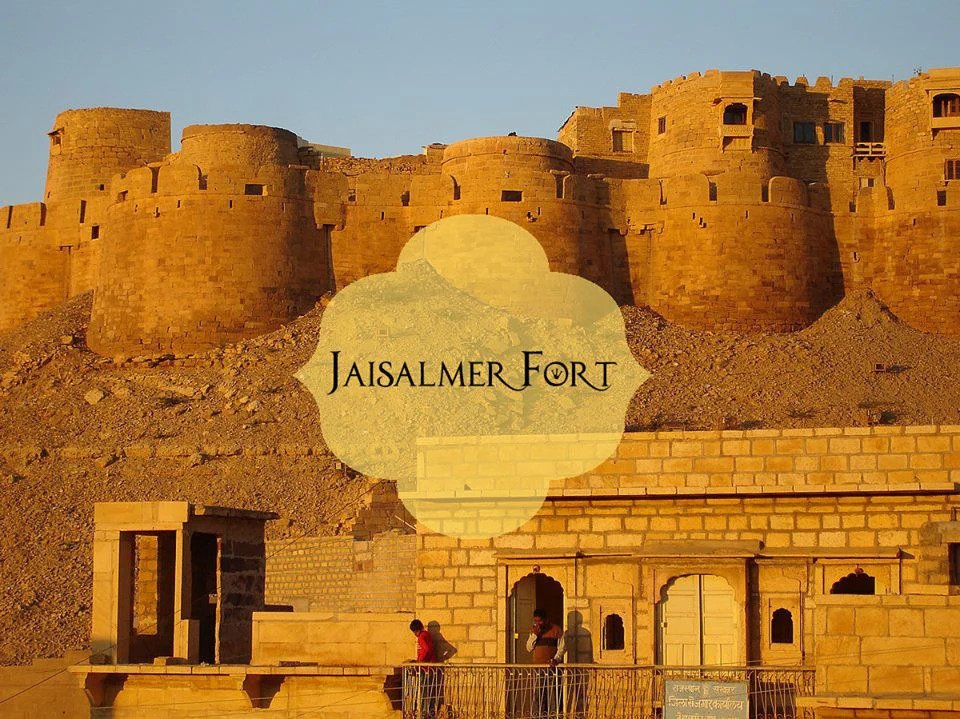
Planning a trip to the Golden City requires balancing medieval architecture with the untamed beauty of the Thar Desert. Having guided travelers through the arid terrains of western Rajasthan for years, our team at Magra Desert Camp has crafted this comprehensive 48-hour plan. This route is designed to maximize cultural immersion, architectural exploration, and authentic desert hospitality without rushing through the highlights.
Day 1: Exploring the Golden City’s Living Heritage
Morning: Jaisalmer Fort and the Ancient Havelis
Begin your first morning early at Sonar Qila (Jaisalmer Fort). Unlike most forts across India, this UNESCO World Heritage Site is a living citadel home to nearly a quarter of the old city’s population. Walking through its narrow alleys reveals centuries-old sandstone carvings, vibrant rooftop cafes, and seven interconnected 12th-century Jain Temples renowned for their intricate marble and stone filigree.
After descending from the fort’s main gates around mid-morning, take a short walk to Patwon Ki Haveli. This cluster of five separate mansions built by wealthy brocade merchants in the 19th century stands as the largest haveli complex in the region. The balconies (jharokhas) and lattice screens provide insight into the architectural ingenuity used by traditional craftsmen to keep interiors cool against the desert heat.
Afternoon: Culinary Traditions and Scenic Reservoirs
For lunch, sample traditional Rajasthani cuisine at a local restaurant within the old city walls. Classic staples like Dal Baati Churma, Ker Sangri, and Gatte Ki Sabzi offer distinct flavors derived from indigenous desert vegetation and time-tested preservation techniques.
Spend the early afternoon around Gadisar Lake, a historic man-made water reservoir constructed in the 14th century by Maharawal Gadsi Singh. Surrounded by shrines, chhatris (cenotaphs), and the ornate Tilon Ki Pol gateway, this reservoir historically served as the sole water source for the entire desert settlement. Renting a rowboat during the calmer afternoon hours provides a peaceful perspective of the sandstone architecture reflecting off the water.
Late Afternoon to Evening: Transition to the Thar Dunes
Depart the city center by 3:30 PM for a 45-minute drive toward the sweeping sand ridges of Sam or Kanoi. Transitioning from the stone walls of the city to an authentic desert camp in jaisalmer offers a stark, peaceful contrast.
Arrive before sunset to embark on a traditional camel trek or an open-top 4×4 dune-bashing excursion across the rippled sand dunes. As the sun dips below the horizon, the Thar Desert shifts from blazing gold to deep shades of amber and indigo.
Conclude Day 1 at the campsite around a central bonfire. Traditional Kalbelia and Manganiyar musicians perform regional folk ballads using instruments such as the kamaicha, dholak, and morchang. A buffet of hot Rajasthani dishes cooked with local spices finishes the night under clear, unpolluted desert skies.
Day 2: Desert Outposts, Abandoned Legends, and Night Sky Wonders
Morning: Sunrise Over the Dunes and Kuldhara Village
Wake up early to witness the sunrise over the rolling crests of the dunes. The morning air in the desert is crisp and clear, making it the ideal window for photography or a quiet walk across undisturbed sand.
After breakfast at camp, begin the morning circuit by visiting Kuldhara, located approximately 20 kilometers west of Jaisalmer. Established in the 13th century by Paliwal Brahmins, this village was abruptly abandoned overnight in the early 1800s due to dwindling water supplies and oppression by the local administration. Today, the Archaeological Survey of India preserves the stone ruins, offering visitors an atmospheric walk through well-planned ancient streets, abandoned courtyards, and standing temple walls.
Afternoon: War Memorial and Royal Cenotaphs
Head back toward the outskirts of Jaisalmer to explore the Jaisalmer War Museum along the military highway. Maintained by the Indian Army, this museum commemorates the valor of Indian soldiers during the 1965 and 1971 Indo-Pak conflicts, particularly detailing the historic Battle of Longewala. The outdoor exhibition displays captured military hardware, tanks, and fighter aircraft alongside informative documentary screenings.
Following a light lunch, proceed to Bada Bagh, situated six kilometers north of the town. This historical site houses cenotaphs dedicated to the Maharawals of Jaisalmer starting from Maharawal Jait Singh in the 16th century. Built atop a small hill overlooking an oasis, the domed structures showcase carved ceilings and historical inscriptions honoring royal lineage.
Evening: Glamping Comfort and Stargazing
Return to your accommodation for your final evening in the desert. Booking a spacious luxury tent in jaisalmer allows you to experience traditional desert life without sacrificing modern comfort, featuring handcrafted wooden furnishings, attached tiled bathrooms, and climate control.
Dine outdoors under the desert sky. Away from major urban centers, the Thar Desert provides exceptional celestial visibility. Spend your final hours identifying constellations and tracking the Milky Way across the horizon before resting ahead of your onward journey.
Practical Travel Tips for Jaisalmer
- Best Season: October to March offers pleasant daytime temperatures ranging between 20°C and 25°C, though winter desert nights can dip near freezing.
- Footwear: Pack durable, closed-toe walking shoes for rocky fort inclines and fine dune sand.
- Hydration: Desert air causes rapid moisture loss; carry insulated water bottles even during cooler winter months.
- Respect Local Culture: Dress modestly when visiting functioning religious sites such as the Jain Temples inside the fort.