
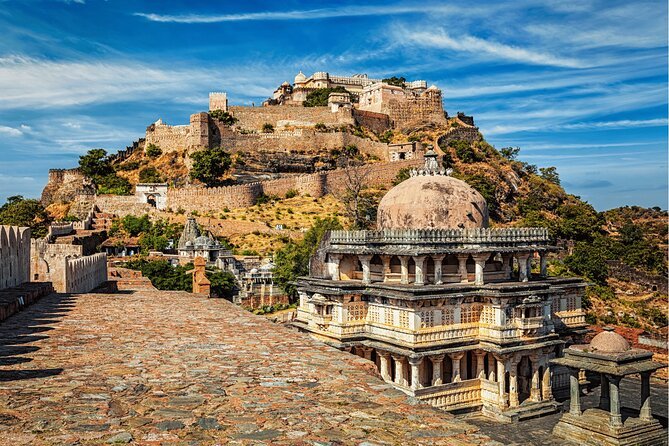
When the southwest monsoon arrives across Rajasthan between July and September, the rugged Aravalli range undergoes a stunning transformation. The arid landscape turns into a lush, emerald-green sanctuary covered in low-hanging clouds and rolling fog. Perched high in this mountain terrain stands Kumbhalgarh Fort—a UNESCO World Heritage Site boasting the second-longest continuous wall in the world—surrounded by the dense Kumbhalgarh Wildlife Sanctuary.
While a monsoon getaway to Mewar offers unmatched scenic beauty, it also brings distinct logistical challenges, such as winding ghat roads and slippery cobblestones. Weighing the pros and cons of visiting during the rainy season helps ensure a safe, comfortable, and well-planned road trip.
The Advantages of a Monsoon Visit
1. Breathtaking Mountain Panoramas and Greenery
The foremost highlight of visiting Kumbhalgarh during the rains is the visual spectacle. The dry deciduous forest awakens with seasonal streams, mossy hillsides, and cascading waterfalls along the route. Badal Mahal (the Palace of Clouds), located at the fort’s highest point, truly earns its name as mist drifts straight through the arched corridors, giving visitors the sensation of floating above the clouds.
2. Pleasant Weather and Cool Breezes
Unlike the blistering desert heat of summer, monsoon temperatures hover comfortably between 22°C and 30°C. The cool breeze makes exploring the sprawling fort complex far less exhausting than during peak sunny periods.
3. Fewer Crowds and Peaceful Exploration
Winter is peak tourist season across Rajasthan, often leading to crowded pathways and packed viewpoints. During the rains, foot traffic thins out significantly. You can explore ancient Jain and Hindu temples, walk the historic ramparts, and take unobstructed landscape photographs at your own pace.
4. Active Avian Life in the Sanctuary
Monsoon is an exceptional time for birdwatchers. Over 200 bird species—including grey junglefowl, peacocks, parakeets, and Indian pittas—thrive in the revitalized canopy. The scent of wet earth and the chorus of forest sounds create an immersive wilderness experience.
The Challenges to Keep in Mind
1. Slippery Ramparts and Stone Steps
Kumbhalgarh Fort is known for its steep inclines and stone paving. Rainwater mixed with algae makes the historic stone pathways quite slippery. Navigating the climb to Badal Mahal or walking along the ramparts requires cautious footing and shoes with deep tread.
2. Limited Sanctuary Safari Access
During heavy downpours, certain unpaved safari tracks inside the wildlife sanctuary can become waterlogged or muddy. The local forest department may periodically restrict or adjust core safari routes for safety and conservation reasons. Additionally, dense undergrowth makes spotting elusive predators like leopards and wolves slightly more challenging compared to the dry season.
3. Fog and Restricted Visibility on Mountain Ghats
The drive from Udaipur up to Kumbhalgarh covers approximately 85 kilometers through winding mountain passes. Sudden downpours and dense fog banks can drop visibility significantly. Sharp hairpins on rain-soaked asphalt demand seasoned driving skills and dependable, well-maintained vehicles.
4. Humidity and Sudden Showers
Monsoon weather in the hills is unpredictable. A clear morning can shift into a heavy downpour within minutes, potentially disrupting outdoor walking plans.
Practical Tips for Traveling from Udaipur
A successful monsoon trip depends heavily on route planning, timing, and local driving expertise.
- Choose Experienced Local Drivers: Navigating slick curves and foggy patches requires a driver familiar with the Mewar ghats. Reserving a reliable taxi in Udaipur guarantees comfortable travel without the stress of managing wet hill roads yourself.
- Book Dedicated Sightseeing Packages: If you are planning a same-day return trip or adding nearby stops like the Ranakpur Jain Temple, opting for a dedicated kumbhalgarh sightseeing taxi provides flexibility to adjust halts based on passing rain showers.
- Travel Together with Group Transport: For family gatherings or holiday groups traveling together, choosing to hire tempo traveller in Udaipur keeps everyone in a single vehicle, offering ample luggage space for rain gear and generous window views of the misty valleys.
- Footwear and Rain Gear: Carry compact umbrellas, water-resistant daypacks for cameras, and sturdy trekking shoes. Avoid flat-soled leather shoes or slippery sandals.
- Start Early in the Morning: Daylight hours provide clearer visibility on the roads. Leaving Udaipur by 7:30 AM allows you to reach the fort before peak midday mist and comfortably complete your sanctuary safari.
Atithi Cabs offers door-to-door transit across southern Rajasthan, pairing skilled chauffeurs with well-maintained fleets to ensure every road trip through the rainy hills remains secure and seamless.
The Verdict
Visiting Kumbhalgarh Fort and its surrounding wildlife sanctuary during the monsoon offers a unique perspective on Rajasthan’s diverse geography. While you must remain prepared for sudden showers, slippery walkways, and reduced safari access, the reward—mist-swirled battlements, vibrant valleys, and refreshing weather—far outweighs the seasonal hurdles. With practical packing and trusted road transport, a rainy-season journey to Kumbhalgarh delivers an unforgettable Mewar adventure.