
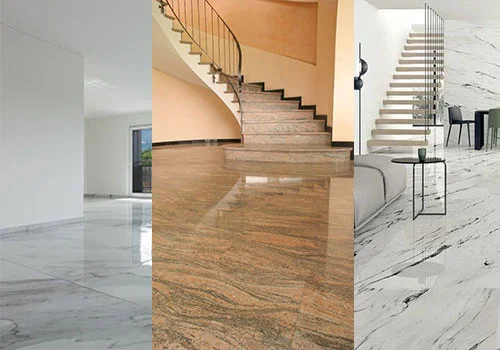
When it comes to designing an outdoor space that balances aesthetics with enduring performance, selecting the right flooring material is the most critical decision you will make. A terrace is constantly exposed to the elements—harsh sunlight, seasonal rain, and fluctuating temperatures—meaning the stone you choose must be as resilient as it is beautiful. As a leading granite supplier in india, we have observed that homeowners and architects often struggle to weigh the pros and cons of different natural stones. Whether you are looking for the sleek sophistication of marble, the rugged durability of granite, or the earthy charm of sandstone, understanding the technical and aesthetic properties of each is essential for a long-lasting investment.
The Case for Granite: Unmatched Durability for High-Traffic Terraces
Granite is widely regarded as the gold standard for outdoor flooring, primarily due to its incredible density and hardness. Formed from volcanic activity, this igneous rock is virtually impervious to scratches and heat. For a terrace that doubles as an entertainment zone or a high-traffic area, granite offers a level of “fit and forget” convenience that few other materials can match.
- Weather Resistance: Granite does not fade easily under UV rays, ensuring your terrace looks vibrant for decades.
- Low Porosity: Its dense structure means it absorbs very little water, making it resistant to stains and frost damage.
- Finish Options: For outdoor use, flamed or leathered finishes are recommended to provide necessary slip resistance. Because it can withstand heavy patio furniture and frequent cleaning without losing its structural integrity, many developers rely on a trusted marble supplier in india who also stocks premium granite to ensure they get the best of both worlds for diverse project requirements.
Marble: Timeless Luxury for Sheltered Outdoor Spaces
Marble is synonymous with luxury and has been used in monumental architecture for centuries. If your terrace is designed as a serene retreat or a semi-shaded Mediterranean-style lounge, marble provides a cool-to-the-touch surface and a luminous glow that is hard to replicate. However, because marble is a metamorphic rock composed mainly of calcium carbonate, it is softer and more porous than granite.
- Aesthetic Appeal: The unique veining patterns of marble create a one-of-a-kind floor that feels like a work of art.
- Temperature Regulation: Marble remains naturally cool, which is a significant advantage during blistering summer afternoons.
- Maintenance Needs: To protect marble on a terrace, it must be sealed professionally to prevent acidic rain or spills from etching the surface. While it requires more care, the sheer elegance of a marble floor can significantly increase the market value of a property. If you are sourcing materials for a high-end renovation, working with an experienced sand stone exporter in india ensures you understand how different stones interact with the specific climate of your region.
Sandstone: The Earthy Choice for Organic Design
For those who prefer a rustic, contemporary, or desert-inspired aesthetic, sandstone is the ideal candidate. Its sedimentary origins give it a distinct grainy texture and a palette of warm tans, deep reds, and soft greys. Sandstone is particularly popular for garden terraces and pool surrounds because of its natural slip-resistant surface.
- Natural Texture: The cleft surface of sandstone provides excellent grip, even when the floor is wet.
- Visual Warmth: It blends seamlessly with landscaping, plants, and wooden outdoor furniture.
- Cost-Effectiveness: Sandstone is often more budget-friendly for large-scale outdoor projects compared to premium marble or exotic granite. It is important to note that sandstone is more porous than granite. This means it can develop a natural patina over time, which many homeowners love for its “aged” look, though it does require periodic sealing to prevent deep-seated staining from organic debris like leaves or moss.
Technical Comparison: Maintenance and Longevity
When deciding between these three, you must consider the “Expertise, Authoritativeness, and Trustworthiness” of the supplier’s advice regarding long-term care. A terrace floor is an extension of your home’s personality, but it is also a functional surface.
- Granite: Requires minimal sealing. Occasional washing with pH-neutral soap is usually enough to keep it pristine.
- Marble: Requires high-grade impregnating sealers. It is best suited for covered terraces where it isn’t constantly hammered by direct rainfall.
- Sandstone: Needs to be cleaned of debris regularly to prevent moisture retention in its pores. It handles “rough use” better than marble but is less stain-resistant than granite.
Making the Final Decision Based on Your Lifestyle
Your choice should ultimately reflect how you intend to use the space. If your terrace is a place for large Sunday barbecues and kids running around, the resilience of granite is unbeatable. If it is a private balcony meant for morning yoga and tea, the sophisticated touch of marble might be worth the extra maintenance. For those creating a botanical sanctuary or a bohemian outdoor lounge, the organic feel of sandstone provides the perfect foundation. At Galaxy Exports, we pride ourselves on helping clients navigate these choices with transparency. By understanding the mineralogical makeup of each stone, you can choose a floor that doesn’t just look good on day one, but remains a source of pride for a lifetime. Whether you prioritize the indestructible nature of granite, the classic beauty of marble, or the natural grip of sandstone, ensure your stone is sourced from a partner who understands the nuances of Indian stone quality and global export standards.