
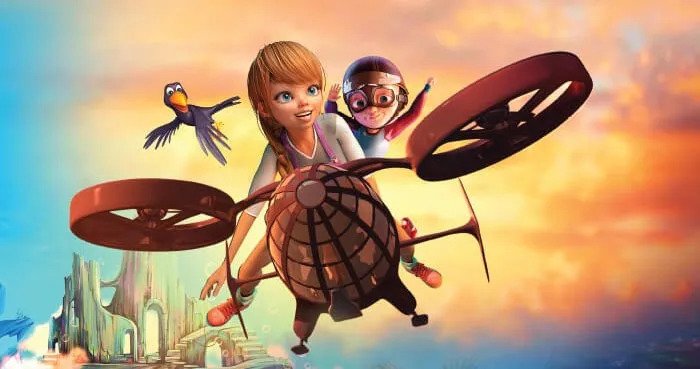
The animation and creative media landscape has undergone an extraordinary evolution over the past decade. From streaming entertainment platforms and AAA video game production to architectural visualization, medical simulation, and corporate digital branding, animated media plays an indispensable role across modern visual communication. For aspiring artists and multimedia specialists, navigating the fundamental divergence between traditional two-dimensional artwork and computer-generated three-dimensional design represents the critical initial step toward establishing a sustainable, high-growth professional vocation. Choosing the appropriate trajectory necessitates a thorough, technical understanding of production workflows, artistic requirements, software ecosystems, and market demand across regional and global entertainment hubs.
The Fundamentals of 2D and 3D Production Pipelines
To make an educated professional decision, one must evaluate the core mechanics of each animation medium.
Two-dimensional animation centers fundamentally on visual composition across an X and Y spatial axis. Traditionally developed through sequential hand-drawn cel illustration, contemporary two-dimensional production relies predominantly on digital vector styling, cut-out skeletal rigging, and raster brush execution. The artist focuses directly on frame-by-frame anatomical movement, fluid linework, expressive timing, and silhouette clarity. Dominant industry tools for this discipline include Toon Boom Harmony, Adobe Animate, TVPaint, and Adobe After Effects.
Conversely, three-dimensional animation introduces the Z-axis, creating volumetric depth, digital perspective, and spatial coordinates. Rather than redrawing sequential frames manually, three-dimensional artists manipulate virtual polygonal geometry inside an interactive digital workspace. The pipeline is substantially more segmented and technically intricate, encompassing polygonal 3D modeling, UV texture unwrapping, inverse kinematics rigging, skinning, keyframe dynamic posing, physics simulation, volumetric lighting, and final engine rendering. Key production standards across global studios rely upon platforms such as Autodesk Maya, Autodesk 3ds Max, Blender, Pixologic ZBrush, and Unreal Engine.
Professional Career Opportunities in 2D Animation
Despite the pervasive expansion of computer-generated media, the two-dimensional sector continues to thrive across distinct segments of digital entertainment, mobile gaming, and independent production. Contemporary visual culture increasingly values the distinctive, stylized aesthetic of hand-crafted visual design.
Key career specializations within this track include:
- Storyboard and Concept Artist: Translates conceptual scripts into dynamic visual sequences, defining camera compositions, character choreography, and narrative pacing before primary asset assembly begins.
- Character Rigger and 2D Animator: Implements skeletal bone systems and rotational deformation controllers into vector assets, allowing production studios to produce rapid, high-volume episodes for television broadcast and web distribution.
- Layout and Background Painter: Designs environmental perspectives, atmospheric tonal grading, and architectural settings tailored to complement character staging and lighting aesthetics.
- Motion Graphics Designer: Combines kinetic typography, abstract graphical assets, and corporate iconography for commercial advertisements, title sequences, UI interactions, and digital social media campaigns.
Leading studios frequently utilize these specialized skill sets for children’s animated series, advertising agencies, indie gaming development teams, and localized explainer video production houses.
High-Growth Career Opportunities in 3D Animation
The contemporary demand for three-dimensional digital artists extends significantly beyond traditional entertainment studios. While cinematic film and streaming series remain primary destinations, the interactive video game industry, metaverse virtualization, product design, engineering simulation, and virtual reality production require a continuous influx of specialized talent.
Prominent high-tier roles in the three-dimensional ecosystem include:
- 3D Character and Creature Animator: Focuses on realistic locomotion, facial performance capture translation, weight distribution, and authentic physical performance for digital characters.
- Environment and Asset Modeler: Constructs high-resolution hard-surface architectural assets, foliage, vehicles, and complex digital terrain systems optimized for real-time engines and offline renderers.
- Rigging Technical Director (TD): Develops muscle deformers, facial blendshapes, joint hierarchies, and mathematical constraints that enable animators to pose biological or mechanical entities seamlessly.
- Lighting and Look Development Artist: Configures digital light sources, global illumination passes, subsurface scattering shaders, and photorealistic ambient occlusion to integrate assets harmoniously.
- Visual Effects (VFX) Specialist: Simulates dynamic natural phenomena including pyroclastics, water fluidics, particulate debris, cloth dynamics, and atmospheric destruction using algorithmic calculation systems.
Securing high-tier placement across these disciplines requires structured mentorship, mastery over industry-standard digital tools, and the completion of a polished technical portfolio. Enrolling in a premier animation academy in Udaipur equips students with production-tested techniques, structured critique, and live project workflows directly aligned with global production studio benchmarks.
Industry Demand, Studio Standards, and Skill Evolution
When evaluating potential career trajectories, candidates must consider how global production standards interact with specialized curriculum frameworks. The modern media industry favors professionals who cultivate both broad foundational fundamentals and sharp domain expertise.
| Core Evaluation Parameter | 2D Animation Career Path | 3D Animation Career Path |
| Primary Artistic Focus | Line weight, illustrative draftsmanship, gesture, stylization | Spatial reasoning, physical weight dynamics, technical mechanics |
| Technical Curve | Moderate; emphasizes fundamental drawing and timing | High; requires deep software comprehension, nodes, and mechanics |
| Leading Production Sectors | Web series, mobile gaming, advertising, anime, UI motion | AAA games, feature films, VFX, VR/AR, medical, visualization |
| Software Mastery | Toon Boom Harmony, Adobe Animate, After Effects | Autodesk Maya, Blender, ZBrush, Substance Painter, Houdini |
For creators pursuing cinematic post-production and digital asset simulation, comprehensive training such as VFX Prime Courses in Udaipur provides dedicated laboratory training across compositing, motion tracking, dynamic effects, and modern digital asset pipelines.
Selecting the Right Specialization for Your Career Path
The decision between pursuing two-dimensional or three-dimensional animation should align with your natural aptitudes and creative aspirations. If your core interests lie in freehand sketching, stylized graphic storytelling, traditional draftsmanship, and rapid visual ideation, two-dimensional media offers a deeply expressive and direct outlet.
Alternatively, if you possess an affinity for three-dimensional spatial mechanics, computational software tools, cinematic lighting, and realistic dynamic simulations, the three-dimensional sector provides versatile opportunities across modern video games, cinema, and interactive applications.
Both pathways present robust, globally portable vocations for artists who dedicate the necessary time to master visual storytelling fundamentals, software proficiencies, and studio-grade asset optimization. Selecting a disciplined, accredited educational environment ensures you acquire the structured guidance, technical competency, and industry portfolio necessary to excel within the international creative economy.